
Integrity Family Dentist Blog

Dental Hygiene and Dental Crowns

June 16, 2025

Dental Hygiene and Dental Crowns from Integrity Family Dental in Denver, CO

Dental crowns restore teeth compromised by damage or decay. They can repair teeth’s appearance and function and last a long time. Though dental crowns can be highly beneficial for those who take good care of their teeth, improper dental care can damage these restorations, impact their effectiveness, and lead to decay and other oral health issues. The following are some key pieces of advice for those wanting to get the most out of their dental crowns.

Benefits of dental crowns

Dental crowns are durable and can last years with...

(Read More)

The Difference Between Dental Inlays and Dental Crowns

June 15, 2025

Dental Inlay Denver, CO

Dental inlays and crowns are two common restorative options for repairing damaged or decayed teeth. While both restore the tooth's functionality and appearance, they have different purposes and address different dental conditions. Both options are custom-made and provide durable solutions for restoring oral health and enhancing your smile. Understanding the differences between dental inlays and crowns is essential when determining the most appropriate treatment for your needs.

What are dental inlays?

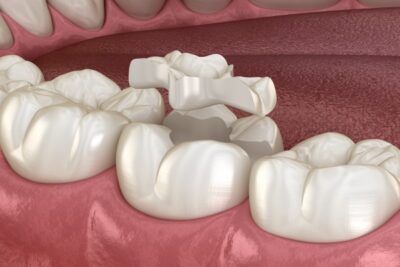
Dental inlays are a type of indirect restoration that repairs damage or decay within the cusps of teeth. They are custom-made from porcelain, composite resin, or gold to match the tooth's shape and color, ensuring a seamless and natural appearance.

Inlays are an excellent choice when a cavity is too large for a traditional filling but does not require the full coverage of a crown. They provide a conservative approach to tooth restoration, preserving as much of the natural tooth structure as possible.

The process for receiving a dental inlay typically involves two appointments. During the first visit, the dentist removes the decayed or damaged portion of the tooth and takes an impression of the prepared area. This impression is sent to a dental laboratory, where the inlay is crafted to fit precisely. At the second visit, the inlay is bonded to the tooth, restoring its function and appearance.

What are dental crowns?

Dental crowns, often called caps, are restorations that completely cover a damaged or weakened tooth. This procedure addresses extensive while also addressing a tooth that requires additional protection against further deterioration. Crowns are also commonly used after root canal therapy or to restore a tooth that has suffered significant wear or fracture.

Crowns can contain various materials, including porcelain, ceramic, metal, or a combination. Porcelain and ceramic crowns are popular because they mimic the appearance of natural teeth, while metal crowns are popular for their strength and durability.

The placement of a dental crown also involves two appointments. During the first visit, the dentist prepares the tooth by removing damaged or decayed material and shaping it to accommodate the crown. Then, an impression of the prepared tooth is taken and sent to a laboratory. A temporary crown is placed to protect the tooth until the final crown is ready. During the second visit, the permanent crown is cemented into place, fully restoring the tooth.

Key differences between dental inlays and crowns

While dental inlays and crowns restore teeth in a similar way, they differ in scope, application, and amount of tooth structure they address.

Extent of Damage

Dental Inlays are ideal for moderate damage confined to the tooth's biting surface and do not extend beyond the cusps. On the other hand, dental crowns are ideal for severe damage or decay that compromises the overall strength of the tooth, covering the entire visible portion above the gumline.

Preservation of Tooth Structure
Dental Inlays have a more conservative option, as they preserve the majority of the natural tooth structure. However, dental crowns require more extensive preparation, as a significant portion of the tooth is reshaped to fit the crown.

Appearance and Fit
Both inlays and crowns are custom-made to ensure a natural appearance and precise fit. Porcelain and ceramic materials blend seamlessly with the surrounding teeth.

Functionality
Dental Inlays provide strong support for the biting surface and are particularly effective for chewing. Dental crowns offer comprehensive protection and are better suited for teeth that endure high-stress levels or are at risk of further damage.

Cost
Dental crowns are typically more expensive than inlays due to their complexity and the amount of material required.

In some cases, a dental inlay may suffice to restore the tooth, offering a minimally invasive and cost-effective option. However, if the tooth’s structure is severely compromised, a dental crown may be necessary to provide the protection and support needed for long-term success.

Consult a dentist today

Understanding the differences between dental inlays and dental crowns helps patients make informed decisions about their oral health. While both options serve to restore damaged teeth, they are tailored to address specific levels of damage and functionality. Dental inlays provide a conservative approach for moderate decay, preserving the natural tooth structure, while dental crowns offer comprehensive coverage for more extensive damage.

During an appointment, we will go over each option and help you determine which one works best for your oral health and needs. Consulting with a cosmetic dentist ensures the best treatment choice for restoring oral health and achieving a confident smile. For more information, schedule a consultation visit today at Integrity Family Dental.

Check out what others are saying about our services on Yelp: Read our Yelp reviews.

Signs You May Need a Dental Crown

June 9, 2025

Signs You May Need a Dental Crown from Integrity Family Dental in Denver, CO

Your dentist can help determine if you need dental crowns. There are many reasons for getting these restorations. The main goal is always to restore the tooth and enhance its functions. Here are the signs you may need dental crowns soon.

There is a need for a dental bridge

Losing at least one tooth can cause more dental problems. It can lead to dental shifting, which can then cause dental loosening and more tooth loss. A dental bridge can replace one to four consecutive teeth. A traditional...

(Read More)

When Your Dentist May Recommend a Dental Bridge

June 1, 2025

When Your Dentist May Recommend a Dental Bridge from Integrity Family Dental in Denver, CO

Your dentist may recommend a dental bridge if your case needs it. Every patient has a different set of needs. Proper assessment allows the dentist to suggest the right dental replacement. Here are the details on when a dental bridge may become your dentist’s recommendation.

When one consumes tobacco

Dentists often encourage their patients to stop consuming tobacco. Following this advice can help patients achieve better oral and general health. Studies show that this habit impairs blood oxygenation and circulation. This will not be good when...

(Read More)

An Overview of the Full Mouth Reconstruction Treatment Process

June 1, 2025

Full Mouth Reconstruction Denver, CO

A full mouth reconstruction restores oral health, functionality, and aesthetics for patients with extensive dental issues. This process combines multiple restorative, cosmetic, and sometimes surgical procedures to address concerns such as missing teeth, decay, gum disease, or bite misalignment. No matter the issue, a full mouth reconstruction is tailored to the individual's unique needs, offering both practical and cosmetic benefits. Understanding this process will help patients make informed decisions about their treatment.

Initial consultation and assessment

During this first appointment, the dentist evaluates the patient's case and suggests possible treatments. Through visual exams, X-rays, photographs, and dental impressions, the dentist builds an understanding of the patient's unique dental needs. This visit is also an opportunity for an open conversation about the patient's goals and expectations. Factors such as medical history, daily habits, and financial considerations are thoughtfully discussed to create a practical and achievable plan.

Personalized treatment plan development

Next, the dentist will develop a customized plan outlining the procedures required to achieve the desired outcome and address all aspects of oral health. A full mouth reconstruction typically involves a combination of restorative and cosmetic treatments tailored to the patient's unique situation. These treatments may include the following:

  • Replacing missing or damaged teeth with dental crowns, bridges, or implants
  • Treating cavities or infections with fillings or root canals
  • Addressing alignment issues with orthodontic treatments like braces or clear aligners
  • Cosmetic treatments like veneers or teeth whitening to enhance the smile's appearance

The dentist will likely provide a timeline for each step, detailing how and when the procedures will be performed. Patients should ask questions and make sure they fully understand the process so they can make informed decisions before moving forward.

Addressing preparatory needs

Before beginning the primary treatments, the dentist may need to address underlying issues to ensure a stable foundation for the reconstruction. This often includes treating gum disease, removing severely damaged teeth, or performing bone grafting to support dental implants.

Periodontal therapy is commonly required if gum disease is present. Healthy gums are essential for supporting restorative work and preventing complications. Similarly, any remaining teeth beyond saving are removed during this stage to make room for new restorations.

Preparatory treatments may also involve correcting jaw alignment through orthodontics or oral surgery. These steps help create a solid base for the remaining procedures, improving the likelihood of long-term success.

Restorative treatments for functionality

Restorative treatments are central to full mouth reconstruction. These procedures focus on repairing and replacing damaged, decayed, or missing teeth and restoring function and structure. For example, dental crowns effectively strengthen weakened teeth, while bridges or implants fill gaps left by missing teeth. Implants, considered state-of-the-art in tooth replacment, are a particularly durable and natural-looking option for tooth replacement. Because they are anchored directly into the jawbone, they provide stability and help prevent bone loss in the area where the missing tooth is missing. Implant-supported bridges or dentures offer a comprehensive solution for patients with multiple missing teeth.

Cosmetic enhancements for aesthetic appeal

After the functional aspects of the treatment are complete, the focus shifts to cosmetic improvements. Veneers can address issues like discoloration, chips, or minor misalignments, creating a uniform and polished appearance. Bonding is another versatile option for repairing small imperfections and improving the overall look of the teeth. Professional whitening treatments can also brighten the smile, giving it a more youthful and attractive appearance.

Recovery and follow-up care

Recovery times vary depending on the treatments involved in the full mouth reconstruction. While minor procedures like fillings or bonding may require little to no downtime, more extensive work, such as implants or oral surgery, may necessitate a longer healing period.

The dentist provides detailed aftercare instructions tailored to the specific procedures performed. Proper oral hygiene is essential for maintaining results, including brushing, flossing, and using recommended dental products. Follow-up appointments are another necessary part of the process. These visits allow the dentist to monitor the patient's healing, ensure the success of the treatments, and make any necessary adjustments.

Full mouth reconstructions restore oral form and function

A full mouth reconstruction is a personalized and comprehensive treatment designed to restore oral health, functionality, and a smile's appearance. Through a combination of restorative, cosmetic, and preparatory procedures, you can achieve a healthy, confident smile that meets your unique needs. Call our office to learn more about full mouth reconstruction services or to schedule a consultation to improve your smile and overall quality of life.

Request an appointment here: https://www.integrityfamilydentist.com/blog/ or call Integrity Family Dental at (303) 337-3000 for an appointment in our Denver office.

Check out what others are saying about our dental services on Yelp: Full Mouth Reconstruction in Denver, CO.

Are Dental Bridges Permanent Restorations?

May 23, 2025

Are Dental Bridges Permanent Restorations? from Integrity Family Dental in Denver, CO

A dental bridge is not a permanent restoration despite the changes that the neighboring natural teeth will go through for the treatment. However, there are different types available, each one capable of meeting your dental needs. Your dentist can present both permanent and removable options. Here are the details on the impermanence of a dental bridge.

Permanent or removable restorations

This type of dental restoration can last for 10-30 years. Even so, research says that a dental bridge is not a permanent solution in cosmetic dentistry. There are factors...

(Read More)

The Long-Term Benefits of Seeing a Family Dentist

May 21, 2025

Family Dentist Denver, CO

Establishing a relationship with a family dentist offers numerous long-term benefits for maintaining oral health. By providing comprehensive care for patients of all ages, a family dentist ensures continuity of treatment, early detection of potential problems, and education that fosters a lifetime of healthy habits. Investing in regular visits to a family dentist is an effective way to support dental health and overall well-being.

Lifelong oral health maintenance

One of the most significant long-term benefits of visiting a family dentist is the consistency of care provided throughout a patient’s life. Family dentists are equipped to treat patients of all ages, from young children to seniors. This allows families to build lasting relationships with their dentist, leading to a deeper understanding of each patient’s unique needs and dental history.  

Children who begin seeing a family dentist at an early age are more likely to develop positive oral health habits that carry into adulthood. Regular dental visits during childhood provide an opportunity to monitor the development of teeth and jaws, address orthodontic concerns, and prevent dental anxiety. As patients age, the family dentist continues to provide preventive care, restorative treatments, and guidance tailored to each stage of life.  

Early detection of potential issues

A family dentist focuses on preventive care and early detection of dental problems, which can lead to significant long-term benefits. Regular checkups allow the dentist to identify issues such as cavities, gum disease, and enamel wear before they become serious concerns. Addressing problems early reduces the risk of costly and invasive treatments in the future.

Advanced diagnostic tools, such as digital X-rays and intraoral cameras, allow family dentists to uncover hidden issues, including tooth decay, bone loss, and infections. By detecting these conditions early, patients can receive prompt treatment that preserves their oral health and minimizes discomfort.  

Prevention of complex dental issues

Routine visits to a family dentist are essential for preventing complex dental problems. Professional cleanings remove plaque and tartar contributing to tooth decay and gum disease. Preventive treatments such as fluoride applications and dental sealants provide additional protection, particularly for children and adolescents.

Without regular dental care, minor issues may become more serious conditions requiring extensive treatments, such as root canals, extractions, or periodontal therapy. A family dentist helps patients avoid these complications by maintaining oral health through consistent care and education.  

Comprehensive care in one location

Family dentists offer a wide range of services, making it convenient for families to address their dental needs in one location. Preventive, restorative, and cosmetic treatments are often available under the same roof, allowing patients to receive comprehensive care without needing referrals to multiple specialists.

This approach simplifies dental care for families by accommodating children's and adults' needs. From routine cleanings and fillings to crowns, implants, and orthodontic evaluations, a family dentist provides services that meet the diverse requirements of patients at every stage of life.

Improved overall health

Oral health is closely linked to overall health, and regular visits to a family dentist can positively impact general well-being. Research has shown that poor oral health is associated with systemic conditions such as heart disease, diabetes, and respiratory problems. By addressing oral health concerns early, a family dentist helps reduce the risk of these health complications.

For instance, untreated gum disease has been linked to cardiovascular issues. Regular cleanings and periodontal care provided by a family dentist reduce inflammation and infection, promoting oral and systemic health. Additionally, education on proper oral hygiene habits supports long-term wellness.  

Long-term financial savings

Another important benefit of seeing a family dentist is the potential for long-term financial savings. Preventive care, such as cleanings and fluoride treatments, is far more cost-effective than treating advanced dental problems. Regular visits to a family dentist help avoid the need for expensive procedures by addressing issues early and maintaining healthy teeth and gums.

For example, filling a small cavity is less invasive and costly than treating a tooth infection or requiring a crown. Similarly, regular periodontal care can prevent advanced gum disease, which might otherwise necessitate surgery. Patients save money by investing in consistent care while preserving their oral health.

Visit a family dentist as a family

The long-term benefits of seeing a family dentist extend beyond oral health. From early detection of potential issues to customized care for all ages, a family dentist provides consistent and comprehensive services that support dental and overall well-being. Choosing a family dentist is an investment in oral health that benefits the entire family. For more information, schedule a consultation visit today at Integrity Family Dental.

To schedule a consultation, request an appointment on our website at https://www.integrityfamilydentist.com/blog/ or call Integrity Family Dental at (303) 337-3000 for an appointment in our Denver office.

Check out what others are saying about our dental services on Yelp: Family Dentist in Denver, CO.

What Are the Different Types of Dental Bridges

May 16, 2025

What Are the Different Types of Dental Bridges from Integrity Family Dental in Denver, CO

A dental bridge can fill your dental gap and restore your smile. Research shows that tooth loss is a common problem among adults. The dentist will discuss the different types of bridges with you on consultation day. Here are the different dental bridge types you should consider.

Maryland bonded bridge

There are no dental crowns necessary for this type of dental bridge. Instead, a metal framework supports itself. The dentist will stick or wrap a metal framework around the natural teeth. This treatment is ideal for...

(Read More)

How Dental Sealants Protect Your Teeth

May 15, 2025

Dental Sealants Denver, CO

Dental sealants are an effective method to protect your smile from cavities and decay. They offer a barrier that shields your teeth from harmful bacteria and plaque. This preventive treatment can help you maintain optimal oral health and prevent more serious dental issues in the future.

Dental sealants: what they are and how they work

Dental sealants are thin and plastic coatings that dentists apply to the chewing surfaces of a patient's molars and premolars. These back teeth have deep grooves and pits, making them more susceptible to decay. Even with regular brushing, these areas can be challenging to thoroughly clean, leaving them vulnerable to plaque accumulation.

Dental sealants create a physical barrier over the patient's teeth enamel. This barrier prevents food particles, bacteria, and acids from settling into the grooves and pits of molars and premolars. By protecting these hard-to-reach areas, the patient can reduce their risk of cavities.

Sealants are especially effective for children and teenagers. Their newly erupted permanent teeth are particularly prone to decay as they learn how to properly clean their entire mouth. However, adults without decay or fillings in their molars can also benefit from this preventive treatment. The protection offered by dental sealants is long-lasting and can endure up to five years before the patient may need the material reapplied.

Ideal candidates for dental sealants

Dental sealants are especially beneficial for children and teenagers. Newly erupted permanent molars are most vulnerable to decay. Applying dental sealants during this stage can provide young patients with the critical protection to keep their back teeth healthy.

Additionally, adults who are more prone to cavities or have deep grooves in their molars may benefit from dental sealants. However, it is important to remember that dental sealants cannot be applied to back teeth with pre-existing restorations, such as dental fillings or crowns. Those with a history of frequent cavities should ask their general dentist about this preventive treatment option.

The benefits of dental cavities

Prevents cavities

The primary benefit of dental sealants is their ability to prevent cavities. According to the Centers for Disease Control and Prevention (CDC), dental sealants can reduce the risk of decay in back molars by up to 80%. This level of protection is invaluable, particularly for young and adult patients who may struggle with maintaining consistent oral hygiene practices.

Cost-effective preventive care

Dental sealants are a cost-effective alternative to more extensive dental treatments, such as fillings, crowns, or root canals. Investing in sealants can save money and prevent discomfort associated with treating advanced tooth decay.

Quick and painless application process

The procedure for applying dental sealants is quick, simple, and entirely painless. It typically takes only a few minutes per tooth, making it an efficient option for patients of all ages.

Durability and longevity

While they do not last forever, dental sealants can withstand daily chewing and biting functions. They can last for several years with proper care. Regular dental check-ups ensure the sealants remain intact and effective.

Support for overall oral health

By reducing the risk of cavities, dental sealants contribute to better overall oral health. Fewer cavities mean fewer chances for complications such as oral infections, tooth loss, or gum disease.

How general dentists apply dental sealants

First, the dentist thoroughly cleans the chewing surfaces of the teeth to remove any food particles, plaque, or debris. This step ensures that the sealant adheres properly and provides the desired protection. Next, the dentist applies an acidic gel to the tooth surface, lightly covering the enamel and creating a slightly rough texture. This texture improves the bond between the sealant and the tooth.

After the gel is rinsed off and the tooth is dried, the dentist carefully applies the liquid sealant to the grooves and pits of the molar or premolar. The sealant settles into these areas, filling areas prone to plaque accumulation.

Finally, the dentist will use a curing light to harden the sealant. The light activates the sealant material, transforming it into a durable protective coating. Once hardened, the dentist will inspect the sealant to ensure it effectively covers the desired areas.

Learn more about dental sealants

Dental sealants are a simple yet highly effective method for protecting your teeth from cavities and decay. Are you looking to improve your overall oral health? The Integrity Family Dental team offers dental sealants in the Denver area. Call our office today to learn more about this popular preventive treatment method.

Request an appointment here: https://www.integrityfamilydentist.com/blog/ or call Integrity Family Dental at (303) 337-3000 for an appointment in our Denver office.

Check out what others are saying about our dental services on Yelp: Dental Sealants in Denver, CO.

When to Consider a Dental Bridge?

May 7, 2025

When to Consider a Dental Bridge? from Integrity Family Dental in Denver, CO

When it comes to replacing missing teeth, dental bridges are a popular and reliable option that offers versatility by restoring one to four missing teeth in a row. Along with restoring a smile by replacing missing teeth, a dental bridge offers multiple benefits to one’s oral health while addressing several issues simultaneously.

When is a dental bridge recommended?

Tooth loss

Tooth loss can occur for multiple reasons, such as trauma or treatment to prevent infection from spreading to other teeth. A tooth replacement can help address a...

(Read More)