
Integrity Family Dentist Blog

Restoring Dental Implants With Dental Crowns

July 30, 2025

Restoring Dental Implants With Dental Crowns from Integrity Family Dental in Denver, CO

Dental crowns are often combined with implants to replace missing teeth. Implants are metal posts that are placed in the jaw to replace lost teeth roots, and they serve as foundations for restorations like crowns, bridges, and dentures used to replace missing teeth.

Implants are commonly made with titanium, and they are meant to last the rest of a patient’s life once inserted into the jaw. However, the restorations placed on implants are not as durable as they are, so they will eventually need to be replaced.

Using...

(Read More)

What to Do if You Damage A Dental Filling

July 29, 2025

Dental Filling Denver, CO

While damaging a dental filling can be painful and problematic, it is also manageable with the right steps. A dental filling can restore the structure of a tooth after decay or minor damage. However, fillings can sometimes chip, crack, or even fall out due to daily wear, biting on hard foods, or unexpected trauma. Proper management can prevent further complications and ease discomfort when a dental filling is damaged.

Evaluate the extent of the damage

The first step to managing a damaged dental filling is assessing the extent of the damage. It may be useful to check if the filling is partially dislodged, completely missing, or visibly cracked. In many cases, patients will be able to feel the rough edges or sharp surfaces in the affected area. In cases where pain or sensitivity to hot, cold, or pressure is present, the tooth may be exposed, indicating that immediate care is necessary.

In cases where pain or sensitivity to hot, cold, or pressure is present, the tooth may be exposed, indicating that immediate care is necessary.
Patients should refrain from chewing on the side of the mouth where the dental filling is damaged to avoid aggravating the problem — this minimizes stress on the affected tooth, reducing the risk of additional breakage.

Keep the area clean and protected

When a dental filling is damaged, the tooth becomes more vulnerable to bacterial buildup, food particles, and possible infection. Rinsing the mouth with warm salt water helps cleanse the area, lowering the risk of bacteria settling in the exposed portion of the tooth. Patients can prepare a mild saltwater rinse by mixing half a teaspoon of salt in warm water. Swishing the solution gently around the affected tooth will help clean it while relieving sensitive gums.

Avoiding sugary foods, acidic drinks, or foods that can get trapped in the area of the damaged dental filling is also helpful. Sometimes, dental wax or a temporary dental repair kit can shield the area until professional care is received.

Manage pain and discomfort

Damage to a dental filling can sometimes lead to discomfort or heightened sensitivity. Over-the-counter pain relief options, such as acetaminophen or ibuprofen, can help manage mild pain or discomfort associated with a broken filling. Avoiding very hot, cold, or sugary foods and beverages prevents discomfort until the patient is able to seek professional dental care.

In some cases, desensitizing toothpaste can temporarily reduce the sensitivity around the damaged filling. It is essential to avoid placing aspirin or other pain-relief medications directly on the affected tooth or gums, as this can irritate the tissue and potentially worsen the discomfort.

Contact a general dentist promptly

Seeking prompt dental care is vital when a dental filling is damaged. A damaged filling leaves the tooth vulnerable to further decay, structural weakening, and infection. The affected tooth can be treated before complications develop by contacting a general dentist as soon as possible. A dentist will assess the tooth's condition and recommend the best course of action, which may involve a new filling, crown, or other restorative treatment, depending on the extent of the damage. It is important to inform the dental office of any specific symptoms, such as pain, swelling, or heightened sensitivity.

Know the common repair options

After evaluating the damaged dental filling, the dentist will determine the appropriate repair option. In many cases, replacing the filling may be sufficient to restore the tooth's structure and function. This involves removing any remaining filling material, cleaning the cavity, and placing a new filling. In cases where the tooth is weakened, or the damage is extensive, a general dentist may recommend a crown to provide added strength and protection. 

Prevent future damage to dental fillings

While dental fillings are durable, they are not indestructible. Patients can prevent future damage by avoiding hard foods or objects, such as ice, candies, and pens. A balanced diet low in acidic and sugary foods can also support the longevity of dental fillings and oral health. Regular dental check-ups allow a general dentist to monitor the condition of existing fillings, detect any signs of wear, and make repairs if necessary.

Consult a general dentist

A damaged dental filling may seem alarming, but with the right approach, the situation can be managed effectively. A general dentist can provide the necessary treatment to repair or replace the damaged filling, ensuring the tooth is protected and functional. With proper care and preventive measures, dental fillings can continue to serve their purpose and maintain a healthy, pain-free smile. For more information, schedule a consultation visit today at Integrity Family Dental.

To schedule a consultation, request an appointment on our website at https://www.integrityfamilydentist.com/blog/ or call Integrity Family Dental at (303) 337-3000 for an appointment in our Denver office.

Check out what others are saying about our dental services on Yelp: Composite Fillings in Denver, CO.

Dental Crowns: Frequently Asked Questions

July 24, 2025

Dental Crowns: Frequently Asked Questions from Integrity Family Dental in Denver, CO

Dental crowns are one of the most well-known dental restorations. Most people have some idea of what dental crowns are. However, if you have never had one and this is your first time getting one, you may have many questions about what to expect. Here are some frequently asked questions about dental crowns that will help familiarize you with this common restoration.

Frequently asked questions about dental crowns

What is a dental crown?

Dental crowns are tooth-shaped and custom-made caps that dentists use to restore teeth damaged by...

(Read More)

Dental Crowns vs. Dental Veneers

July 17, 2025

Dental Crowns vs. Dental Veneers from Integrity Family Dental in Denver, CO

Dental veneers or dental crowns may be viable solutions to improve your teeth’s appearance and functionality. These cosmetic dental treatments offer different approaches and benefits while addressing various dental issues. Discover which of these two transformative options is most suitable for you.

Dental veneers

Dental veneers are thin porcelain or composite resin shells that the dentist will custom-design to fit over the front surface of patients’ teeth. They are a popular choice for those looking to improve the appearance of their smile by addressing mild concerns of misalignment, gaps,...

(Read More)

Finding the Right Dentist Near Me: What to Look for in Quality Dental Care

July 15, 2025

Dentist Near Me Denver, CO

Many people start their search for a local dentist by typing "find a dentist near me" into the search box of their internet browser. However, finding a local dentist who provides high-quality care, feels comfortable, and meets your or your family's dental needs starts with knowing what to look for. Understanding the key features of quality dental care can simplify finding the right local dentist.

Convenient location and office hours

"Dentist near me" is a popular search term because location is typically the first thing an individual considers when seeking a new dentist. People need a dental office close to home or work. A dentist with a convenient location makes it easier to attend regular dental check-ups and cleanings. Open availability can be equally as important. Finding a dentist who offers appointment times that fit an individual's schedule is crucial. Availability in the evenings and on weekends is a plus.

Friendly and welcoming staff

Not only should the dentist be friendly and professional, but the office team members should also be welcoming. It helps to call the office to ensure the front desk team is caring and helpful. Patients should never feel rushed, and those who answer the phone should be courteous, professional, and enthusiastic about helping patients.

Clean and comfortable office

When visiting a dental office for the first time, look around to ensure the space is healthy and comfortable. Everything should be neat, organized, and clean. Relaxing and aesthetically pleasing waiting rooms and treatment areas also help patients feel at ease and safe. Choosing a dentist near me who keeps their office tidy shows they care about details and patient safety.

Experience and training

Selecting a dentist with the right training and experience is important. Dentists usually share their education and experience on their website or at their office. Look for a dentist who graduated from an accredited dental school and stays current with new dental treatments. Experienced dentists can handle many dental issues easily and provide high-quality care.

Dental services offered

Individuals should make sure the dentist they choose offers and is skilled in all the services they need. Basic services such as cleanings, fillings, and exams should always be available. However, some patients need other treatments like braces, dentures, and cosmetic dental treatments. Most dentists will list the services they offer on their website.

Reviews and recommendations

Online reviews and personal recommendations reveal a lot about a dentist. Many websites allow patients to share their experiences and opinions. Reading these reviews reveals how other patients feel about the dentist's office, staff, and care provided. Look for a dentist with a high number of favorable reviews and make a note of how the dentist responds to any unfavorable reviews.

Payment options and insurance

Dental care can sometimes be costly, so it is helpful to choose a dentist near me who offers clear payment options. People should make sure the dentist accepts their dental insurance plan or offers easy ways to pay, like payment plans or credit cards. A good dental office explains all fees clearly and helps people understand what insurance covers.

Emergency dental care

Since dental emergencies can happen at any time, it helps to find a dentist near me that offers emergency services. Whether one has sudden tooth pain or a broken tooth, a dentist who sees emergencies can quickly relieve pain and treat the problem. Having a reliable dentist nearby in emergencies brings peace of mind.

Family-friendly care

Those with children should seek a kid-friendly dentist near me. Look for offices offering family-friendly care, such as patient dentists who know how to comfort nervous kids. Special waiting room activities or gentle treatments help children feel calm during visits. Family dentists also teach children good dental habits from an early age, helping them keep healthy smiles for life.

Trust feelings

Individuals should pay attention to their feelings about the dentists they are considering. The right dentist should listen carefully, explain treatments clearly, and treat patients with respect. Feeling comfortable and trusting the dentist helps a patient feel confident in decisions related to their oral health.

Your smile deserves great care

Choosing the right dentist near me involves thinking about convenience, friendliness, cleanliness, experience, services offered, and your own feelings. By considering these important factors, you can select a dentist who meets your needs and cares deeply about your dental health. For more information on our services, call our team today.

Request an appointment here: https://www.integrityfamilydentist.com/blog/ or call Integrity Family Dental at (303) 337-3000 for an appointment in our Denver office.

Check out what others are saying about our dental services on Yelp: Find a Dentist in Denver, CO.

When Is a Dental Crown Required After a Root Canal?

July 9, 2025

When Is a Dental Crown Required After a Root Canal? from Integrity Family Dental in Denver, CO

Dental crowns may be the final touch after a root canal treatment. This therapy is your dentist’s effort to keep your teeth intact. It aims to remove the source of pain and infection. In some patients, extra tooth protection is necessary after a root canal. Here are the details about when dental crowns are necessary after root canal therapy.

What dental crowns are

Crowns or caps can help patients who need dental bridges or dental implants. These restorations can also rejuvenate teeth with severe...

(Read More)

A Comprehensive Guide to Receiving a Dental Crown

July 1, 2025

A Comprehensive Guide to Receiving a Dental Crown from Integrity Family Dental in Denver, CO

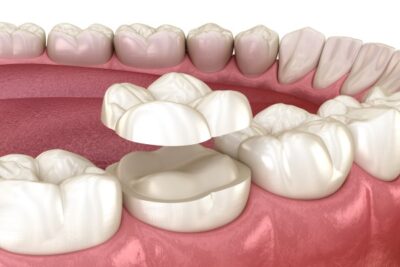
Dental crowns are one of the most popular and effective restorations dentists use to restore and protect damaged teeth. They are tooth-shaped caps that cover your natural, damaged tooth. While the procedure is performed in two appointments, it is relatively straightforward and involves little to no discomfort.

Types of dental crowns

Several types of dental crowns are available, each with advantages and disadvantages. However, here are three of the most common the dentist will consider:

Porcelain crowns

These dental crowns are the most popular choice...

(Read More)

The Importance of Deep Cleaning for Gum Health and Long-Term Oral Care

July 1, 2025

Deep Cleaning Denver, CO

Maintaining optimal oral health involves more than daily brushing and flossing. Deep cleaning plays a critical role in preserving gum health and preventing long-term complications such as periodontal disease. This advanced dental procedure goes beyond routine cleaning to target bacteria and plaque beneath the gumline, helping patients maintain a healthy mouth and a confident smile.

What is a deep cleaning?

Deep cleaning, also known as scaling and root planing, is a non-surgical procedure performed to treat the early stages of gum disease, specifically gingivitis and mild to moderate periodontitis. It involves two key steps: scaling and root planing. Scaling involves the removal of plaque and tartar from tooth surfaces, particularly below the gumline, where a regular toothbrush and floss cannot reach. During root planing, the dentist smooths the tooth roots to discourage bacteria buildup and allow the gums to reattach to the tooth structure.

This process typically requires more than one dental visit, depending on the severity of the condition and the depth of periodontal pockets.

Why deep cleanings are essential for gum health

The health of the gums directly impacts the integrity of the teeth and overall oral wellness. When plaque and tartar accumulate below the gumline, it creates an environment conducive to bacterial growth. This leads to inflammation, gum recession, and the eventual destruction of the supporting bone and tissue.

Without intervention, this progression can result in tooth mobility or loss. Deep cleaning interrupts this cycle by eliminating the source of infection and allowing the gums to begin healing.

Long-term benefits of deep cleanings

Patients who undergo deep cleaning experience several long-term advantages, including:

  • Stabilization of Gum Disease: Deep cleaning helps prevent the progression of periodontal disease, reducing the need for surgical treatment in the future.
  • Improved Breath: By removing bacteria and plaque, the procedure significantly decreases the risk of chronic bad breath.
  • Lower Risk of Systemic Conditions: Research has shown a connection between periodontal disease and systemic health issues such as diabetes, heart disease, and respiratory infections. Maintaining gum health may contribute to overall well-being.
  • Preservation of Natural Teeth: Removing harmful deposits and promoting gum reattachment supports tooth stability and helps prevent premature tooth loss.

Candidates for deep cleanings

Not every patient requires a deep cleaning. It is generally recommended for those who exhibit symptoms of early to moderate gum disease, including:

  • Red, swollen, or bleeding gums
  • Persistent bad breath
  • Gum recession or exposed tooth roots
  • Loose or shifting teeth
  • Deep periodontal pockets (greater than 4 mm)

A comprehensive dental examination, including X-rays and periodontal charting, can determine whether deep cleaning is necessary.

Aftercare and maintenance following a deep cleaning

After a deep cleaning, patients may experience temporary sensitivity and mild gum discomfort. Proper oral hygiene and routine dental visits are essential to maintain the benefits of treatment. Dentists may also recommend a maintenance cleaning schedule, typically every three to four months, to monitor gum health and prevent recurrence.

We advise all patients to brush and floss daily using gentle techniques, use an antimicrobial mouth rinse if prescribed, avoid tobacco products, which delay healing and increase infection risk, and schedule all follow-up appointments to assess healing and pocket depth.

The role of the dental professional

A general dentist plays a vital role in diagnosing periodontal issues and performing or referring for deep cleaning when appropriate. Early intervention can save patients from the need for more invasive procedures later on. Regular dental check-ups enable professionals to detect subtle changes in gum health and recommend the best course of action.

Deep cleaning is not merely a reactive treatment but a proactive measure that preserves oral health and enhances overall wellness. It offers an opportunity to restore the mouth's natural balance, reduce inflammation, and protect the smile for years to come.

Get an examination for a deep cleaning today

Deep cleaning is an essential component of periodontal care and a key strategy for preventing the advancement of gum disease. Addressing the issue at its source restores the health of the gums and safeguards the long-term function and aesthetics of the teeth. Patients who prioritize deep cleaning as part of their oral care routine are investing in their overall health and quality of life. Come in for an evaluation to see if you qualify for a deep cleaning. For more information or to schedule a consultation, call Integrity Family Dental.

To schedule a consultation, request an appointment on our website at https://www.integrityfamilydentist.com/blog/ or call Integrity Family Dental at (303) 337-3000 for an appointment in our Denver office.

Check out what others are saying about our dental services on Yelp: Dental Cleaning and Examinations in Denver, CO.

The Root Canal Process from A to Z

June 29, 2025

Root Canal Denver, CO

Dentists employ a root canal to save a badly damaged or infected tooth. When decay, injury, or infection affects the soft tissue inside a tooth, known as the pulp, a root canal is often the best way to fix it. This treatment relieves pain and protects the tooth from further damage. Knowing what to expect during a root canal can make the process less intimidating and help patients feel more comfortable about the procedure.

What is a root canal?

A root canal is a treatment that removes infected or damaged tissue from the inside of a tooth. The tooth's pulp, which is the center of the tooth, contains nerves, blood vessels, and connective tissue. Essentially, it is what helps keep the tooth "alive." If the pulp becomes inflamed or infected, it can result in severe pain, sensitivity, and even abscess formation. The goal of a root canal is to remove the damaged pulp, clean and disinfect the tooth's interior, and seal it to prevent future issues. This root canal process eliminates pain and preserves the natural tooth, preventing the need for extraction.

Addressing misconceptions about a root canal

Unfortunately, there are various misconceptions surrounding root canals. The most common is that root canals are painful, but this is a myth. Modern techniques and anesthetics make the procedure comfortable. In fact, a root canal often provides relief from the severe pain caused by an infected tooth.

Another misconception is that root canals weaken the tooth. With proper restoration and care, the treated tooth can last a lifetime. Regular dental visits and good oral hygiene are essential to keep the tooth and surrounding gums healthy.

Signs that indicate a root canal is necessary

According to Healthline.com, several symptoms may indicate the need for a root canal, such as persistent tooth pain, sensitivity to hot or cold temperatures, swelling around the gums, and tooth discoloration. Sometimes, a patient may not experience noticeable symptoms, but a dentist may identify the need for treatment during a routine examination or through X-rays.

The step-by-step root canal process

Seeking prompt dental care when these symptoms arise can prevent the problem from worsening and improve the chances of saving the tooth. Upon visiting the dentist, the following steps will occur:

Step 1: Diagnosis and consultation

The process begins with a thorough examination. The dentist evaluates the patient's symptoms, conducts a physical examination, and takes X-rays to assess the extent of the damage. If a root canal is deemed necessary, the dentist will explain the procedure and answer any questions the patient may have.

Step 2: Numbing the area

Before starting the procedure, the dentist administers a local anesthetic to numb the affected tooth and surrounding area. This ensures the patient remains comfortable throughout the treatment.

Step 3: Accessing the tooth

Once the area is numb, the dentist opens the tooth's crown to access the pulp chamber and root canals. This step is crucial for removing the infected or damaged pulp.

Step 4: Cleaning the canals

Using specialized tools, the dentist carefully removes the infected pulp and cleans the tooth's interior, including the root canals. This step eliminates bacteria and debris, reducing the risk of future infection.

Step 5: Shaping the canals

After cleaning, the dentist shapes the root canals to prepare them for filling. This involves widening and smoothing the canals to ensure the filling material fits securely and seals the space effectively.

Step 6: Filling the canals

The cleaned and shaped canals are filled with a biocompatible material, such as gutta-percha. This material seals the canals and prevents bacteria from re-entering. The opening in the tooth is then temporarily sealed until the final restoration is placed.

Step 7: Restoring the tooth

Note this step does not happen during the root canal appointment. At a follow-up appointment, the dentist places a permanent restoration, such as a crown, to protect and strengthen the treated tooth. The crown restores the tooth's shape, function, and appearance, allowing it to blend naturally with the surrounding teeth.

Recovery after a root canal

Most patients experience minimal discomfort following a root canal. Mild soreness or sensitivity is common but typically resolves within a few days. Over-the-counter pain relievers are usually sufficient to manage any discomfort. Further, following the dentist's instructions for post-procedure care is important, which may include avoiding hard or sticky foods until the final restoration appointment. Good oral hygiene practices, including regular brushing, flossing, and dental check-ups, are essential for maintaining the health of the treated tooth.

Save your tooth by consulting a Denver dentist

Addressing the problem promptly and following the dentist's recommendations for care allows patients to enjoy a restored tooth that functions and looks natural. For those experiencing symptoms like persistent tooth pain or sensitivity, consulting a dentist as soon as possible is the first step toward relief and recovery—contact Integrity Family Dental to schedule an appointment.

Request an appointment here: https://www.integrityfamilydentist.com/blog/ or call Integrity Family Dental at (303) 337-3000 for an appointment in our Denver office.

Check out what others are saying about our dental services on Yelp: Root Canal Treatment in Denver, CO.

Why You Need a Dental Crown

June 24, 2025

Why You Need a Dental Crown from Integrity Family Dental in Denver, CO

Dental crowns are a popular option for restoring a smile, but they offer more benefits than you may know. A dental crown is a customized, tooth-shaped cap placed over a damaged or compromised tooth to help its shape, size, appearance, and strength. Discover common signs indicating a dental crown is right for you.

Protection for a vulnerable or compromised tooth

A dental crown acts as a protective barrier for a tooth that is compromised in some way, whether by decay, infection, or trauma. Whether the tooth is cracked,...

(Read More)