
Integrity Family Dentist Blog

When To See an Emergency Dentist: Quick Solutions for Sudden Dental Problems

May 1, 2025

Emergency Dentist Denver, CO

An emergency dentist can provide tooth-saving care in emergency dental situations. However, it is common not to know what constitutes a dental emergency nor how to handle common situations while waiting for dental care. Understanding when to seek help from an emergency dentist and how to manage the situation before you get to their office can significantly affect the outcome. 

What constitutes a dental emergency?

An oral health problem that involves severe pain, injury, or infection and requires immediate dental attention is considered a dental emergency. For reference, emergency dentists typically handle the following problems:

  • Severe toothaches
  • Knocked-out teeth
  • Partially dislodged teeth
  • Badly cracked teeth 
  • Lost or damaged dental restorations

Visit the emergency room (ER) if the dental problem is life-threatening, such as if the patient cannot breathe due to rapid swelling or if the mouth is bleeding uncontrollably. On the other hand, minor chips, loose fillings, or mild toothaches, while uncomfortable, can usually be addressed during a regular appointment with a general dentist.

An emergency dentist’s quick solutions for dental problems

The goal of emergency dental care is to stabilize the condition and provide fast pain relief until follow-up care can be arranged. Some of the most common treatments from an emergency dentist include:

Temporary dental fillings

If a dental restoration, such as a filling, falls out or a tooth sustains damage, an emergency dentist can clean the area and place a temporary dental filling. This can protect the tooth until the patient is able to get a permanent dental restoration from their general dentist.

Tooth extractions

Saving the natural tooth is always preferred. However, there are times when a tooth is too damaged to be saved, such as due to extensive cracks, chips, or infection. Thus, an emergency extraction may be necessary to prevent further oral health problems.

Antibiotics

An emergency dentist may use antibiotics to control an infection. Therefore, this treatment is often used to address dental abscesses, a condition in which infection causes a pus-filled pocket to form in the teeth, gums, or underlying bone. In most cases, antibiotics are only the first step in controlling the infection and reducing inflammation. The dentist will also remove the pus or decay and restore the tooth.

Reimplantation of knocked-out teeth

If a tooth is knocked out and brought in quickly, an emergency dentist can attempt to reinsert it into the mouth. They will work to stabilize the tooth to encourage reattachment to the jawbone.

First aid solutions: What to do before you get to the dentist

Contact an emergency dentist immediately after a dental emergency occurs so that the patient can receive prompt guidance and treatment. That said, performing first aid at home before leaving for the dentist’s office is key to helping manage pain and increasing the chances of a successful outcome. Here is how to perform first aid for common dental emergencies:

Broken or chipped tooth

Collect any pieces of the tooth, rinse them with warm water, and store them in a sealed container with saliva, contact lens solution, or milk. Rinse the mouth with water to clean the area. Then, apply a cold compress to reduce inflammation.

Knocked-out tooth

Handle the knocked-out tooth at the top part (the crown). Avoid touching the tooth root. Rinse the tooth under a gentle stream of water, taking care not to scrub it. If possible, place the tooth back into its socket. Hold it in place with a clean cloth or gauze while heading to the emergency dentist.

However, if the tooth cannot be reinserted, store it in a sealed container with saliva, milk, or contact lens solution. Do not wait to see the emergency dentist. Reimplantation is most successful within 30 to 60 minutes of the tooth being knocked out.

Toothaches

Gargle with warm salt water to help reduce inflammation. Ask the emergency dentist over the phone if taking over-the-counter (OTC) pain medication to alleviate discomfort is okay. OTC medications are not always the best option for certain conditions. For example, ibuprofen can exacerbate bleeding.

Bleeding

Apply gentle pressure to the area with clean gauze or a damp cloth. A cold compress may help slow the bleeding and reduce swelling. If bleeding persists after 15 minutes, visit the ER rather than an emergency dentist. 

Get quick, effective solutions in a dental emergency

An emergency dentist provides prompt care to restore oral health, prevent further complications, and alleviate pain and discomfort. If you are looking for a general dentist who provides emergency dental care, reach out to our team at Integrity Family Dental. We help patients in Denver and nearby when they need it most.

Request an appointment here: https://www.integrityfamilydentist.com/blog/ or call Integrity Family Dental at (303) 337-3000 for an appointment in our Denver office.

Check out what others are saying about our dental services on Yelp: Emergency Dentist in Denver, CO.

What to Expect During a Dental Bridge Procedure

April 30, 2025

What to Expect During a Dental Bridge Procedure from Integrity Family Dental in Denver, CO

Dental bridges are an option in restorative dentistry that replace missing teeth and restore your smile. This procedure improves the look of your smile and restores function so you can chew and speak comfortably. If you are considering this treatment, knowing the steps involved can help you prepare and adjust your expectations accordingly.

An overview of the dental bridge procedure

Dental bridges are prosthetic devices that replace missing teeth by being anchored on existing teeth or implants. They “bridge” the gap, preventing other teeth from shifting,...

(Read More)

How to Get Approved for Dental Implants

April 29, 2025

How to Get Approved for Dental Implants from Integrity Family Dental in Denver, CO

The dental implant process is lengthy and intricate. Therefore, patients must receive a thorough examination before embarking on the dental implant process. The dentist will check for abnormalities, sufficient amounts of healthy gum tissue and jawbone, and specific medical or lifestyle concerns. Fortunately, if any of these issues are present, some services can improve the chance of receiving approval for dental implants.

Address infections or disease

If disease or infections are present on the gums, tongue, or cheeks, a dentist must address them before the dental implant...

(Read More)

Dental Bridge: Improving the Health and Appearance of Your Smile

April 24, 2025

Dental Bridge: Improving the Health and Appearance of Your Smile from Integrity Family Dental in Denver, CO

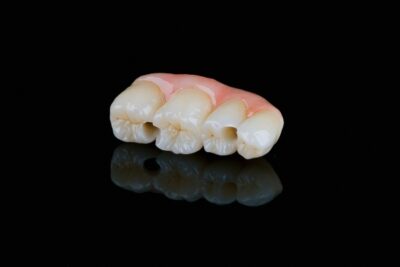
A dental bridge is a popular tooth replacement option for those missing one or several teeth. Missing teeth can cause problems that go beyond the aesthetic. Therefore, patients should replace teeth promptly to preserve the health and appearance of their smile. Fortunately, a dental bridge is an effective and natural-looking way to do that.

Types of dental bridges

A dental bridge can be made from metal, porcelain, composite resin, or a combination of materials and come in several forms. For example, the traditional dental...

(Read More)

A General Dentist Explains the Process of Getting Dental Implants

April 23, 2025

A General Dentist Explains the Process of Getting Dental Implants from Integrity Family Dental in Denver, CO

You can do research on dental implants on your own, but getting the facts from your dentist can give you more inside information. These restorations can replace dental roots and crowns. Each one can improve your smile and strengthen your bite. The following are facts that you can get from your general dentist when it comes to getting dental implants.

Preparing for the procedure

Implant surgery is an invasive process. The first step is to find the right dental care provider. A qualified dentist...

(Read More)

The Versatile Uses of Dental Crowns

April 23, 2025

Dental Crown Denver, CO

A dental crown, custom-made and designed to fit snugly over a tooth, addresses a range of dental concerns, from tooth replacement and protecting a weakened tooth to enhancing the appearance of your smile. Whether dealing with decay, damage, or cosmetic imperfections, this restoration offers a tailored solution. With its many applications, the dental crown is among the most versatile dental restorations.

What is a Dental Crown?

A dental crown is a custom-made cap placed over a tooth to restore its size, shape, strength, and appearance. It can be crafted from various materials, including porcelain, ceramic, metal, or a combination of these. The material used often depends on the tooth's location, the patient's preferences, and the dentist's recommendations. A general dentist can design dental crowns to blend seamlessly with the surrounding teeth, providing a natural look while ensuring durability and functionality.

Protecting Weakened or Damaged Teeth

A primary use of the dental crown is protecting a tooth weakened or damaged by extensive decay, cracks or fractures, or excessive wear and tear from issues like teeth grinding. A crown encases the entire visible portion of the tooth, shielding it from further damage and restoring its strength. For patients undergoing root canal therapy, a crown is often necessary to reinforce the tooth and prevent it from breaking.

Restoring Functionality

Teeth may not function well if their structural integrity is compromised. A dental crown can restore the functionality of a compromised tooth, reducing pain and allowing the patient to eat, speak, and smile confidently. Crowns are particularly beneficial for molars, which sustain the brunt of chewing forces. Therefore, materials like porcelain-fused-to-metal or zirconia are commonly used for molar crowns because they offer exceptional durability and resistance to wear.

Cosmetic Enhancement

In addition to function, dental crowns can improve the appearance of teeth by addressing a variety of cosmetic concerns, including:

  • Severely discolored teeth that do not respond to whitening treatments
  • Misshapen or uneven teeth
  • Gaps between teeth
  • Worn-down teeth that affect the overall symmetry of a smile

Porcelain and ceramic crowns are popular choices for cosmetic enhancements. These materials can be color-matched to the surrounding teeth for a seamless appearance. A well-crafted crown can transform a smile while maintaining a natural and lifelike look.

Replacing Missing Teeth

Dental crowns are instrumental in tooth replacement involving both dental bridges and dental implants.

Supporting Dental Bridges

A dental crown serves as an anchor for a dental bridge, a restoration designed to replace one or more missing teeth. The typical dental bridge is composed of a false tooth (to fill the gap left by the missing tooth) with a dental crown on either side. The crowns are placed on the teeth adjacent to the gap, securing the bridge.

Completing dental implant tooth replacement

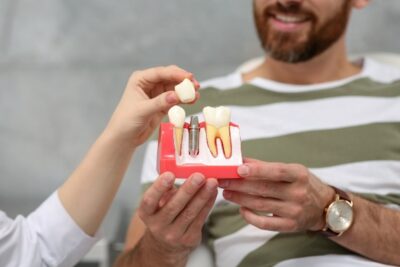
Dental crowns play a key role in dental implant treatments. After a titanium implant is placed into the jawbone, a crown is attached to the implant to replace the visible portion of the missing tooth. Implant-supported crowns provide a solution that looks, feels, and functions like a natural tooth. This approach offers durability, bone preservation, and a long-lasting result, making it an attractive tooth replacement option.

Improving Oral Health

Crowns contribute to overall oral health by addressing issues that could worsen if left untreated. For example, placing a crown on a damaged tooth prevents bacteria from entering cracks or fractures, reducing the risk of infection. Also, by restoring proper alignment and bite, crowns can alleviate strain on other teeth and reduce the risk of complications such as temporomandibular joint (TMJ) disorders.

The Process of Getting a Dental Crown

The typical process of getting a dental crown involves two appointments. During the first visit, a general dentist prepares the tooth by removing any damaged or decayed material and reshaping it to accommodate the crown. Impressions are taken to ensure a precise fit, and the dentist places a temporary crown to protect the tooth while the permanent crown is being made. Then, the permanent crown is bonded to the tooth at the second appointment. Then, the general dentist ensures the crown fits comfortably and matches the surrounding teeth in color and shape.

The dental crown: the versatile smile restoration option

A dental crown is an indispensable tool in modern dentistry, offering solutions for restorative and cosmetic concerns. Whether protecting a damaged tooth, enhancing your smile, or supporting a restoration, crowns provide reliable and long-lasting results. Call our team today to learn more about dental crowns and our many smile care services.

Request an appointment here: https://www.integrityfamilydentist.com/blog/ or call Integrity Family Dental at (303) 337-3000 for an appointment in our Denver office.

Check out what others are saying about our dental services on Yelp: Dental Crowns and Dental Bridges in Denver, CO.

The Ultimate Guide to Receiving Dental Implants

April 21, 2025

The Ultimate Guide to Receiving Dental Implants from Integrity Family Dental in Denver, CO

Dental implants can replace all or a few missing teeth. One of their most attractive benefits is that they can last a lifetime with proper care. However, the dental implant process can take longer than some people realize. Here is a breakdown of the process and what patients can expect.

Dental implant candidacy process

Before one can receive dental implants, the dentist must first determine if they are eligible. The dentist will order X-rays to assess the amount of healthy underlying jawbone and gum tissue. They will...

(Read More)

How Are Dental Bridges Placed?

April 16, 2025

How Are Dental Bridges Placed? from Integrity Family Dental in Denver, CO

Dental bridge placement will need two visits. The patient will go through a short process that will not be invasive at all. The result will improve the patient’s dental and general health. Knowing the placement process for this restoration can help prepare you for your next visit. Here is the placement process for a dental bridge.

Assessing the mouth

This happens before the placement of the dental bridge. In this visit, the dentist will examine the patient’s mouth. Scans and a physical dental exam will help map out the...

(Read More)

Restoring Your Smile With Dental Implants

April 16, 2025

Restoring Your Smile With Dental Implants from Integrity Family Dental in Denver, CO

Dental implants can replace missing teeth using a combination of screwlike metal posts and dental crowns, bridges, or dentures. Many consider implants state-of-the-art teeth replacement. Though dental implants can be an effective way to restore your smile, it is important to ensure they are right for you and understand how they work.

Overview of dental implants

Dental implants can support a single tooth, multiple teeth, and full teeth replacement. The traditional single dental implant consists of a screwlike metal post that is surgically implanted into the jaw bone....

(Read More)

What You Should Know Before Getting Dental Implants

April 14, 2025

What You Should Know Before Getting Dental Implants from Integrity Family Dental in Denver, CO

Dental implants offer a long-term solution for people missing one tooth or multiple teeth. This tooth replacement option can restore the function and appearance of your smile. While dental implants are an effective treatment option for many patients, there are several important factors to consider before undergoing this procedure. Here is what you should know before getting dental implants.

What are dental implants?

Dental implants are artificial tooth roots that a dentist surgically places in the jawbone. These small posts are typically made of titanium or...

(Read More)