
Integrity Family Dentist Blog

The Different Types of Dental Implants

April 10, 2025

The Different Types of Dental Implants from Integrity Family Dental in Denver, CO

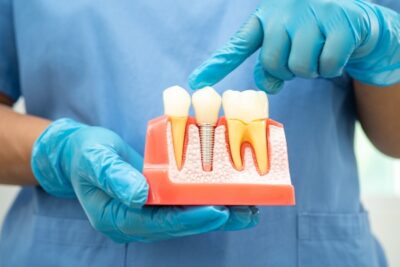
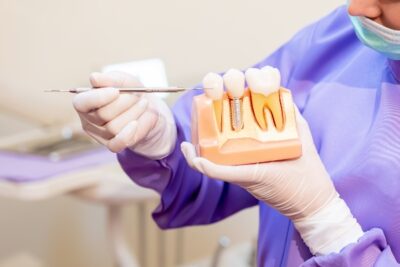
Dental implants are small titanium posts surgically implanted in the jawbone and act as artificial tooth roots. Dentists can use these posts to support replacement teeth such as crowns, dentures, or bridges, restoring the appearance and function of your smile. However, not all dental implants are created equal. There are several types of dental implants, all tailored to meet the specific needs and preferences of each patient.

Endosteal implants

Endosteal implants are the most common type of dental implant. They are surgically placed directly into the jawbone, providing...

(Read More)

Dental Bridge Repair From a General Dentist

April 9, 2025

Dental Bridge Repair From a General Dentist from Integrity Family Dental in Denver, CO

Dental bridges are long-lasting tooth replacements. However, like anything, they sometimes need to be repaired or replaced. A general dentist can install, maintain, and repair bridges to help patients get the most out of these effective dental restorations.

How dental bridges work

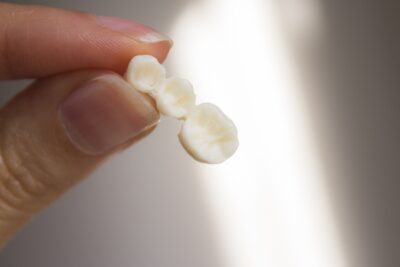
Before understanding dental bridge repair, it is important to understand how dental bridges work as a restorative treatment. The dental bridge is a false tooth (pontic) held in place by crowns on one or two supporting natural or artificial teeth (dental implants). When natural teeth...

(Read More)

The Potential Risks of Getting Dental Implants

April 7, 2025

The Potential Risks of Getting Dental Implants from Integrity Family Dental in Denver, CO

For many individuals with missing teeth, dental implants are an effective way to restore the appearance and function of their smile. However, like any medical procedure, there are potential risks and complications associated with getting dental implants. While these risks are relatively rare, it is important for patients to be aware of them before undergoing this tooth replacement option.

The potential risks of getting dental implants

Infection

Dental implant placement is a treatment that requires at least two surgical procedures. As with any surgical operation, there is...

(Read More)

Top Reasons To Consider Dental Implants

April 3, 2025

Top Reasons To Consider Dental Implants from Integrity Family Dental in Denver, CO

Dental implants are considered a leading teeth replacement option by both patients and dentists, and for good reason. They are the option that most closely mimics having natural teeth. Here are the top reasons those investigating tooth replacement options should seriously consider dental implants.

Dental implants explained

Tooth replacement with dental implants involves surgically implanting a screw-like metal post into the jawbone. After a period of healing and integration with the jawbone, the restoration is completed with the placement of an abutment and the final crown or dental...

(Read More)

Dental Bridge vs. Implants: Choosing the Right Tooth Replacement Option

April 1, 2025

Dental Bridge vs. Implants: Choosing the Right Tooth Replacement Option from Integrity Family Dental in Denver, CO

A dental bridge is one of the most common ways to replace a missing tooth without undergoing a lengthy or invasive procedure. Among the available tooth replacement procedures, general dentists often recommend a dental bridge because of the simplicity of its installment. However, other tooth replacement procedures comparable to dental bridges are available. A stellar example is a dental implant placement, another common way to replace a missing tooth. Continue reading to learn about tooth replacement via a dental bridge or implant.

A guide to...

(Read More)

Myths vs. Facts About Dental Anxiety

April 1, 2025

Dental Anxiety Denver, CO

Dental anxiety is a common issue that affects people of all ages. This term refers to the fear, anxiety, or stress of dental visits. There are several misconceptions about dental anxiety, leading to additional fear or avoidance of necessary dental care. By separating facts from fiction, patients can better understand this condition and go to dental appointments without fear.

Common myths about dental anxiety

Myth: Dental anxiety is rare

Dental anxiety is not a rare condition. According to the Cleaveland Clinic, a significant portion of the population experiences some degree of dental anxiety: Research suggests that as many as 36% of adults in the U.S. have a mild to moderate fear of dental treatment. Additionally, an estimated 12% of adults experience severe fear around dental care. This widespread prevalence demonstrates a common issue requiring understanding and support from general dentists and loved ones.

Myth: Only children get dental anxiety

Dental anxiety is not exclusive to children. While it is true that children often express fear of the dentist due to unfamiliar environments or negative past experiences, adults are equally affected. For some adults, dental anxiety persists from bad experiences that they experienced during childhood. Meanwhile, other adults develop it later in life due to traumatic dental procedures or heightened sensitivity to pain.

Myth: Avoiding dental appointments solves the issue

Avoiding dental visits due to anxiety can, in fact, worsen oral health issues. When a person skips regular checkups and cleanings, minor dental problems, such as cavities or gum inflammation, can progress into severe conditions that require more extensive and invasive treatment. This cycle can increase dental anxiety further, making professional care even more intimidating. Addressing dental anxiety in its early stages can prevent this downward spiral and ensure better long-term oral health.

Myth: Dental procedures are always painful

Modern dentistry offers advanced techniques and technologies to minimize discomfort during dental procedures. Local anesthesia, sedation dentistry, and the use of dental lasers have all made treatments less invasive and more comfortable. Today, general dentists also undergo specific training to recognize signs of dental anxiety in their patients and provide gentle care tailored to each patient’s needs.

Myth: Sedation dentistry is unsafe

Sedation dentistry is a safe and effective method for managing dental anxiety when performed by trained professionals. General dentists carefully assess each patient’s medical history, current health, and anxiety level to determine the most appropriate form of sedation. Common dental sedation options include nitrous oxide (laughing gas) and oral conscious sedation.

Myth: Patients cannot overcome dental anxiety

Dental anxiety is manageable with the right approach and support. Techniques such as cognitive behavioral therapy, mindfulness, and gradual exposure to dental settings can help individuals overcome their fears. Many dentists also prioritize creating a calming environment, offering anxious patients the ability to wear noise-canceling headphones, listen to soothing music, and maintain clear communication to ease dental anxiety. Seeking professional help and adopting coping strategies can significantly reduce dental anxiety over time.

Myth: Dental anxiety indicates weakness

Experiencing dental anxiety does not reflect weakness or a lack of resilience. Anxiety is a natural response to perceived threats, and dental anxiety often stems from genuine fears, such as past negative experiences, fear of pain, or feelings of helplessness in the dental chair. Recognizing dental anxiety as a legitimate condition is the first step in addressing it with compassion and understanding.

How to manage dental anxiety

For patients struggling with dental anxiety, there are several strategies that can make dental visits more manageable. These include:

  • Communicate with the dentist. Openly discussing fears and concerns with a dentist allows for tailored care. Many dentists are experienced in managing anxiety and can adjust their approach to ensure patient comfort.
  • Schedule morning appointments. Scheduling visits early in the day can reduce anticipatory anxiety by minimizing the time spent worrying about the appointment.
  • Practice relaxation techniques. Deep breathing exercises, meditation, and progressive muscle relaxation can help reduce stress before and during dental visits. Listening to music during checkups can also reduce feelings of dental anxiety.
  • Bring a supportive companion. Having a trusted friend or family member present during the appointment can provide reassurance and a sense of security.
  • Consider sedation options. Many dental offices offer sedation dentistry options that can make procedures more comfortable for those with severe dental anxiety.

Our team is here to support you

Dental anxiety is a common and manageable condition. There is no shame in being afraid of dental care. However, it is important to understand that avoiding dental appointments can continue or worsen the issue. The Integrity Family Dental team is here to make your next dental visit as easy as possible. Call our Denver office to learn more or to schedule a consultation.

Request an appointment here: https://www.integrityfamilydentist.com/blog/ or call Integrity Family Dental at (303) 337-3000 for an appointment in our Denver office.

Check out what others are saying about our dental services on Yelp: Dental Anxiety in Denver, CO.

What You Need to Know About Cavity Treatment

April 1, 2025

Composite Fillings Denver, CO

Cavity treatment is an important part of dental care. Cavities, also known as dental caries, occur when tooth enamel is damaged by plaque buildup and acidic attacks from harmful bacteria. Proper cavity treatment preserves the structure of the affected tooth and prevents future complications that can occur due to untreated tooth decay.

The causes of cavities

Cavities form due to a variety of factors. These include:

  • Poor oral hygiene
  • Overconsumption of sugary and acidic foods
  • Hardened dental plaque
  • Dry mouth
  • Family history of tooth decay
  • Gum recession

Plaque is a sticky film of bacteria. It can accumulate on the teeth and feed on sugars, producing acids that erode tooth enamel. Over time, this erosion can create holes in the enamel, leading to cavities. Without cavity treatment, the decay can progress to deeper layers of the tooth, potentially causing pain, infections, or tooth loss.

Recognizing the signs of a cavity

Identifying cavities in their early stages can help patients get the treatment they need. However, it is important to remember that most people do not begin to experience symptoms until tooth decay reaches beyond the enamel, infiltrating into the dentin and pulp. Common signs of cavities include:

  • Sensitivity to hot, cold, or sweet foods and drinks
  • Visible pits or holes on the surface of the tooth
  • Pain or discomfort when biting or chewing
  • Dark spots or discoloration on the enamel
  • Bad breath or bad taste in the mouth
  • Bleeding gums or other signs of gum disease
  • Facial swelling

Fortunately, regular dental checkups can help detect cavities before they require more extensive treatment.

Common cavity treatment options

Cavity treatment varies depending on the severity of the decay. The following are common treatment methods used by dental professionals.

Dental fillings

Fillings are the most common cavity treatment for minor to moderate decay. After removing the decayed portion of the tooth, the dentist will fill the cavity with materials such as composite resin, amalgam, or ceramic. This process restores the tooth's structure and prevents further damage from decay.

Dental crowns

For extensive decay that weakens the structure of the tooth, the dentist may recommend a dental crown. A crown is a custom-made cap placed over the damaged tooth to provide strength and protection. Crowns typically consist of porcelain, ceramic, or metal; the material that the dentist recommends will depend on the location of the missing tooth and patient preference. The lifespan of the dental crown will vary based on the material used and how well the patient takes care of it through their oral hygiene routine and compliance with regular dental checkups. However, they typically last between five to 15 years.

Root canal therapy

When the cavity reaches the tooth's inner pulp, the patient will likely need to undergo root canal therapy. This procedure involves the dentist removing the infected pulp, cleaning the empty space, and sealing it to prevent further damage and infection. Afterward, the dentist will place a crown to restore the tooth's structure and function.

Tooth extraction

Tooth extraction is a last resort. Dental professionals often reserve this procedure for cases where the decay is too advanced to save the tooth or more conservative options have failed. Once they remove the tooth, they can offer the patient restorative options like dental implants, bridges, or dentures to replace the missing tooth. Replacing the tooth can prevent the adjacent teeth from shifting to fill the space and jawbone deterioration from the lack of stimulation.

How to prevent the need for cavity treatment

While cavity treatment is effective, prevention is always the best approach. Adopting good oral hygiene practices can significantly reduce the risk of cavities. To maintain good oral health, people should brush their teeth at least twice daily using fluoride toothpaste. They should also floss once a day to remove plaque and food particles from between their teeth.

Additionally, individuals should limit their consumption of sugary and acidic foods and beverages, as they can contribute to dental issues. Drinking plenty of water is beneficial. It promotes saliva production, which helps neutralize harmful acids in the mouth.

Do not forget to schedule regular dental checkups and professional cleanings to keep the teeth and gums healthy. Dentists can detect the signs of cavities in their early stages and take a less invasive approach to cavity treatment. Moreover, preventive treatments like fluoride varnishes and dental sealants can help protect vulnerable teeth, especially for young patients and individuals who are prone to cavities.

Learn more about cavity treatment options

Integrity Family Dental offers cavity treatment in the Denver area. Are you ready to learn more about our options? Call our office to schedule an appointment.

Request an appointment here: https://www.integrityfamilydentist.com/blog/ or call Integrity Family Dental at (303) 337-3000 for an appointment in our Denver office.

Check out what others are saying about our dental services on Yelp: Composite Fillings in Denver, CO.

Exploring Different Types of Dental Implants and Their Benefits

March 30, 2025

The Benefits of Replacing Missing Teeth With Dental Implantsfrom Integrity Family Dental in Denver, CO

Wondering about dental implants? Read on to learn more. If you have experienced tooth loss and are exploring potential replacement options, then you have probably heard about dental implants. Dentists and patients are turning to tooth implants because it is provenly effective for replacing missing teeth. However, there are different implants, each of which is developed to suit each patient’s requirements and anatomical considerations.

Types of dental implants

When patients visit the general dentist, they will undergo a dental examination to know what options would work...

(Read More)

Dental Implants: A Permanent Alternative to Dentures

March 26, 2025

Dental Implants: A Permanent Alternative to Dentures from Integrity Family Dental in Denver, CO

Dental implants restore functionality to the smile, all while looking and feeling like natural teeth. They achieve this by fusing with the jawbone, creating a permanent, irremovable tooth replacement solution that does not slip or slide. This benefit makes them a great option for patients seeking an alternative to traditional dentures.

Understanding dental implants

Dental implants are metal screw-like posts inserted into the jawbone to replace the roots of the teeth. As the patient heals, the implants fuse with the jawbone. This keeps the jawbone engaged and...

(Read More)

Tooth Replacement Options: The Dental Bridge

March 25, 2025

Tooth Replacement Options: The Dental Bridge from Integrity Family Dental in Denver, CO

Losing a tooth can affect your appearance and oral health, causing misalignment, bone loss, and changes to your facial structure. Dental bridges are a popular tooth replacement option for people with one or more missing teeth. They offer a way to restore your smile and oral function.

Understanding dental bridges

A dental bridge is a fixed prosthetic device that replaces one or more missing teeth by bridging the gap between the remaining natural teeth. It contains two main components: the pontic (the artificial tooth or teeth) and the...

(Read More)