
Integrity Family Dentist Blog

The Different Types of Dental Implant Restorations

March 24, 2025

Implants Denver, CO

Dental implant restorations have transformed dentistry by offering a versatile and reliable solution for replacing missing teeth. This approach to smile restoration seamlessly combines durability and natural aesthetics, restoring oral function and appearance. Because implant restorations can support different types of dental prosthetics, they address a variety of needs while preserving oral health. Understanding the different types of implant restorations highlights their versatility and benefits for long-term oral care.

What is implant restoration?

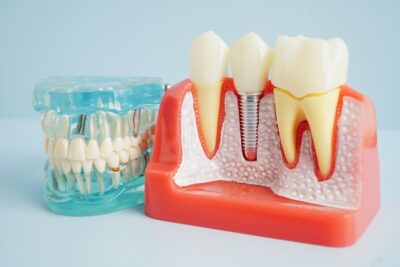
Implant restoration refers to the process of placing a prosthetic tooth or teeth onto a dental implant, a titanium post that a general dentist or periodontist surgically inserts into the jawbone. The implant is an artificial tooth root that creates a stable foundation for the rest of the smile restoration (e.g., a dental crown, bridge, or permanent denture). This process not only replaces missing teeth but also restores chewing ability, speech clarity, and the smile's overall appearance.

Types of dental implant restorations

Implant restorations mimic natural teeth in function and appearance. They are custom-made to fit each patient's unique needs and can replace a single tooth, multiple teeth, or an entire arch. Thus, there is more than one type. A general dentist or periodontist will recommend one of the following types of implant restorations based on the number of teeth they must replace, the condition of the surrounding teeth, and the patient's oral health.

Single-tooth implant restoration

As the name suggests, a single-tooth implant restoration replaces one missing tooth. This type of restoration consists of three parts: the implant, the abutment, and the crown. The dental provider surgically inserts the implant into the jawbone, with which it fuses over time. The abutment is the piece that connects the implant to the visible part of the restoration (in this case, the crown).

Single-tooth implant restorations are an effective choice for patients with a single missing tooth because they do not rely on adjacent teeth for support. Unlike traditional dental bridges, which require grinding down healthy teeth, single-tooth implants preserve the integrity of the surrounding teeth. They also help maintain bone density in the jaw by stimulating the bone through regular chewing and biting forces.

Implant-supported dental bridges

A general dentist or periodontist may recommend implant-supported dental bridges when multiple teeth in a row are missing. Instead of relying on natural teeth for support, this bridge type is anchored to dental implants. This option provides a more stable and durable solution to tooth loss than traditional bridges.

The dental provider strategically places implants in the jawbone for an implant-supported bridge to act as an anchor. The number of implants needed depends on the length of the bridge and the patient's oral anatomy. Once the implants have fused with the bone, the provider will attach the bridge to the implants via abutments.

Implant-supported dentures

Implant-supported dentures are a solution for patients missing all or most of their teeth in one or both arches. Unlike traditional dentures, which rest on the gums, implant-supported dentures are anchored to dental implants. This design provides greater stability, preventing the dentures from slipping or shifting when patients eat or speak.

There are two main types of implant-supported dentures: bar-retained and ball-retained. Bar-retained dentures use a thin metal bar attached to the implants, while ball-retained dentures use ball-shaped attachments that fit into sockets on the dentures. Both options offer a secure fit and improved functionality compared to traditional dentures.

All-on-4® implant restoration

The All-on-4 technique is a popular choice for patients requiring full-arch restoration. This method uses only four strategically placed implants to support an entire arch of teeth. The dental provider positions the implants at specific angles to maximize support and stability, even in patients with reduced bone density.

All-on-4 restorations offer several advantages, including a shorter treatment time and the ability to receive a full set of teeth on the same day as implant placement. This approach eliminates the need for bone grafting in many cases. Further, the prosthetic arch attached to the implants is custom-designed to match the patient's natural teeth in appearance and function.

Get more information about implant restorations

Implant restorations are not only functional but also designed to enhance the appearance of the smile. From single crowns to full-arch solutions, each restoration is crafted with attention to detail, ensuring a natural look and feel. If you are interested in restoring your smile with implants, contact our Denver team at Integrity Family Dental for more information.

Request an appointment here: https://www.integrityfamilydentist.com/blog/ or call Integrity Family Dental at (303) 337-3000 for an appointment in our Denver office.

Check out what others are saying about our dental services on Yelp: Dental Implant Restoration in Denver, CO.

What Exactly Are Dental Implants?

March 23, 2025

What Exactly Are Dental Implants? from Integrity Family Dental in Denver, CO

Dental implants secure artificial teeth in place, acting as replacement tooth roots. Thus, a general dentist can restore one tooth, several teeth, or even a full mouth of teeth. Since they look, feel, and function like real teeth, they also restore the appearance of a patient’s smile.

Dental implants, defined

Dental implants involve surgically implanting titanium screws into the jawbone to support artificial teeth. The goal is for them to fuse with the jawbone so the artificial teeth remain in the mouth without needing to be removed for oral...

(Read More)

Securely Replace Teeth with Dental Implants

March 19, 2025

Securely Replace Teeth with Dental Implants from Integrity Family Dental in Denver, CO

Dental implants are more secure than removable dentures. These restorations can make smiling, speaking, and eating more stable. Embarrassment and awkwardness will be non-existent once these restorations are in place. Here are the details on how dental implants can serve as solid dental replacements.

Why dental implants are secure

Osseointegration is the process behind the strength and stability of dental implants. The surgical procedure allows the dentist to place the titanium rods into the jaw and underneath the gums. These rods are biocompatible, which is why the body...

(Read More)

Who Is a Good Candidate for Dental Bridges?

March 17, 2025

Who Is a Good Candidate for Dental Bridges? from Integrity Family Dental in Denver, CO

A dental bridge is a restorative treatment that fills the gap left by a missing tooth. These restorations feel similar to natural teeth and prevent additional oral health issues from arising due to gaps in the smile. Qualifying for dental bridges is also easy. Most patients find they qualify, and if they do not, they can undergo a few procedures to strengthen their teeth and become candidates.

Determining candidacy for dental bridges

Number and location of missing teeth

The first step in determining whether a...

(Read More)

The Key Differences Between a General and Cosmetic Dentist

March 15, 2025

Cosmetic Dentistry Denver, CO

A cosmetic dentist focuses on the appearance of a patient’s smile, while a general addresses oral health and function. Though their priorities differ, both play important roles in maintaining the smile. Understanding these differences helps patients determine which type of care matches their needs.

What is a general dentist?

A general dentist is a primary care provider for oral health who diagnoses, treats, and helps prevent common dental issues. This dentist performs a range of services, including cleanings, fillings, root canals, and extractions. The goal of these procedures is to maintain or restore the function and health of the teeth and gums.

Additionally, these dentists educate patients about proper oral hygiene practices to help prevent tooth decay and gum disease. Regular visits to a general dentist are essential for maintaining overall oral health and catching potential problems early. Their services help ensure patients have healthy teeth and gums, which form the foundation for a beautiful smile.

What is a cosmetic dentist?

A cosmetic dentist focuses on improving the appearance of the overall smile. While they may also provide general dental care, they primarily offer aesthetic treatments. These treatments include teeth whitening, veneers, bonding, and smile makeovers.

Cosmetic dentists aim to address concerns such as discoloration, misalignment, gaps, and chipped or misshapen teeth. Though these treatments can aid in improving oral health, their primary goal is to improve smile aesthetics.

Key differences between a general and cosmetic dentist

Focus of care

Focus is the main difference between these two dentists. A general dentist prioritizes oral health, ensuring teeth and gums function properly. They address problems like cavities, gum disease, and tooth decay. A cosmetic dentist, on the other hand, emphasizes the smile’s appearance, working to create a smile that looks as good as it feels.

Types of services

General dentists provide preventive and restorative care. Services include dental cleanings, X-rays, fillings, crowns, and root canals. These procedures are necessary for maintaining oral health and preventing more serious problems.

Cosmetic dentists offer treatments aimed at enhancing appearance, including the following:

  • Teeth whitening. Brightening discolored teeth for a radiant smile
  • Veneers. Thin shells that cover teeth to correct imperfections
  • Dental bonding. Using tooth-colored resin to fix chips or gaps
  • Smile makeovers. Comprehensive plans to improve the smile’s appearance

Training and expertise

While both general and cosmetic dentists complete dental school, cosmetic dentists often pursue additional training in cosmetic dentistry. They may take advanced courses or certifications in areas like porcelain veneers and smile design. This additional training allows them to perform procedures that require a keen eye for detail and artistry.

Tools and technology

Cosmetic dentists frequently use advanced tools and technologies tailored for aesthetic procedures. For instance, digital smile design software can help patients visualize their results before treatment. General dentists also use modern technology, but their tools focus more on diagnostics and treatment for oral health conditions.

Patient goals

Patients visiting a general dentist seek to maintain oral health, alleviate pain, or repair damaged teeth. In contrast, those visiting a cosmetic dentist are often looking to improve how their smile looks.

When to see a general or cosmetic dentist

When to choose a general dentist

Patients should see a general dentist for routine checkups, cleanings, and treatment of common dental issues. They are the first point of contact for addressing tooth pain, cavities, or gum disease. Additionally, general dentists coordinate care with specialists when needed.

When to choose a cosmetic dentist

A cosmetic dentist caters to patients looking to improve the appearance of their smile. Whether whitening teeth, closing gaps, or correcting misalignment, a cosmetic dentist can create a personalized plan to achieve a patient’s cosmetic goals. For patients who want both functional and aesthetic improvements, cosmetic dentists often work closely with general dentists to deliver comprehensive care.

How general and cosmetic dentists work together

In many cases, general and cosmetic dentists collaborate to ensure patients receive the best care possible. For example, a general dentist may address oral health issues like cavities or gum disease before a cosmetic dentist enhances the smile with veneers or whitening. This partnership ensures that patients achieve both healthy and beautiful results. Also, many general dentists offer various cosmetic services to their patients in addition to preventive and restorative dental care.

Finding the right dentist for your needs

Knowing how cosmetic and general dentistry differ helps patients choose the right provider for their needs. By working together, both types of dentists play an important role in helping patients achieve their dental goals. Call today to learn more about our general and cosmetic dental services.

Request an appointment here: https://www.integrityfamilydentist.com/blog/ or call Integrity Family Dental at (303) 337-3000 for an appointment in our Denver office.

Check out what others are saying about our dental services on Yelp: Cosmetic Dentist in Denver, CO.

What to Expect When Receiving Dental Implants

March 14, 2025

What to Expect When Receiving Dental Implants from Integrity Family Dental in Denver, CO

Approval for dental implants puts you one step closer to restoring a complete, healthy smile. Dental implants can restore both the appearance and functionality of a full set of teeth. This way, patients can enjoy a full set of teeth along with a smile they enjoy showing off. The process is somewhat lengthy, so knowing what to expect helps you better prepare.

The first appointment

Due to the structure of dental implants, the process requires multiple appointments and two surgeries. The first involves inserting the base or...

(Read More)

Pros and Cons of Dental Implants

March 12, 2025

Pros and Cons of Dental Implants from Integrity Family Dental in Denver, CO

Dental implants have become widely popular as a natural-looking tooth replacement solution. Not only do implants restore a patient’s full smile, but they also keep the jawbone engaged to prevent it from shrinking. However, they must be surgically implanted, which can bring some risks. Dive deeper into the pros and cons of dental implants to discover whether they are a good fit for you.

But what are dental implants?

First, to understand the pros of dental implants, it is important to understand what they are and how they...

(Read More)

How a Dental Bridge Can Restore Your Smile

March 10, 2025

How a Dental Bridge Can Restore Your Smile from Integrity Family Dental in Denver, CO

A dental bridge is a tooth replacement option designed to fill in the gaps in your smile caused by missing teeth. Dental bridges restore the basic functions of biting and speech as well as the visual appeal of your smile. This guide explains the dental bridge procedure and how it works to replace lost teeth.

An overview of dental bridges

Dental bridges are a key element in restorative dentistry and a solution for replacing missing teeth. The prosthetics restore the full smile appearance while preserving the...

(Read More)

5 FAQs About Dental Implants

March 7, 2025

5 FAQs About Dental Implants from Integrity Family Dental in Denver, CO

Getting dental implants is a major decision. It is an invasive procedure that places titanium rods in your jawbone. The healing time will take months, but the result will be worth the wait. Understanding the process will allow you to prepare well for your procedure. Here are some FAQs about dental implants that you can ask your dentist on your next visit.

1. What are the benefits of dental implants?

Research reveals that dental implants are the gold standard in dental replacements. The procedure provides restorations that appear, function,...

(Read More)

Who Is a Candidate for Dental Implants?

March 4, 2025

Who Is a Candidate for Dental Implants? from Integrity Family Dental in Denver, CO

Dental implants are the preferred tooth replacement for many patients and dentists. Though they have many advantages, one must be a good candidate to enjoy their benefits. Here is a closer look at dental implants and what makes someone a good candidate for them.

About dental implants

A dental implant is a small screwlike metal post that a dentist surgically implants in the patient’s jawbone. After healing and the implant’s integration with the jawbone, the dentist will place an attachment called an abutment. Once the mouth heals,...

(Read More)