
Integrity Family Dentist Blog

Exploring the Various Types of Dental Bridges

March 2, 2025

Exploring the Various Types of Dental Bridges from Integrity Family Dental in Denver, CO

Dental bridges are an effective option for people missing teeth due to trauma, infection, or decay. They can prevent the teeth from shifting, a common side effect of missing teeth. They also restore normal oral function and appearance. Here are a few types of dental bridges a dentist might consider.

Traditional dental bridge

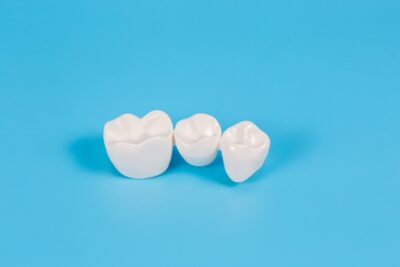
A traditional dental bridge is the most common the dentist employs. The design consists of two dental crowns on either side of a pontic or false tooth. It is custom-made and often requires two...

(Read More)

How a Dental Bridge Can Restore Your Smile

March 1, 2025

Dental Bridges Denver, CO

A dental bridge is a reliable, effective solution for tooth loss, as it offers functional and aesthetic benefits. This dental restoration helps improve chewing, speech, and overall oral health while maintaining the smile’s natural structure. Patients interested in bridges as tooth replacements can benefit from learning more about their basics, placement process, and long-term care and maintenance.

The basics of dental bridges

A general dentist may recommend a dental bridge if one tooth or several teeth in a row must be replaced. This dental restoration bridges the gap created by tooth loss, anchoring the replacement tooth (pontic) to the surrounding natural teeth or dental implants. There are several types of bridges:

  • Traditional dental bridges. This type of bridge is anchored by two dental crowns cemented onto adjacent teeth on either side of the gap.
  • Cantilever bridges. This bridge type relies on only one crown cemented on one adjacent natural tooth.
  • Maryland bridges. Also known as a resin-bonded bridge, this type uses a metal or porcelain framework attached to the back of adjacent teeth.
  • Implant-supported bridges. These bridges rely on crowns cemented to dental implants (rather than natural teeth) for support.

A dentist can assess the mouth and recommend a bridge type tailored to the patient’s specific needs. They will work to find a tooth replacement that restores the smile effectively and efficiently.

Key benefits of dental bridges

Dental bridges are a popular choice for tooth replacement due to their many benefits. The most significant benefit of dental bridges is restoring smile function. Missing teeth can make chewing difficult and uneven, potentially leading to digestive issues or additional wear on the remaining teeth. A bridge restores the ability to chew properly and evenly.

Bridges also play an essential role in maintaining oral health. Adjacent teeth are likely to shift into the empty space left by a missing tooth, which causes alignment issues and bite problems. A bridge prevents this shifting by preserving the natural structure of the dental arch. It can also restore natural speech patterns, as missing teeth often cause pronunciation challenges.

Another major benefit of bridges is that they restore the smile's appearance. Missing teeth leave gaps in the smile, which can impact self-confidence. Fortunately, bridges blend seamlessly with natural teeth, enhancing the overall look of a smile.

The dental bridge placement process

Typically, the process of receiving a dental bridge involves multiple steps to ensure a precise fit and long-lasting results. It begins with an initial consultation, during which the general dentist examines the teeth and gums and discusses treatment options. Imaging, such as X-rays or digital scans, can give a clearer picture of the oral structure and help determine the best approach.

In cases where a traditional or cantilever bridge is necessary, the dentist must prepare the adjacent teeth to support the dental crowns. The dentist will reshape the teeth to accommodate the bridge. They will then take impressions or digital scans to create a custom bridge that matches the size, shape, and color of the natural teeth.

A dentist may place a temporary bridge while the permanent restoration is being fabricated in an off-site dental lab. Once the custom bridge is ready, the patient can return to the dental office. Patients will have a chance to look at the bridge before the dentist permanently bonds it in place.

The process behind implant-supported bridges

The process is slightly different for implant-supported bridges. The patient will need to undergo oral surgery to have the implants placed. They will then need to wait several months for the implants to fuse with the jawbone. Once this occurs, the general dentist can place the bridge.

Caring for a dental bridge: Tips for longevity 

Proper care is essential to ensure the durability and effectiveness of a dental bridge. Daily oral hygiene practices, such as brushing and flossing, help keep the teeth and bridge clean. Special flossing tools, such as floss threaders, can be used to clean underneath the bridge effectively.

Routine dental checkups allow a general dentist to monitor the bridge and ensure it remains secure and functional. During these checkups, a dental hygienist will also remove plaque and tartar buildup that may accumulate around the bridge and adjacent teeth. This helps promote long-term oral health and longevity of the bridge.

Restore your smile with a dental bridge

Dental bridges effectively restore the smile to its former beauty and functionality. If you have lost a tooth or several teeth, reach out to our team at Integrity Family Dental to learn more about bridges. A general dentist can determine candidacy during an appointment.

Request an appointment here: https://www.integrityfamilydentist.com/blog/ or call Integrity Family Dental at (303) 337-3000 for an appointment in our Denver office.

Check out what others are saying about our dental services on Yelp: Dental Bridges in Denver, CO.

7 Things to Know About Dental Implants

February 26, 2025

7 Things to Know About Dental Implants from Integrity Family Dental in Denver, CO

Dental implants are available to provide permanent restoration to missing teeth. Though a favorite among dental professionals and patients, there are a few things to consider before choosing these smile restoratives.

Seven things to consider before choosing dental implants

1. Requires adequate amounts of bone

Patients will need an adequate amount of underlying jaw for the dental implant process. Patients with insufficient jawbone density may be eligible for bone grafts, which use natural or synthetic bone material to provide the density necessary to rebuild the jawbone...

(Read More)

Exploring Different Types of Dental Implants and Their Benefits

February 25, 2025

The Benefits of Replacing Missing Teeth With Dental Implantsfrom Integrity Family Dental in Denver, CO

Dental implants are lasting and stable dental restorations. Research shows that many people prefer implants to removable dentures because of their many benefits. Knowing how implants are better dental replacements can motivate you to come in for a consultation. Here are the benefits of having dental implants as replacements for your missing teeth.

Proper support

Tooth loss results in dental spaces. This causes the remaining teeth to shift into these spaces. When teeth shift, they loosen. Replacing missing teeth with dental implants can support and...

(Read More)

How to Take Care of a Dental Crown

February 25, 2025

Dental Crown Denver, CO

Proper care of a dental crown is essential for maintaining its appearance, function, and longevity. A dental crown restores damaged or weakened teeth, providing durability and protection to the underlying tooth structure. Although crowns are designed to withstand chewing forces, taking specific precautions ensures their long-term success and helps maintain oral health.

Why dental crown care is important

A dental crown acts as a protective cap for a damaged or restored tooth. Whether placed to repair decay, after trauma, or following a root canal, crowns improve functionality and aesthetics.

However, dental crowns are not indestructible. Proper care is necessary to avoid issues such as cracks, staining, or detachment. Additionally, maintaining the health of the underlying tooth and surrounding gums is essential for the crown’s long-term success.

Daily oral hygiene

Maintaining excellent oral hygiene is essential for preserving the dental crown and ensuring the health of the underlying tooth and surrounding gums. A consistent oral care routine should include brushing twice daily with a soft-bristled toothbrush and fluoride toothpaste, with special attention given to cleaning along the gumline to prevent plaque buildup and gum disease. 

Flossing carefully between the crown and adjacent teeth is equally important, as it removes plaque and food particles that brushing alone cannot reach. Incorporating an antibacterial mouthwash into the routine adds an extra layer of protection by reducing plaque buildup and keeping the gums healthy. Following these steps can significantly prolong the life of the crown while minimizing the risk of complications such as decay in surrounding teeth or gum disease.  

Avoiding harmful habits

Certain behaviors can place unnecessary strain on a dental crown, potentially leading to damage. To protect the crown, it is important to avoid chewing hard objects like ice, hard candy, or nuts, as these can cause cracks or chips. Teeth grinding, also known as bruxism, is another concern, as it places excessive pressure on the crown and may lead to wear or fractures. 

Consulting a dentist about a custom night guard can help mitigate this issue. Additionally, patients should avoid habits like nail biting, as they can weaken or loosen the crown over time. Being mindful of these behaviors plays a crucial role in maintaining the integrity and longevity of the crown.

Smart dietary choices

The foods and drinks you consume can impact the condition of your dental crown. Opting for a balanced diet supports the crown’s integrity and overall oral health. While crowns are durable, certain items such as sugary, sticky, and hard foods should be approached with caution.

Sugary foods and beverages contribute to plaque buildup, which can affect the underlying tooth and surrounding gums. Sticky foods like caramel or chewing gum can pull on the crown and cause it to loosen. Hard foods like popcorn kernels or uncut apples can crack or damage the crown.

Recognizing warning signs

It is important to monitor the condition of your dental crown and seek professional care if you notice any of the following issues:

  • Looseness or detachment: If the crown feels loose or falls off, schedule a dental appointment as soon as possible.
  • Sensitivity or pain: Discomfort around the crown may indicate decay, gum disease, or a poor fit.
  • Visible damage: Cracks, chips, or wear on the crown require prompt attention to prevent further complications.

Early detection and treatment of problems ensure the crown continues to function effectively.  

Routine Dental Visits

Regular dental checkups are essential for monitoring the health of a dental crown. During these visits, the dentist will inspect the crown, clean the area, and evaluate the underlying tooth. That is, they will assess the crown for wear, damage, or an improper fit, remove plaque and tartar buildup around the crown and gumline, and take necessary X-rays to check the health of the tooth beneath the crown. Routine dental care helps address potential issues early and prolongs the life of the crown.

Consult a general dentist about crown care

Caring for a dental crown involves a combination of good oral hygiene, mindful habits, and regular dental visits. By brushing and flossing daily, avoiding harmful behaviors, and making smart dietary choices, patients can maintain their crowns and protect the underlying tooth and surrounding gums. With proper care, a dental crown can provide years of reliable protection, helping patients enjoy a healthy and confident smile. For more information, schedule a consultation visit today at Integrity Family Dental.

To schedule a consultation, request an appointment on our website at https://www.integrityfamilydentist.com/blog/ or call Integrity Family Dental at (303) 337-3000 for an appointment in our Denver office.

Check out what others are saying about our dental services on Yelp: Dental Crowns and Dental Bridges in Denver, CO.

How Long Dentures May Last

February 22, 2025

Dentures Denver, CO

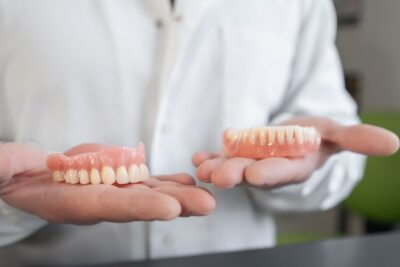
Dentures can be the perfect solution for missing one or multiple teeth. After all, your smile says a lot about you. The first thing a new acquaintance may notice about you is your teeth, and you want that first impression to be a pleasant one. Dentures can help restore your smile, but it's important that you take care of them so that they last for several years. 

You could lose one or more teeth throughout your lifetime for several reasons. You may have a medical condition that requires medication that causes your teeth to break down, or you may have suffered an accident or injury to your face which caused tooth loss. Regardless of why you may need to replace missing teeth, you now have an alternative option in keeping that confident smile. Dentures have helped many people just like you get back their confidence and function. 

What are dentures?

This type of tooth replacement is a very economical and popular choice for many patients. These replacements can be taken in and out of the mouth. They are easy to clean and manage and make your everyday life more enjoyable. Once you are fitted and have them in place, there is no doubt that they will take some time to get used to. In time, you will easily accept them as part of you and get a routine in place to keep them in top shape. With today's advanced technology, they look more natural than they ever have before, and you will love the confidence boost you get from them. 

How long will they last?

Your false teeth are made from sturdy materials and fitted in your mouth by making an impression of your gums. If taken care of properly, they will last up to ten years or more. You may have to have them relined or rebased at some point in between. This becomes necessary if you notice them slipping around in your mouth or if they have been dropped, cracked, or broken. However, it's how you care for them that will ultimately decide how long they last. 

Most problems with them are usually fixable, and there shouldn't be a need for an entirely new set of dentures in less than seven years. Always follow any recommendations your dentist has on how to care for them. Make sure you keep your routine dentist appointments and schedule additional appointments as needed for any maintenance care. These visits are when your dentist can check for any damage to your replacement teeth, and they can also be sure they are still fitting securely in your mouth. 

Some patients will develop sores inside their mouths. This is usually due to not fitting properly, and they may be moving around too much inside your mouth. If this happens to you, please let your dentist know right away. This is typically not a sign of wear and tear, but instead a sign of improper fit. The only way to remedy this is by having an adjustment done by your dentist. 

Should I sleep with them on?

Your dentist will be the first to tell you that you should not sleep with your artificial teeth in place. At night, bacteria can lay, form, and grow inside your mouth, which is a very unhealthy practice and can cause some oral health issues. You should take them out before bed and properly clean them, so they are ready to insert when you wake up. Always discuss any issue with your dentist that you may have about your replacements. They are the best source on the subject. They will give you the appropriate tips on making them last as long as possible. 

It's a good idea to establish a routine for cleaning and storing your artificial teeth, as recommended by your dentist. Having a routine in place ensures that you follow proper cleaning protocols and that your dentures are kept safe when you aren't wearing them. Doing these simple things helps keeps your dentures looking and functioning their best for as long as possible. 

Schedule an appointment

The life of dentures depends on a variety of factors. However, one of the most commonly underestimated issues is the lack of routine care and maintenance. There are many small steps you can take to keep your false teeth at their best. If you have dentures, call today to schedule an appointment with your dentist. They can help identify small issues before they threaten your comfort or the lifespan of your dentures. 

Request an appointment here: https://www.integrityfamilydentist.com/blog/ or call Integrity Family Dental at (303) 337-3000 for an appointment in our Denver office.

Check out what others are saying about our dental services on Yelp: Dentures and Partial Dentures in Denver, CO.

Consider a Dental Bridge for Replacing Multiple Missing Teeth

February 21, 2025

Consider a Dental Bridge for Replacing Multiple Missing Teeth from Integrity Family Dental in Denver, CO

Getting a dental bridge for many missing teeth can renew your dental functions and oral health. It can even give you better self-esteem, knowing that your smile is complete. Your dentist will make sure that your restoration will feel and look natural. Here are the details when it comes to considering a dental bridge for multiple teeth replacement.

The treatment

The dentist must determine if the patient has enough natural teeth that can support the dental bridge. The abutment teeth on each side of the...

(Read More)

Dental Implants vs. Other Tooth Replacement Options

February 19, 2025

Dental Implants vs. Other Tooth Replacement Options from Integrity Family Dental in Denver, CO

Dental implants are a popular tooth replacement option among dental professionals. They offer an array of benefits that other tooth replacement options do not, which is why they are often considered state-of-the-art. However, not everyone is a candidate for dental implants, and dental bridges or dentures are a better fit for some patients. Patients should consider all their options when deciding on tooth replacement.

A quick guide to dental implants and other options

Here is a quick comparison of dental implants with traditional options such as dental...

(Read More)

How Long Do Dental Implants Last?

February 17, 2025

How Long Do Dental Implants Last? from Integrity Family Dental in Denver, CO

Dental implants are stable structures that can replace missing teeth. They consist of durable, biocompatible materials. Knowing why these restorations last for a long time can motivate you to invest in your dental health. Here are the details on how long dental implants can serve you.

Permanent dental restorations

Dental implants fuse with the jawbone and gum tissue. The osseointegration makes these restorations permanent. This process happens for months. Once it finishes, the solid foundation will be ready for the abutment and dental crown.

In some cases, the...

(Read More)

Caring for Your Dental Bridge: Maintenance Tips for a Lasting Smile

February 14, 2025

Caring for Your Dental Bridge: Maintenance Tips for a Lasting Smile from Integrity Family Dental in Denver, CO

Are you considering getting a dental bridge to replace a missing tooth? This prosthetic can work wonders, but like with all prosthetics, you might be wondering how you are supposed to maintain it so it lasts forever. Continue reading to find out more.

A guide to maintaining your dental bridge

Here are a general dentist’s tips about caring for dental bridges. Reviewing this information can be helpful for patients who are preparing to have a bridge placed.

Brush twice a day or...

(Read More)