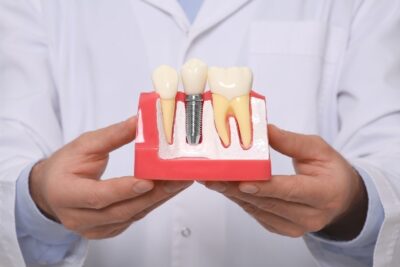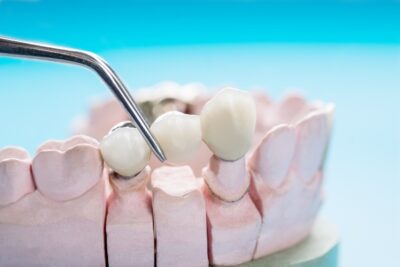

Integrity Family Dentist Blog

The Benefits of Dental Implants for Your Oral Health

February 12, 2025

The Benefits of Dental Implants for Your Oral Health from Integrity Family Dental in Denver, CO

Missing one tooth or multiple teeth can make it harder to perform everyday functions. It can also make you feel self-conscious about smiling. Dental implants not only restore the function and appearance of your smile, but they also help restore your everyday oral health.

A brief summary of dental implants

Dental implants are artificial tooth roots surgically placed in a person’s jawbone. They are made of titanium and other biocompatible materials, allowing them to fuse with the bone tissue over time. Once the posts heal,...

(Read More)

The Impact of Dental Implants on Smile Reconstruction

February 10, 2025

The Impact of Dental Implants on Smile Reconstruction from Integrity Family Dental in Denver, CO

Curious about dental implants? Read on to learn more. Dental implants have positively changed smile reconstruction, providing patients with missing teeth with an effective solution. Implants are a natural-looking and long-lasting alternative to conventional dentures and bridges. This article explains the impact of dental implants on smile reconstruction and oral health, including how they restore functionality.

The significance of dental implants

Dental implants are artificial teeth designed to replace the natural teeth root and are fixed to the jawbone to ensure great stability. Before recommending this...

(Read More)

Factors To Consider Before Opting for Dental Implants

February 6, 2025

Factors To Consider Before Opting for Dental Implants from Integrity Family Dental in Denver, CO

Dental implants can be an effective tooth replacement option for anyone missing one or a few teeth or those needing all their teeth replaced. Many consider implants state-of-the-art tooth replacement. However, to enjoy this option’s many benefits, the patient must be a suitable candidate for the procedure. Here are some key factors to take into account when considering dental implants.

An overview of dental implants

Dental implants are screwlike metal posts that are surgically placed into the jawbone. Once the patient has healed and the implant...

(Read More)

Dental Bridge vs. Dental Crowns: What is the difference?

February 5, 2025

Dental Bridge vs. Dental Crowns: What is the difference? from Integrity Family Dental in Denver, CO

Dental bridges and dental crowns are wonderful, durable options to restore a smile. However, they are both employed for different reasons. By understanding the specifics of both, patients can learn which option is best for their needs when consulting with a dentist.

Dental bridges

Dental bridges are recommended after a tooth extraction, whether by trauma or professional intervention. When a tooth is missing, a host of issues can occur. A missing tooth or teeth can cause those in the same arch to shift. This can...

(Read More)

Maintaining Oral Health After a Dental Implant Procedure

February 3, 2025

Maintaining Oral Health After a Dental Implant Procedure from Integrity Family Dental in Denver, CO

Dental implants are excellent options for restoring dental function and aesthetics in patients with missing teeth. However, the process does not end after the implant placement. The long-term condition of your mouth determines the success of the treatment. If you want to maintain good oral health and thus, your implants, this article explores a few habits to cultivate.

Oral health maintenance

Good oral care is vital after the installation of dental implants to minimize the risk of failure and ensure durability. Without proper care, issues like...

(Read More)

How a Professional Deep Teeth Cleaning Can Save Your Oral Health

February 1, 2025

Deep Cleaning Denver, CO

A healthy and clean mouth requires more than brushing and flossing daily. Professional deep teeth cleanings can help prevent severe oral health issues, particularly beneficial for those with moderate to severe gum disease or plaque buildup. Deep teeth cleanings address issues that regular cleanings may miss or not be able to fully address, promoting healthier teeth and gums.

The effects of ignoring plaque and tartar buildup

Neglecting plaque and tartar buildup can have significant consequences for oral health. When left untreated, the accumulation of bacteria along the gum line can lead to gingivitis, the earliest stage of periodontal (gum) disease. Red, swollen gums and bleeding while brushing are often the first signs of this condition.

If gingivitis progresses, it can develop into periodontitis, a severe form of gum disease that affects the tissues and bone supporting the teeth. Periodontitis can result in gum recession, loose teeth, and tooth loss. Additionally, research has linked advanced gum disease to systemic health problems, including heart disease, diabetes, and respiratory infections.

Fortunately, deep teeth cleaning addresses the root causes of gum disease. While it does not cure severe periodontal disease, it can prevent it from progressing and reduce the risk of long-term oral health complications. By removing harmful bacteria and promoting gum healing, this procedure can save teeth that the patient may have otherwise lost to advanced periodontal disease.

Understanding deep teeth cleaning

A deep teeth cleaning, also known as scaling and root planing, is a dental procedure designed to remove plaque and tartar that accumulate below the gum line. Unlike routine cleanings, which focus on the surfaces of a person's teeth and gums, this treatment reaches the pockets between the teeth and gums where harmful, accumulated bacteria thrive. These pockets form when plaque buildup leads to inflammation and gum detachment, commonly associated with severe periodontal disease.

Benefits of deep teeth cleaning for oral health

Deep cleaning is essential for preventing tooth loss by effectively removing plaque and tartar that contribute to the progression of gum disease. This procedure reduces gum inflammation and allows the gums to heal and reattach to the patient's teeth, promoting healthier gums overall. Additionally, deep cleaning helps to combat chronic bad breath, leading to a cleaner and fresher-smelling mouth.

Furthermore, improved gum health can reduce the risk of developing or worsening systemic diseases such as heart disease and diabetes, which research has linked to poor oral hygiene. After deep cleaning, patients are better equipped to maintain better oral hygiene, contributing to their overall health and well-being.

Ideal candidates for professional deep teeth cleaning

A general dentist will typically recommend a deep cleaning for patients showing signs of gum disease. These signs may include:

  • Bleeding, swollen, or tender gums
  • Deep pockets around the teeth
  • Persistent bad breath or a foul taste in the mouth
  • Pus in the gums
  • Receding gums, which make teeth appear longer
  • Loose teeth or increased spaces between teeth
  • Increased tooth or gum sensitivity

Patients who have not gone to a regular dental cleaning for a long time or who have poor oral hygiene habits may need to undergo this procedure.

A dental examination will often include probing the gums to measure the depth of the pockets between the teeth and gums. If the pockets exceed 4 millimeters, the patient may need a deep cleaning. The dentist may also use imaging tests like dental X-rays to identify any existing bone loss, which also can indicate the need for treatment.

The deep teeth cleaning process: what to expect

During a deep cleaning, a general dentist uses specialized tools to carefully clean below the patient's gum line. The cleaning process involves two primary steps:

  1. Scaling: The dentist removes plaque and tartar are removed from the surfaces of teeth and from deep within the gum pockets.
  2. Root planing: The dentist smooths the roots of the teeth to prevent bacteria from sticking to the surfaces in the future. Root planing can also help the gums reattach to the patient's teeth.

This thorough cleaning process is essential for individuals with signs of gum disease, including swollen gums, persistent bad breath, and gum recession.

Follow-up care and cleanings

While deep cleaning is an effective treatment, it is only one component of comprehensive dental care. Routine dental checkups and cleanings are essential for maintaining oral health and preventing the need for more invasive treatments. They can also prevent the need for future deep cleanings. Patients who undergo deep teeth cleaning should continue to visit their dentist for regular follow-ups to ensure their gums remain healthy and infection-free.

A deep teeth cleaning can transform your oral health

A deep teeth cleaning can prevent tooth loss, improve gum health, and contribute to your long-term oral health. Integrity Family Dental offers deep teeth cleanings in the Denver area. Call our office to learn more or to schedule an appointment.

Request an appointment here: https://www.integrityfamilydentist.com/blog/ or call Integrity Family Dental at (303) 337-3000 for an appointment in our Denver office.

Check out what others are saying about our dental services on Yelp: Dental Cleaning and Examinations in Denver, CO.

What Is Involved in Getting a Dental Bridge?

January 29, 2025

What Is Involved in Getting a Dental Bridge? from Integrity Family Dental in Denver, CO

Replacing missing teeth preserves the look and function of the smile, and a dental bridge is one of the most versatile ways to do that. Dental bridges are a popular tooth replacement method for numerous reasons. Here is a closer look at the benefits of this restoration and the process for getting one.

Benefits of a dental bridge

A dental bridge restores the way the smile looks and functions. A key benefit of this tooth replacement is that it is a permanent or fixed restoration that...

(Read More)

Myths and Facts About Dental Bridges

January 23, 2025

Myths and Facts About Dental Bridges from Integrity Family Dental in Denver, CO

A healthy, complete smile is not only about looking good but is also important for your overall well-being. Dental bridges can help restore the appearance and function of your teeth. However, common misconceptions about these replacement options can prevent people from understanding their benefits. Let us debunk some common myths about dental bridges.

Myth 1: Dental bridges are only for cosmetic purposes

While dental bridges enhance the appearance of a patient’s smile, they have more benefits beyond cosmetic treatment. Bridges help maintain the alignment of surrounding teeth by...

(Read More)

When to Seek Treatment from an Emergency Dentist

January 23, 2025

Emergency Dentist Denver, CO

While regular dental visits are vital for maintaining oral health, an urgent dental problem requires an emergency dentist. Dental emergencies, including severe pain, injury, or infection, require immediate attention to prevent complications and ensure the best outcome. Knowing when to seek care from an emergency dentist can be key to preserving oral health.

Severe Toothache or Persistent Pain

Severe tooth pain that persists despite pain relievers or becomes unbearable may signal a dental emergency, such as an infection, abscess, or extensive decay. When untreated, these issues can worsen, potentially affecting the surrounding teeth or spreading an infection to other body parts. An emergency dentist can evaluate the cause of the pain and provide treatments such as a root canal, filling, or extraction. Immediate treatment from an emergency dentist helps prevent further complications and restores comfort and functionality.

Broken, Chipped, or Knocked-Out Teeth

Knocked-out or severely broken or chipped teeth that impact the dental pulp require prompt attention. A broken or chipped tooth that exposes the inner layers of the tooth can lead to infection and tooth sensitivity. In cases where a tooth is knocked out, fast action can be the difference between preserving and losing the tooth. Keeping a knocked-out tooth moist or placing it back in the socket without touching the root can help preserve it. However, if this is not possible, a milk or saline solution container is the next best thing. Then, get to an emergency dentist so the tooth can be re-implanted.

Swelling and Infection

Swelling in the gums, face, or jaw may be a dental infection like an abscess. Dental abscesses are infections at the root of a tooth or in the surrounding gum tissue and often come with severe pain, fever, and a bad taste in the mouth. If left untreated, an abscess can spread, leading to more serious health problems, including infections in other parts of the body. An emergency dentist can drain the abscess to relieve pain, remove the infection, and prevent it from spreading. Antibiotics may be prescribed to control the infection, followed by a treatment plan to address the root cause.

Lost or Damaged Dental Restorations

Losing a filling, crown, or bridge can also be a dental emergency, especially if the affected tooth is exposed to sensitivity, pain, or further damage. Fillings and crowns are designed to protect and restore teeth after decay or damage, so their loss can leave teeth vulnerable to new issues. Attempting to continue daily activities with a missing restoration can lead to additional breakage or discomfort. Going to an emergency dentist to address lost or damaged dental work promptly ensures that the underlying tooth structure remains protected.

Uncontrolled bleeding

An emergency dentist should evaluate persistent or unexplained bleeding. Excessive bleeding, particularly after trauma or an extraction, can indicate complications that need to be addressed quickly. Prolonged bleeding might also suggest issues with clotting, infection, or other underlying health concerns. An emergency dentist can pinpoint the source of the bleeding and apply the appropriate treatment, such as medicated dressings or stitches. Prompt care for excessive bleeding helps maintain oral health and ensures that any underlying conditions are identified and treated.

Objects Lodged Between Teeth

When attempts to remove an object stuck between teeth with dental floss or other gentle tools fail, see an emergency dentist. If not removed properly, objects wedged between teeth can cause pain, inflammation, or infection. Additionally, self-treating by using sharp objects or excessive force to dislodge items can damage the teeth or gums, complicating the problem further. Instead, seek an emergency dentist who has the appropriate tools and resources.

Finding an emergency dentist

It is imperative to have an emergency plan in place before an emergency strikes. Usually, in the middle of a dental emergency, an individual is not in the best position to think and do research. Therefore, we recommend identifying an emergency dentist beforehand. Look for a provider who offers emergency dental services and has evening and weekend availability, as emergencies do not always happen during business hours. Patients can check with their regular dentist for advice on finding an emergency provider or read reviews of local emergency dentists online.

Act fast to protect your oral health

Knowing when to see an emergency dentist can make a crucial difference in preserving oral health and preventing further complications. When in doubt, reaching out to an emergency dentist is always a wise choice to safeguard a healthy, lasting smile. To learn more about our emergency dental services, call our team today.

Request an appointment here: https://www.integrityfamilydentist.com/blog/ or call Integrity Family Dental at (303) 337-3000 for an appointment in our Denver office.

Check out what others are saying about our dental services on Yelp: Emergency Dentist in Denver, CO.

Bridge the Gap in Your Smile With a Dental Bridge

January 15, 2025

Bridge the Gap in Your Smile With a Dental Bridge from Integrity Family Dental in Denver, CO

No one has to live with a gap in their smile due to missing teeth when a dental bridge offers a versatile and effective solution. It is also important to remember that replacing missing teeth is more than just a matter of cosmetics. Here is why bridging that gap teeth is important and how a dental bridge can help.

Replacing missing teeth: Why it is crucial

People should realize that replacing missing teeth is more than just a matter of aesthetics. Having a full...

(Read More)