Integrity Family Dentist Blog

General Dentistry: What to Expect During a Teeth Cleaning

January 15, 2025

General Dentist Denver, CO

Curious about what happens during a teeth cleaning at a general dentistry office? Read on to learn more about what to expect during a professional dental cleaning. You may be aware that the dentist cleans your teeth and examines your mouth for signs of oral issues, but you might not know the exact steps involved. People who are anxious about dental visits can be more comfortable if they know what happens during a dental cleaning.

The importance of dental cleaning

There are two primary reasons to get regular dental cleanings: to avoid disorders that affect the rest of the body and to prevent tooth loss. The mouth endures a lot of stress from chewing and talking throughout the day. The dental professional removes plaque and tartar from the teeth during a dental cleaning. Gum disease may occur due to too much plaque accumulation on the teeth.

Tartar should be cleaned off because the body regards it as a foreign material. Therefore, the body's immune system will try to fight the infection. There is a constant struggle in the mouth against bacteria and plaque. To level the playing field, regular teeth cleanings are necessary. The body's response to tartar accumulation is irritated and bleeding gums, which signals the onset of gum disease. Gum disease worsens with time, resulting in bone and tissue loss throughout the mouth.

Chronic stimulation of the immune system weakens the body's ability to fight an infection since the immune system is designed to only fight infection for a limited time. An overactive immune system is linked to various illnesses throughout the body. Preventing gum disease thereby lowers the risk of heart attack, stroke, and dementia.

Since the damage caused by severe gum disease is irreversible, prevention is the most effective method to preserve general health and keep the teeth for a long time. Dental cleanings are an important part of this prevention measure.

General dentistry: the teeth cleaning process

Bi-annual dental visits can lower the risk of developing gum disease, remove plaque and tartar accumulation, and prevent cavities from progressing. Although the exact cleaning procedure differs in each general dentistry office, patients may generally expect the following during teeth cleaning:

Initial exam

Generally, a dentist will first check the patient's teeth and gums. They may use a mirror during this quick examination to get a closer look at all the different parts of the oral cavity. They will look for symptoms of problems such as swollen gums (gingivitis) and dark patches on the teeth (cavities). Also, the dentist will usually inquire if patients have any concerns about their teeth or gums before beginning the cleaning. This is the time to ask questions about the cleaning process.

Plaque and tartar removal

The dentist will then use a scaler to remove plaque and tartar from the gum line and around the teeth. Plaque (a bacterial film) can lead to cavities and gum disease, and if not cleaned off, it will harden into tartar. Although plaque may be removed by brushing and flossing, tartar is only removable by a dental professional.

This step often comes with scraping noises. The length of time it takes to remove tartar depends on the extent of tartar accumulation. Furthermore, patients with gingivitis may experience bleeding gums after tartar removal. The oral cavity may also feel slightly sore.

Polishing

The dentist will remove any residual stains after removing plaque and tartar. They will then use a power toothbrush to clean the teeth thoroughly with gritty toothpaste. The use of a powerful electric toothbrush may make this process noisy. The abrasive toothpaste also polishes the teeth, leaving them smooth and gleaming.

Professional flossing

Flossing is the following step. The dental professional will slide a length of floss between the teeth to remove plaque. During this stage, the dentist may inquire about the patient's flossing routine and provide tips on flossing correctly.

Fluoride treatment

The dentist may administer a fluoride treatment to protect the teeth against cavities until the next cleaning or check-up at the dentist's office. A tray filled with fluoride foam or gel that fits over the teeth may be inserted by the hygienist during the procedure and will stay in the mouth for approximately one minute. The excess fluoride will then be rinsed away with water.

Final note

Professional dental cleaning is a preventive care treatment provided in a general dentistry office. To get started, contact our dental office to book an appointment for a cleaning and exam.

Request an appointment here: https://www.integrityfamilydentist.com/blog/ or call Integrity Family Dental at (303) 337-3000 for an appointment in our Denver office.

Check out what others are saying about our dental services on Yelp: General Dentist in Denver, CO.

Exploring Different Options for Dental Bridges and Their Benefits

January 8, 2025

Exploring Different Options for Dental Bridges and Their Benefits from Integrity Family Dental in Denver, CO

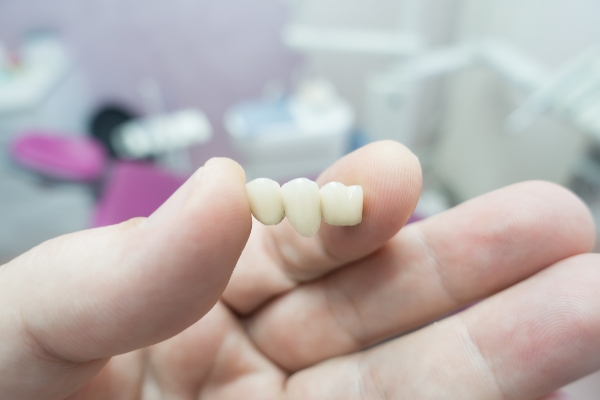
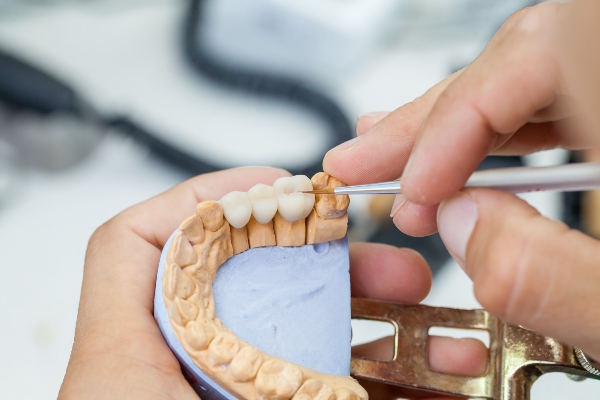
Curious about dental bridges? Read on to learn more about this type of restoration. The aftermath of tooth loss can be a struggle. The loss puts extra pressure on the rest of the teeth and chewing becomes less effective. Your speech gets affected too. Fortunately, dental bridges lay out a path to restoring the look and function of your smile. Each type of dental bridge has its advantages in dental restoration work.

Dental bridge options

Dental bridges come in various forms and are intended for...

(Read More)

How To Determine if You Are a Candidate for Dental Veneers

January 1, 2025

Dental Veneers Denver, CO

Dental veneers have become an increasingly popular choice for patients looking to improve the appearance of their smiles. A veneer can enhance the color and shape of your teeth, providing a more uniform and aesthetically pleasing smile. However, they are not a one-size-fits-all solution; certain factors determine whether someone is a good candidate. Patients should understand what veneers are, the common conditions they address, and how to determine if veneers are the right choice for them.

What are dental veneers?

Dental veneers are thin, custom-made shells designed to cover the front surface of teeth made from either porcelain or resin composite materials. General dentists typically recommend porcelain veneers due to their natural appearance and durability, while resin composite veneers may require less tooth removal. Both options are bonded to the front of the teeth to improve their color, shape, size, or length. Veneers can address various cosmetic dental issues, making them a versatile option for those looking to achieve a beautiful smile.

Who can benefit from dental veneers?

Dental veneers are ideal for addressing a range of common dental imperfections. Some of the main concerns veneers can correct include:

  • Discolored teeth. Stubborn stains from smoking, medication, or excessive fluoride can be challenging to remove through whitening treatments alone. Veneers offer a solution by masking the discoloration and providing a consistent shade across all visible teeth.
  • Chipped or worn-down teeth. Teeth may become chipped or worn down over time due to natural wear, injury, or habits like teeth grinding. Veneers can restore the shape and smoothness of these teeth, giving them a polished look.
  • Misaligned or irregularly shaped teeth. Minor misalignments, gaps, or oddly shaped teeth can disrupt the uniformity of a smile. Veneers can effectively reshape these teeth, creating a symmetrical and balanced appearance.
  • Gaps between teeth. Small gaps between teeth, especially in the front, can be closed using veneers, providing a seamless look without the need for orthodontic treatment.

Patients who experience any of these concerns and are considering enhancing their smile with veneers may be a potential candidate. However, it is crucial to remember that a thorough evaluation by a general dentist is essential. This ensures that veneers are the best solution for their individual needs, providing the reassurance needed to make an informed decision.

Factors that determine candidacy for dental veneers

While dental veneers can offer excellent cosmetic benefits, they are not suitable for everyone. Patients should consider certain factors when determining if veneers are appropriate for them:

Good oral health

Good oral health is a foundational requirement for veneers. This includes healthy gums and a lack of tooth decay. Veneers require a clean and stable surface to bond effectively, so it is necessary to address any periodontal disease or decay before considering veneers.

Sufficient tooth enamel

Enamel serves as the primary bonding surface for veneers. Since a small amount of enamel is typically removed during the veneer placement process, candidates must have sufficient enamel for a successful bond. Those with very thin or weakened enamel may need to explore alternative cosmetic treatments.

Teeth grinding or clenching

Habitual teeth grinding, also known as bruxism, can put excessive pressure on veneers, potentially causing them to chip or wear down prematurely. Those with this habit may still be candidates for veneers, but the dentist may recommend wearing a night guard to protect the veneers.

Good oral hygiene

While veneers are durable and can last for many years with proper care, they require a commitment to oral hygiene. Regular brushing, flossing, and routine dental visits are essential to maintain their appearance and longevity. Candidates for veneers should be prepared to uphold these standards and attend follow-up appointments as recommended.

Realistic expectations

Veneers can dramatically improve the appearance of the smile, but it is important to have realistic expectations about the outcome. Veneers are a cosmetic enhancement, not a complete overhaul. A dentist will discuss what veneers can and cannot achieve based on each patient’s unique dental structure and appearance goals.

Transform your smile with dental veneers

Dental veneers are a transformative option for those looking to improve the appearance of their smile. However, determining if you are a candidate for veneers requires an understanding of both your dental health and the specific needs of your smile. By consulting with a general dentist and following recommended guidelines, you can achieve a beautiful, long-lasting smile that enhances both confidence and well-being. For more information, schedule a consultation today at Integrity Family Dental.

To schedule a consultation, request an appointment on our website at https://www.integrityfamilydentist.com/blog/ or call Integrity Family Dental at (303) 337-3000 for an appointment in our Denver office.

Check out what others are saying about our dental services on Yelp: Dental Veneers and Dental Laminates in Denver, CO.


Why a General Dentist May Recommend Dental Bridges Over Implants

December 31, 2024

Why a General Dentist May Recommend Dental Bridges Over Implants from Integrity Family Dental in Denver, CO

Both dental bridges and implants are popular, effective tooth replacement solutions. However, there are cases in which a general dentist may recommend a dental bridge over implants. This may be due to the number of teeth missing, their location, and the strength of the underlying jawbone, among other factors. Understanding how each of these treatments restores the smile can help clarify why some patients benefit more from a bridge.

What are dental bridges?

As their name suggests, this restoration bridges the gap left by...

(Read More)

Getting a Dental Bridge: 5 Things To Know

December 24, 2024

Getting a Dental Bridge: 5 Things To Know from Integrity Family Dental in Denver, CO

Missing teeth can negatively impact your smile’s appearance and health. However, there are treatments out there that can help. Dental bridges are a common dental restoration that can improve oral health and enhance your smile. A dental bridge can be an effective solution if you have lost a tooth due to decay, injury, or other reasons. Here are five things you should know before considering this dental restoration.

1. What are dental bridges?

A dental bridge is a fixed prosthetic device made of resin...

(Read More)

Traditional vs. Implant-Supported Dental Bridges

December 16, 2024

Traditional vs. Implant-Supported Dental Bridges from Integrity Family Dental in Denver, CO

When the smile is missing a tooth or three, a general dentist may recommend dental bridges to restore its appearance and functionality. Even a single missing tooth can cause difficulties with eating and speaking. It also leaves room for the remaining teeth to shift, leading to a misaligned bite. While traditional and implant-supported dental bridges can help prevent these issues and more, there are key differences between the two that affect which one a dentist would recommend for your needs.

What are dental bridges?

Dental bridges are a type...

(Read More)

3 Alternatives to Dental Crowns

December 16, 2024

Dental Crowns Denver, CO

Dental crowns are often costly and require that a dentist remove a significant amount of the tooth's structure to place them. Read on to learn about dental crown alternatives. Other treatment alternatives are sometimes available that are either less expensive or significantly less invasive. Dental crowns are frequently used to restore severely damaged teeth.

3 Alternative choices to dental crowns

The following are some dental crown alternatives that your dentist may suggest. They each have specific functions, so the choice comes down to the one that best fits the patient's needs:

1. Onlays

Instead of a crown, dentists can also use onlays to reinforce teeth. Onlays are like dental crowns because they offer some level of protection for the teeth but to a smaller degree. In contrast to an inlay, which does not protect any of a tooth's cusps, onlays only cover the surface of a tooth and one or two of its cusps. A full onlay occupies the whole top surface of the tooth. A partial onlay is one that only occupies a portion of the cusps.

Onlays have the advantage of requiring less tooth structure to be removed during placement. This lowers the risk of complications when the tooth is being prepared. Onlays also make it possible for patients to keep their gums healthy, as caps can make it harder to clean plaque around the tooth's base.

Compared to a dental crown, the only drawback to this option is that a prosthetic that covers the whole tooth is usually easier to keep in place. However, since dental cement has improved significantly over the years, there is less of a chance that this will happen.

2. Dental veneers

The dentist may decide to place a veneer instead of a crown, depending on the tooth's condition. Veneers are thin shells that protect the front of teeth and are typically used for aesthetic reasons. However, the dentist will determine the suitability of the veneer for the patient's teeth. A veneer may not offer the level of protection that a tooth requires, depending on the degree of the damage. On the other hand, veneers are a less intrusive way to improve the look of one's smile for those considering dental crowns for aesthetic reasons.

3. Dental filling

If the tooth has sustained such trauma that the dentist recommends a cap, a filling is not appropriate, but it is an option. For large cavities and other damage, crowns are preferable to fillings because fillings do not have the same degree of protection as crowns.

Fillings are more likely than crowns to crack, split, and fall out. They also do not perform as well as crowns, which entirely restore a tooth's structure. A dentist might use fillings to build up a tooth that has been badly damaged by a fracture or decay before covering it with a crown.

The bottom line

If you think you might benefit from dental crowns or the above-listed alternatives, contact our dental office today to book an appointment.

Request an appointment here: https://www.integrityfamilydentist.com/blog/ or call Integrity Family Dental at (303) 337-3000 for an appointment in our Denver office.

Check out what others are saying about our dental services on Yelp: Dental Crowns and Dental Bridges in Denver, CO.

Dental Bridge for Single Tooth Replacement

December 9, 2024

Dental Bridge for Single Tooth Replacement from Integrity Family Dental in Denver, CO

Single-tooth replacement is important for oral health and the appearance of the smile. The dental bridge is one of the most popular options for individual tooth replacement. Here is a closer look at why single-tooth replacement is crucial and the advantages of a dental bridge.

The importance of single tooth replacement

Having just one missing tooth visible when smiling can make someone self-conscious about their smile. Even if the space is not as visible, it still impacts the smile’s alignment because the other teeth will shift to fill...

(Read More)

Cosmetic Dentistry Approaches to Teeth Whitening

December 9, 2024

Cosmetic Dentistry Denver, CO

Are you considering undergoing a cosmetic dentistry procedure to enhance your smile? Continue reading to learn more about one of the most common smile-enhancing procedures: teeth whitening. Under the umbrella of cosmetic dentistry, there are multiple approaches to teeth whitening. Having a thorough understanding of each option can be helpful.

Cosmetic dentistry: An overview of teeth whitening

Below is an overview of teeth whitening and how it is approached in cosmetic dentistry. Reviewing this information may be helpful when looking into what options are available for removing dental stains.

In-office whitening treatments

A very popular way to have one's teeth whitened in cosmetic dentistry is via an in-office treatment. Dental offices have access to much stronger products than those that are available in a store. These products can effectively lift stains off of the teeth in a matter of just one appointment. Results are almost instantaneous due to the strength of the whitening solution.

During an in-office teeth whitening treatment, individuals should expect the appointment to take about an hour to an hour and a half. The teeth will be thoroughly cleaned by a hygienist and dried so that the whitening solution works effectively. After this part of the process, the dentist will apply a solution directly to the teeth or a hand-held tray will be used for the teeth to soak in the solution. One should expect to keep the mouth in one position for a few minutes while the solution works its way all over the teeth. To finish, the dentist will use a curing light, which helps set the solution and remove the stains from the enamel.

After the treatment is complete, it is advised to avoid drinking or eating for an hour or so. It is also recommended to avoid dark-colored beverages that could reverse the effects of teeth whitening such as wine, coffee, and tea.

In-office teeth whitening can typically be done every few months, so long as there are no negative reactions to the treatment. Some individuals experience extreme sensitivity, which can be damaging to the teeth long-term.

Take-home trays

An alternative option for teeth whitening in cosmetic dentistry is to obtain take-home trays from the dentist. A lot of dental practices offer this as an option because it is usually a lower cost and allows the patient to control when they whiten their teeth. Of course, the solution is not as effective as when done in an office setting, however, it is still more effective than store-bought products.

Take-home whitening kits are a simple process. The kit comes with trays and multiple rounds of whitening solutions, which are to be used over the course of a couple of weeks. To start, it is advised to thoroughly clean the teeth and rid the mouth of anything that may be left behind, such as food particles. Next, the solution should be poured into the tray and the tray is then placed into the mouth. For a few minutes, the patient cannot move their mouth so that the solution can do its job. To finish, the tray should be removed and emptied.

Similar to in-office treatments, after whitening has been done, it is advised to avoid eating or drinking for an hour or so. And, as always, heavily dyed beverages should be avoided for a period of time.

Dental veneers

Dental veneers are used quite a bit in cosmetic dentistry. They are a versatile treatment option that can be used to address imperfections and abnormalities, as well as to restore teeth that are in bad shape. One purpose that they serve is to cover severe staining that cannot be lifted via teeth whitening treatments. The dentist can color-match the veneers to the other teeth so that one's smile looks consistent and even.

The dental veneer process takes longer as there are multiple appointments involved. First, the veneers are custom-crafted by a lab. Then, they are placed by the dentist in an appointment where the natural tooth is etched so that the veneer sticks.

Ready to get started?

When wanting further information about cosmetic dentistry treatments such as teeth whitening, it is a good idea to consult directly with a general dentist. An evaluation can be done to determine the most suitable form of treatment, and from there, a plan of action can be put into place. Additionally, the dentist can answer any questions or concerns about what is entailed. To learn more or to get scheduled for an appointment, reach out today.

Request an appointment here: https://www.integrityfamilydentist.com/blog/ or call Integrity Family Dental at (303) 337-3000 for an appointment in our Denver office.

Check out what others are saying about our dental services on Yelp: Cosmetic Dentist in Denver, CO.

A Guide to the Implant Supported Dentures Procedure

December 1, 2024

Implant Supported Dentures Denver, CO

If someone is missing teeth, it is imperative to replace them as soon as possible. Implant-supported dentures are one option for replacement. These fixed dentures allow for an effective and natural bite, which means that the wearer can eat normally. Unlike traditional dentures, implant-supported ones are attached to the jawbone, which prevents bone loss and provides a stable foundation.

Pre-procedure consultation

If someone is considering implant-supported dentures, a consultation with the dentist will ensure it is the right procedure. Not everyone is a good candidate for this replacement method. The patient must have sufficient jawbone density to hold the implants. The patient must also have good oral hygiene and be free of any medical conditions that could interfere with the healing process.

Implant-supported dentures procedure steps

The process of getting implant-supported dentures is not a quick one. There are numerous visits, and the average time for completion is between four to seven months, depending on the healing time after each step.

Placement of titanium rods

The initial step is to insert the implants, which are titanium screws, directly into the jawbone. To do this, the dentist makes a small incision in the gums and screws in each implant. For the upper jaw, the average number of implants used is seven, and for the lower jaw, usually four or five implants are placed.

The implants serve as the roots of the teeth. Time is needed for the jawbone to grow around the implants and for the gums to heal. This takes between three and six months.

Attachment of hardware

Once the area has healed, the patient comes back for a second visit. During this step, the dentist uncovers the implants and attaches abutments, which are metal extensions. These areas then need to heal, which takes about two weeks.

Fabrication of dentures

When the gums have completely healed, the dentist takes an impression of the gums and teeth. Based on this, a lab will fabricate a wax model. This allows the dentist to check the appearance and fit of the dentures and make any design modifications before the final product is made.

If the dentist and patient are happy with how the model looks and feels, the lab will make durable dentures that look like natural teeth. This fabrication process may take between one and three weeks.

Attachment of dentures

The final step is to secure the newly-made dentures onto the implants. The dentures are attached to the abutments, which will keep them in place. The dentist will make any final adjustments, and then the patient can begin to enjoy the new set of teeth.

Follow-up and long-term care

Your dentist may recommend one or two additional appointments to evaluate the healing of the tissues of the mouth and to ensure that the implants have fused properly. Total healing time will vary from person to person because it is influenced by a variety of factors, including:

  • A patient's dental and overall health
  • The state of the jaw bone pre-surgery
  • Medications or underlying health conditions that can slow healing, such as diabetes or poor circulation
  • Habits and lifestyle choices that can impact the body's ability to heal, such as smoking and excessive alcohol use
  • A patient's compliance with instructions during the recovery, including dietary recommendations and proper home care

In general, implant-supported dentures are easy to care for and do not require much additional work. If the dentures are removable, they should be cleaned and soaked according to the dentist's instructions to prevent staining and odors. These practices also prevent the appliances from becoming brittle.

If a patient has opted for permanently attached implant-supported dentures, it is important to clean thoroughly along the gumline where the dentures meet the tissues of the mouth. A water flosser is one of the more effective ways to do this, as it can thoroughly sweep away food particles that a toothbrush cannot reach. Dentures should also be brushed with a soft toothbrush and non-abrasive toothpaste, preferably one that is made for denture cleaning.

Finally, remember to see a dentist on a regular basis for professional cleanings and evaluations. If you notice any changes in your dentures over time, be sure to discuss them with your dentist promptly.

Conclusion

There are numerous procedures available to replace missing teeth. Implant-supported dentures are an option for certain candidates, and they provide a strong foundation that allows for normal speaking and chewing. The implants also prevent bone loss and maintain the appearance of the facial muscles.

Request an appointment here: https://www.integrityfamilydentist.com/blog/ or call Integrity Family Dental at (303) 337-3000 for an appointment in our Denver office.

Check out what others are saying about our dental services on Yelp: Implant Supported Dentures in Denver, CO.