
Integrity Family Dentist Blog

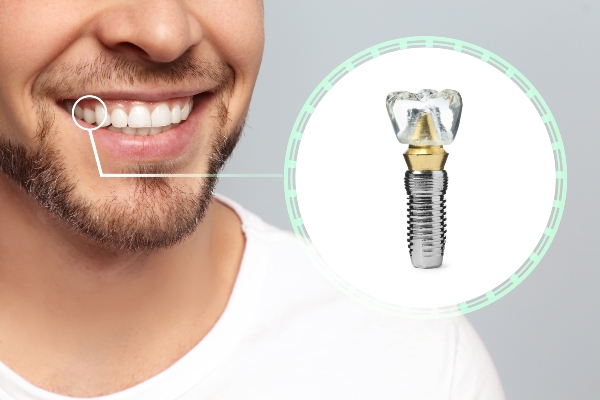
3 Signs You May Need a Dental Implant

June 19, 2024

3 Signs You May Need a Dental Implant from Integrity Family Dental in Denver, CO

You may not be aware that you need dental implants. But your dentist can tell you that you do, especially if you have regular checkups. Knowing if you need these restorations can motivate you to see your dentist about getting these dental replacements. Here are the three signs that you may need dental implants.

1. Significant changes in one’s appearance

Tooth loss causes jawbone loss, which causes facial structures to lose proper support. This results in a sunken or caved-in appearance, making people with this problem...

(Read More)

What to Expect When Getting Dental Veneers

June 18, 2024

What to Expect When Getting Dental Veneers from Integrity Family Dental in Denver, CO

Dental veneers can improve your appearance and oral health. These porcelain shells can make dramatic changes to your smile. Each one can correct damage, discoloration, and misalignment. Understanding the process can help you relax on your treatment day. Here are the things to expect when you get your dental veneers.

The consultation

Consulting a dentist is necessary before getting custom-fit shells. This is a chance to discuss the aspects of the procedure. The dentist will review the patient’s medical and dental histories. Doing so...

(Read More)

When To Get Dental Implants

June 11, 2024

When To Get Dental Implants from Integrity Family Dental in Denver, CO

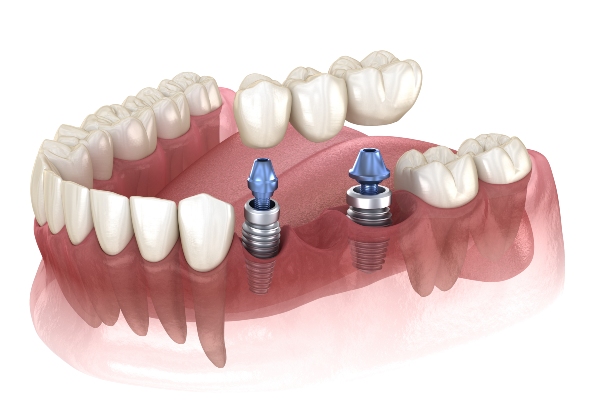
Dental implants are effective, long-lasting artificial teeth. Implants are surgically attached to the jawbone to look and function like natural teeth. As a result, patients can chew, talk, and laugh without worrying about slipping. They also improve oral health. This article explores when and why to get implants and the qualifying factors for treatment.

Who should get dental implants?

Patients choose implants over their alternatives for greater comfort, convenience, and durability. There is no set time to get implants; rather, there are common dental conditions and lifestyle factors that...

(Read More)

Key Benefits of Dental Veneers

June 10, 2024

Key Benefits of Dental Veneers from Integrity Family Dental in Denver, CO

Those wishing to change multiple aspects of their smile can benefit from dental veneers. They are an all-in-one cosmetic treatment that can address multiple aesthetic concerns. Not only can veneers fix multiple cosmetic issues in just a few dental appointments, but also they can give you a stunning new smile you are excited to show off. This article looks at the key benefits that make dental veneers such an attractive option for those wishing to give their smile a makeover.

What are dental veneers?

Dental veneers...

(Read More)

How a Family Dentist Can Treat Tooth Decay

June 10, 2024

Family Dentist Denver, CO

One of the many things that a family dentist does is detect and treat tooth decay. According to the Centers for Disease Control and Prevention, more than 90% of adults in the United States have had a cavity at some point in time. Even though this issue is quite common, it does not mean that it cannot also be very serious, especially when left untreated. Tooth decay and cavities usually require prompt treatment from a dentist to prevent complications and to preserve good oral and overall health.

While anyone can develop tooth decay, younger children are especially susceptible to this problem. In children, tooth enamel, the protective coating that shields the inner tissues of the tooth, is often thinner and more easily broken down by acid erosion. Children are also more likely to consume a diet higher in sugar, which can lead to more cavities. It can be difficult for children to clean their teeth effectively. Many children may not receive routine professional dental care because parents wrongfully assume only permanent teeth require cleanings and treatment. All of these factors can increase the risks of tooth decay.

Older adults can also be more likely to develop cavities. As you age, your tooth enamel will weaken over time, making it less resistant to erosion and bacteria. Older teeth are also more susceptible to damage, and the resulting cracks or chips can lead to tooth decay at even faster rates. Decay occurs in stages, and often symptoms do not occur until the later stages. Depending on the severity of the problem, a dentist will treat decay in varying ways.

Stages of tooth decay

There are essentially five stages of decay. The first one occurs when plaque begins to cause the enamel to lose minerals. This area of mineral loss shows up as white spots on the tooth.

The second stage is enamel decay. Further demineralization causes the enamel to break down. This shows up as a brownish color where the white spots were.

Stage three is when the decay penetrates the dentin layer, which is more sensitive to damage than enamel is. This is typically the stage when patients begin to notice symptoms such as tooth pain or sensitivity.

Once it reaches the dentin, the decay spreads quickly. At stage four, the decay penetrates the pulp of the tooth, which houses the blood vessels and nerves.

If left untreated, the bacteria cause an infection in the pulp, which leads to an abscess. This is the fifth stage.

Treatment options for decay

Tooth decay is much easier to treat in the early stages. That is why seeing a family dentist regularly is important.

Prevention and remineralization

During the first two stages, the main focus of treatment is to strengthen the enamel and prevent the decay from worsening. The dentist may recommend brushing more frequently and using products that contain calcium, phosphorus, and fluoride.

Filling

Once stage three is reached, a cavity is formed and there is no turning back. For small cavities, the dentist removes the decayed area and fills it in with a resin material.

Crown

If the cavity is bigger and the decay has interfered with the structure of the tooth, a crown is typically recommended over a filling. This is a cap that fits over the entire tooth. It matches your natural teeth, so it is not visible.

Root canal treatment

Once the decay has reached the pulp, a family dentist will typically perform a root canal. This procedure removes the decayed and damaged material from the innermost part of the tooth. After everything is removed, the dentist places a filling or a crown, depending on the extent of the damage.

Removal of the tooth

If the tooth is abscessed, a root canal may not be sufficient to take care of the problem. If the dentist is unable to save the tooth, he or she will need to extract it to prevent the infection from traveling to the jawbone, neck, and head.

Conclusion

Tooth decay should never be ignored. It could lead to infection, severe tooth damage, and even tooth loss if left untreated. A family dentist can catch the issue before the patient even knows that it is there. Whether caught in the early or late stages, there are multiple treatment options available to stop the spread of decay and infection. Be sure to keep up with routine dental appointments and contact your dentist immediately if you suspect a cavity is forming.

Request an appointment here: https://www.integrityfamilydentist.com/blog/ or call Integrity Family Dental at (303) 337-3000 for an appointment in our Denver office.

Check out what others are saying about our dental services on Yelp: Family Dentist in Denver, CO.

3 Tips for Dental Implant Aftercare

June 4, 2024

3 Tips for Dental Implant Aftercare from Integrity Family Dental in Denver, CO

Dental implants are the most stable dental restorations you can get. The invasive procedure will cut through your gum tissue. The dentist will drill into the jawbone and place titanium rods into the holes. The right kind of care is important to make sure that the implant site is free from infections. Here are the three tips for aftercare when you get your dental implants.

1. Treat the pain and swelling

Tissue pain and inflammation are common after surgery. The patient will feel these effects after the anesthetic...

(Read More)

A Comprehensive Guide to the Different Types of Dental Veneers

June 3, 2024

A Comprehensive Guide to the Different Types of Dental Veneers from Integrity Family Dental in Denver, CO

Dental veneers are quick and easy restorations. These thin shells can cover the front part of the teeth. Dental damage and discoloration can go away. You can even gain more strength from this extra layer of protection. Knowing which one can fit you the most can help you decide with your dentist on consultation day. Here is a comprehensive guide to the different types of dental veneers available.

Dental veneers by process

Dentists can now place these shells in different ways....

(Read More)

When a Dental Crown May Need to Be Replaced

June 1, 2024

Dental Crown Denver, CO

If you've suffered a broken or damaged tooth, you may want to consider a dental crown to restore your damaged smile. It's important, however, to know when your crown is getting worn and when it is time to get it replaced so that you can keep your smile looking its best. Proper maintenance and care are key to keeping your smile functioning properly. 

A dental crown is a cover that fits over the tooth to protect it. Dental crowns are often necessary when teeth have been broken, decayed, or worn down. The dentist will take an impression of your mouth and create a mold for the new crown. This article discusses signs indicating when you may need to receive another crown to maintain optimal oral health.

Tooth sensitivity

If your tooth feels sensitive to hot and cold food, you may need more time for the crown to bond with your tooth. You can also try using fluoride varnish or fluoride gel on the teeth so they will be protected from acids in foods that cause sensitivity.

Once your dentist replaces a crowned tooth, they will likely check for cavities underneath it and monitor the area surrounding where the old crown was placed to prevent future problems. If, for some reason, the tooth is decaying underneath the crown or you have an underlying issue like an infection, then the dentist may need to remove the crown to treat the infected area before replacing the crown. 

Drifting or moving

If the crown is moved out of its original position after being fitted by your dentist, other methods are available to ensure that your teeth are still protected. The tooth may be stabilized with a crown or other means, but you should check in with the dentist right away.

If you notice moving, report it to your dentist right away. Shifting and movement affect the look and position of your crown but depending on the position of your other teeth and how much space you have, it can cause significant damage to your other teeth as it shifts them out of position. 

Cracks and chips

Chips and cracks on the crown surface are the most common reasons people visit their dentist. Generally, if there is a large enough crack or chip that could fall out, you should receive new dental work to replace your old one. A bad enough chip or crack exposes the damaged tooth underneath and causes more harm to your tooth if you go for long without having it replaced. 

Once your dentist has fitted the crown, they will ensure that it does not chip or crack. If it does, there are other types of restorations available to you. You can also talk to your dentist about ways to care for your crown and potential behavior that can lead to additional wear and tear. This way, you can void additional dental visits and have to have your crown replaced more frequently. 

Discoloration or spots on the crown

If the crown is starting to show signs of discoloration or spots, it can indicate problems with cavities underneath. If this occurs, your dentist will take an x-ray to check for cavities and make sure that you receive new dental work if necessary.

Dental crowns can sometimes discolor over time. This is because saliva and other elements can seep through them, causing stains that make your tooth look less beautiful. Please talk with your dentist about how they would like to handle this issue.

Gum pain or bleeding

If you are experiencing gum pain or bleeding, there is a good chance that the crowns need to be replaced. Your dentist will take an x-ray of your tooth to check for cavities underneath it and make sure that you receive new dental work if necessary.

The crown's gum tissue may become irritated if it does not fit properly. This can cause pain or swelling in your gums when brushing, flossing, or biting down on food. Talk with your dentist about how to make sure that this problem does not continue to occur.

A change in the bite as you chew food

The last thing you want to do is replace your crowns because they are not working. Make sure that the bite feels normal when chewing food before deciding if it needs replacing or other measures need to be taken by your dentist.

Speak with your dentist

If your smile is less than perfect, reach out to your dentist to learn about the options available to you. They can walk you through the services that are available, and together you can make the right choice for your teeth. It's important to address these issues as soon as possible to avoid further complications. 

Request an appointment here: https://www.integrityfamilydentist.com/blog/ or call Integrity Family Dental at (303) 337-3000 for an appointment in our Denver office.

Check out what others are saying about our dental services on Yelp: Dental Crowns and Dental Bridges in Denver, CO.

How a Family Dentist Treats an Abscessed Tooth

June 1, 2024

Family Dentist Denver, CO

A family dentist is a professional who offers various general dentistry procedures to patients of all ages. Those who practice family dentistry can treat many serious dental concerns, including an abscessed tooth. In addition to being painful, an abscess can lead to further health concerns. Patients experiencing this issue should seek treatment right away.

Treatment options for an abscessed tooth

An abscess occurs when pus forms a pocket around an infected tooth root. While teeth have hard enamel and dentin on their outer layers, they house connective tissue, nerves, and blood vessels. The tissue, known as the pulp, can become infected because of a deep cavity, cracked tooth, or gum disease. When a tooth becomes infected, it can kill the pulp and cause an abscess to develop.

A family dentist can diagnose and treat tooth abscesses in patients of any age.

Signs of an abscessed tooth

Abscessed teeth cannot heal themselves. One of the first signs of infection is pain. Patients may present with throbbing and gnawing pain or sharp and shooting pain. Some people may experience severe pain when biting down, while others may have continuous pain. Generally, a tooth infection causes temperature sensitivity that lingers long after removing the culprit.

Other symptoms individuals may face include:

  • Pain radiating through the neck, face, jawbone, and ear
  • Swelling of the jaw
  • Open sores on the gum
  • A bitter taste or foul-smelling breath from the abscess
  • Gum swelling and redness
  • Loose teeth

A stop to the pain does not indicate a healing infection. Sometimes, toothaches stop because the pulp in the tooth dies, killing the nerves. Even if a patient cannot feel the infection, it can continue spreading, destroying other tissues.

Treatments for an abscessed tooth

To diagnose an abscessed tooth, the family dentist will take an X-ray to determine the cause of the infection and the damage caused by the abscess. When it comes to treatment, dentists have various options available.

One option involves draining the abscess. The professional makes a small incision to release the pus. The dentist may place a small rubber drain to keep the area open if necessary.

One of the most common treatments for patients with an abscess is a root canal. The professional remove the inner pulp during this procedure and fills the space with material to seal it against further infection. Following the process, a patient should be able to return to normal. Some dentists will fit the patient with a crown to protect the root canal.

If dentists cannot save abscessed teeth, they may extract them instead. Sometimes, an extraction provides dentists with a way to drain the abscess. Many patients also take antibiotics to treat the infection, especially if it has spread to other areas of the mouth.

Conclusion

A family dentist can diagnose and treat a dental abscess for patients of all ages. When diagnosed with an abscess, most patients need either a root canal or tooth extraction.

Request an appointment here: https://www.integrityfamilydentist.com/blog/ or call Integrity Family Dental at (303) 337-3000 for an appointment in our Denver office.

Check out what others are saying about our dental services on Yelp: Family Dentist in Denver, CO.

Who Is a Good Candidate for Dental Implants

May 27, 2024

Who Is a Good Candidate for Dental Implants from Integrity Family Dental in Denver, CO

Dental implants are a popular option for people missing one or more teeth. They look, feel, and function like natural teeth, making them an enticing choice for adults needing tooth replacement. Though this option offers many benefits that other teeth replacement options do not, it may not be the right choice for everyone. Let us look at dental implants and what makes someone a good candidate.

Dental implants explained

Different variations exist on dental implants, but the basic construction is the same:

1. A titanium post...

(Read More)