Integrity Family Dentist Blog

Key Differences Between Dental Veneers and Dental Crowns

July 18, 2024

Key Differences Between Dental Veneers and Dental Crowns from Integrity Family Dental in Denver, CO

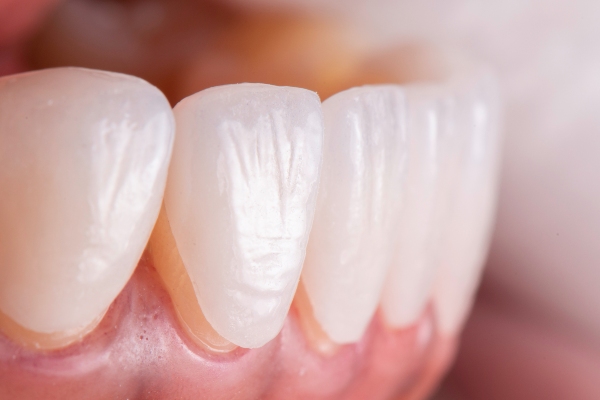
Dental veneers and dental crowns are restorations that can change the appearance of your teeth. Though they are different procedures, people often confuse the two. This article will review the key differences between crowns and veneers to help you better understand which procedure is right for you.

What are Dental Veneers?

A dental veneer is a thin covering for a tooth made from porcelain or composite resin. Veneers are a cosmetic procedure because they can correct teeth’ discoloration, shape, size, and spacing and...

(Read More)

Things To Know About Dental Veneers

July 11, 2024

Things To Know About Dental Veneers from Integrity Family Dental in Denver, CO

Those seeking to perfect their smiles often turn to dental veneers. This treatment is well known for helping to create bright and dazzling smiles free from imperfections, making it one of the most sought-after cosmetic procedures. In addition, veneers are aesthetically pleasing and versatile in addressing the widest range of cosmetic issues.

However, it is important to consider all aspects of a cosmetic procedure when deciding if one is right for you. Dental veneers have many advantages, but they are not for everyone. This article looks...

(Read More)

What You Need to Know About Dental Implants

July 10, 2024

What You Need to Know About Dental Implants from Integrity Family Dental in Denver, CO

As a patient considering dental implants, there are some important things that you need to know. Dental implants are a popular and effective way to replace missing teeth, but they require careful consideration and planning to ensure their success. This article will go over the basics of dental implants and what you can expect from the treatment process from start to finish.

What are dental implants?

Dental implants are artificial tooth roots that a dental professional surgically implants into the jawbone. They consist of titanium or...

(Read More)

Signs You May Need a Dental Filling

July 10, 2024

Composite Fillings Denver, CO

A dental filling is important in achieving good dental health and a painless smile. This dental restoration can seal the tooth and protect it from further decay. Knowing when to get fillings can help you achieve your smile goals earlier. Here are the signs your tooth may need a dental filling right away.

Sharp dental pain

Pain often develops when cavities form and may be sharp and constant. Eating or drinking something hot or cold can also trigger the discomfort. The enamel is likely worn already, exposing the nerves. See the dentist if this type of dental pain continues. The right type of dental filling will seal the cavity and may stop the pain.

Foul breath

Bad breath can develop as cavities do. More food particles enter the cavity as it goes deeper. This is the ideal environment for bacteria to live and thrive. When this happens, foul breath develops. The patient may also have a bad taste in the mouth. A loose dental filling may cause a metallic taste.

Missing or damaged filling

Old fillings can crack, loosen, or fall out. A reason for this may be more dental decay. Poor dental care can also cause a dental filling to dislodge. Replacing the filling is necessary at this point. This will prevent dental issues from worsening.

A hole in the tooth

This is a visual sign that the tooth needs a filling. The patient may also notice that there is a rough spot or an indentation forming on a tooth. This may start as a dark spot. It may develop into a cavity later. The dentist will address this issue with a dental filling.

Dental damage

A crack or fracture on a tooth provides an opening for bacteria and food particles to enter the tooth. This is a common result of a facial or oral injury. A dental filling can repair the dental damage. This will even prevent dental decay.

The dental filling procedure

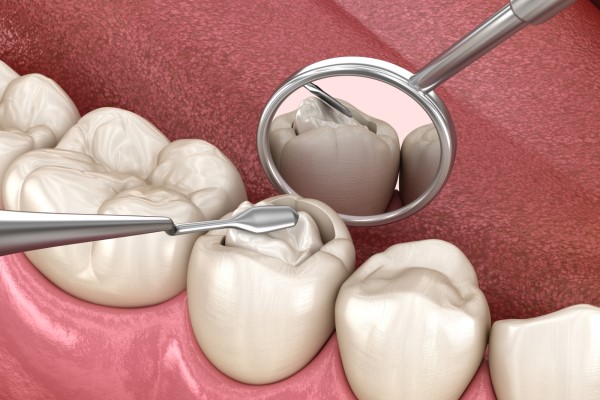
The dentist will numb the area first with a gel or cream. This will prevent the patient from feeling any pain during the treatment. The patient will feel some pressure but not discomfort. Preparing the tooth for the dental filling will come next. Dental dams will isolate the tooth and keep it dry. A bite block will prevent the patient from exerting effort to keep the mouth open.

The dentist will grind away the decayed area of the tooth. This will also get rid of any stuck bacteria there. A suction device will remove debris and water from the mouth as the dentist works. Rinsing and drying the area will allow the dentist to see the treatment area well.

Choosing the right color of dental filling material will follow. Research shows that most patients choose tooth-colored fillings. This type of restoration blends well with the neighboring natural teeth. Applying the filling and hardening it with a curing light will come next. The dentist will refine the dental filling so that it looks natural.

Adjusting the filling will be necessary. The patient will bite down on a piece of carbon paper. This will determine if the new bite is even. Trimming a high dental filling down will make it more comfortable. Adjustments like this are important in achieving a natural bite. It also ensures the longevity of the restoration.

Preventing tooth decay

Cavities and gum disease are common dental issues. They can worsen right away if the dentist does not treat them early. Learning how to prevent these dental problems can help maintain a healthy smile. Below are some ways to prevent dental decay:

  • Snack less. This reduces the amount of bacterial acids that can attack the enamel. If snacking is necessary, see to it that the snacks are good for oral health.
  • Brush at least twice a day for two minutes each time with a soft-bristled toothbrush and fluoride toothpaste. Floss once a day and use a fluoride mouthwash. Studies show that fluoride can help remineralize the enamel and protect it from bacterial acids.
  • Do not overdo brushing. This contributes to enamel erosion.
  • Hydrate all the time. Drinking water regularly buffers the acids that attack the enamel.
  • Eat and drink more dairy products. The minerals and vitamins in dairy products help strengthen teeth and trigger saliva production.
  • See the dentist regularly. Dental checkups can clean the teeth with professional-grade tools. The dentist can also remove plaque and tartar that cause dental decay.

Knowing that you need a dental filling can help you maintain a painless smile

Cavities can start as dark spots. Over time, these spots can develop into holes. Cavities can cause pain and other dental issues. Seeing the dentist can treat the problem with a dental filling. Working with your dentist can make your restoration last for a long time.

Request an appointment here: https://www.integrityfamilydentist.com/blog/ or call Integrity Family Dental at (303) 337-3000 for an appointment in our Denver office.

Check out what others are saying about our dental services on Yelp: Composite Fillings in Denver, CO.

Are You a Candidate for Dental Implants?

July 4, 2024

Are You a Candidate for Dental Implants? from Integrity Family Dental in Denver, CO

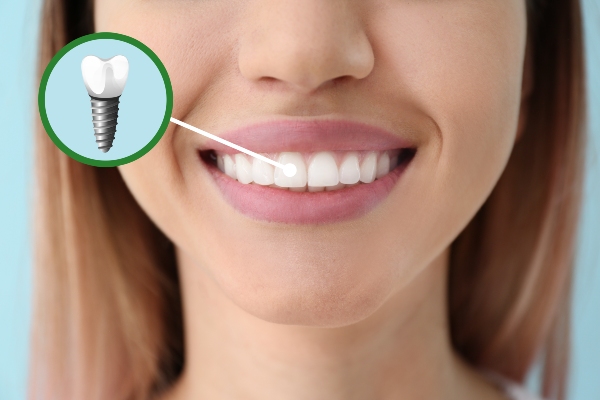
Having dental implants can correct tooth loss, which is the primary reason for getting these dental replacements. Other reasons for getting them may determine if you are a good candidate for this treatment. Knowing if you are a good candidate for dental implants can help you prepare well for your next appointments. Here are the details that can help determine if you are a good candidate for dental implants.

Many missing teeth

These restorations can replace one to all missing teeth. For a single or a few...

(Read More)

A Comprehensive Guide of Getting Dental Veneers

July 3, 2024

A Comprehensive Guide of Getting Dental Veneers from Integrity Family Dental in Denver, CO

If you are tired of feeling self-conscious about your smile, then dental veneers may be the solution you are looking for. They can help repair chipped, stained, or misaligned teeth. This blog guide will walk you through everything you need to get dental veneers.

What are dental veneers?

Dental veneers are thin, custom-made shells that a dentist places over the front surface of a patient’s teeth to improve their appearance. They are typically made of porcelain or composite resin and can correct a variety...

(Read More)

Dental Emergencies: When to Visit an Emergency Dentist

July 1, 2024

Emergency Dentist Denver, CO

An emergency dentist can provide quick relief for any urgent dental issue. But not all dental issues need immediate resolution. Knowing when to visit this dental care provider can give you the right type of care. Here are the details on when to see your emergency dentist.

An extruded tooth

This condition is also called a partially dislodged tooth. Pain is a common result of this dental emergency. The patient can apply a cold compress to the side of the affected tooth while driving to the emergency dentist’s clinic. An over-the-counter pain medication can help manage the discomfort until the patient arrives at the clinic.

A badly cracked tooth

Take the pieces of the tooth and place them in some milk. Use warm water to rinse the mouth. Placing a piece of gauze in the affected area for about 10 minutes can stop the bleeding. Apply a cold compress on the side of the painful tooth to relieve swelling and pain. See the emergency dentist right away.

Severe dental pain

Rinsing the mouth with warm water can help relieve the discomfort. Dental floss can remove any lodged pieces of food between teeth. Placing a cold compress on the painful and swollen side of the face can help provide relief. Seeing the emergency dentist right away can determine the cause of the pain and this can provide lasting relief.

A knocked-out tooth

It is ideal to find the tooth. Make sure to avoid touching the roots. Hold the tooth by its crown and use clean water to wash away any debris as gently as possible. Refrain from scrubbing the tooth.

Keep the tooth in some milk while driving to the emergency dentist. This will keep the tooth alive and moist. The dentist will then be able to re-plant the tooth back in its socket. The process must start within an hour from the tooth’s detachment.

Dental abscess

This urgent dental issue is a pimple-like infection that occurs around the root of a tooth. An abscess can damage the tooth and its surrounding tissue. Without immediate treatment, this could result in jaw or facial swelling. The infection could spread to other parts of the body as well.

See the emergency dentist right away. Before leaving for the clinic, rinse the mouth with a mild salt solution. This can help relieve the pain. It can also draw the pus to the surface of the gum tissue.

Severe injury to the soft tissues of the mouth

These soft tissues include lips, tongue, gums, and cheeks. Tissue damage often results in severe bleeding. Control the bleeding before seeing the emergency dentist. The following are some tips on how to keep the bleeding down:

  • Hold a cold compress to the outer cheek of the affected area for about five minutes. Rinse the mouth with a saltwater solution.
  • Use a caffeinated tea bag or a piece of gauze to apply some pressure to the bleeding area. Hold for 15 to 20 minutes. Go to the ER (emergency room) if the bleeding does not stop.

Damaged or lost dental restoration

Old dental restorations can dislodge, loosen, or crack. When this happens, use sugar-free gum or dental cement to cover the affected tooth. Regular gum will cause discomfort. Drive to the emergency dentist right away.

A damaged bridge or crown will need an emergency dentist’s immediate attention. Bring the restoration if found. Use dental cement to coat the inner surface of the tooth. Denture adhesive or toothpaste can help seal the tooth as well.

Preparing for the visit to an emergency dentist

Some dental issues do not need emergency treatment. Others do. It will help if the patient keeps an eye on the symptoms. The following steps can help the patient decide what to do:

  • Assess the damage. The patient must compose oneself first and evaluate the extent of damage.
  • Keep the whole tooth, restoration, or pieces of the tooth. Store the tooth or its pieces in some milk.
  • Have someone drive the patient to the dentist and back home. This will ensure the patient’s health even after extensive treatment.
  • Call the nearest emergency dentist in the area. Doing so will help the clinic prepare for the patient. It will also determine where the patient will be driven to right away.

An emergency dentist can relieve urgent dental issues at any time or day

Pain and bleeding are common signs that a dental issue needs urgent attention. The abovementioned occasions can help determine if you need to go to an emergency dental clinic. This can give you the right treatment and prevent any possible complications. Working with your emergency dentist will allow the solutions to last for a long time.

Request an appointment here: https://www.integrityfamilydentist.com/blog/ or call Integrity Family Dental at (303) 337-3000 for an appointment in our Denver office.

Check out what others are saying about our dental services on Yelp: Emergency Dentist in Denver, CO.

What Are the Different Types of Dental Implants?

June 27, 2024

What Are the Different Types of Dental Implants? from Integrity Family Dental in Denver, CO

Dental implants are artificial roots that a dentist surgically places into the jawbone. The prosthetic tooth is then attached to the implant and acts like a real tooth, replacing missing teeth or repairing broken ones. This guide will review the three different types of dental implants available today.

3 types of dental implants

1. Endosteal dental implants

Endosteal implants contain titanium that dentists place into the jawbone. They anchor to the jawbone by using the jawbone itself rather than attaching to existing teeth or dental...

(Read More)

Tips and Advice on How to Make Your Dental Veneers Last Longer

June 25, 2024

Tips and Advice on How to Make Your Dental Veneers Last Longer from Integrity Family Dental in Denver, CO

Dental veneers are an investment. Getting these restorations is a significant decision. The permanence of having these shells on your teeth needs commitment. Knowing how to make these restorations last longer can help motivate you to care for them even more. Here are some advice and tips on how to make your dental veneers last longer.

Have regular dental visits

Keep dental appointments. These will help care for the dental veneers and keep them in position. The dentist can check...

(Read More)

How Common Are Implant Supported Dentures?

June 20, 2024

Implant Supported Dentures Denver, CO

Tooth loss can hurt one’s smile as well as the ability to eat or speak. With implant-supported dentures, the entire look of the smile can be transformed, and individuals can enjoy more freedom with food choices. These dentures are long-lasting and have a positive impact on oral and emotional health.

The positive impact of dentures

Dentures are a dental tool for altering the look and function of the mouth, as it provides replacement teeth when a loss has taken place. With an implant-supported option, there are several benefits to the patient.

Appearance

For those who experience significant tooth loss, there is a noticeable impact on their appearance. Many people are embarrassed by the way their smile looks and will retreat from the spotlight out of insecurity. This self-isolation or negative self-talk can do damage to a person’s emotional wellness. Tooth loss also affects dietary habits and speech function, which can only add to the distress already felt over one’s smile. Dentures are a way to change the look of the smile, creating uniformity and a beautiful aesthetic.

Dining options

Dental implants, when used with dentures, also bring freedom back into an individual’s diet. Traditional dentures are typically held in place through adhesives and the suction action against the gums. Though somewhat stable, patients must avoid eating particular foods out of concern that the dentures will move or shift. Food particles and other substances can also get trapped underneath the dentures, creating the potential for bacteria build-up. The construction of dentures supported by implants removes these concerns.

Oral health

Even though the teeth in the dentures are not real, dentures can have a positive impact on one’s oral health. Dental implants go deep below the gumline and fuse to the jawbone. Though it will be the support to which the denture is attached, the implant itself acts like natural tooth roots and provides stimulation to the jawbone whenever a person is chewing. Without this stimulation, the jawbone could experience bone loss, often changing the shape of the face. This could lead to additional concerns with appearance.

Understanding implant-supported dentures

Having implants placed requires surgery and some significant recovery time. However, with so many advantages to enjoy, many people find that the results are worth the time and effort.

The procedure

First, a dentist must evaluate the jaw bone to determine if there is enough healthy hard tissue to support the necessary implants. Those with a weakened or deteriorated jaw bone may be able to have a bone graft first, which will help strengthen and reinforce the area, preparing it for the implant procedure. Once this step is complete, small incisions are made strategically along the gum line and the implants are inserted below the surface. Usually, four to six implants are placed for each upper and lower denture.

The incisions will heal and the implants will fuse to the jawbone over the course of a few weeks or months. After enough healing, an abutment will be attached to each implant, proving a surface for the dentures to attach to. Once everything has healed sufficiently, the dentures can be snapped into place.

Recovery and care

It can take many weeks or months from start to finish when getting implant-supported dentures. It will take some patience but following the dentist's recommendations carefully may help speed up the process. Removable dentures should be cleaned in the same way as traditional ones. If your dentures are permanently attached to the implants, using a water flosser can make it easier to clean the gum tissues beneath the appliances.

The benefits over traditional dentures

Implant-supported dentures can support either a full or partial denture, and the construction makes them a preferred choice among many when looking at tooth replacement options. Denture wearers often feel embarrassed or anxious about the way traditional dentures tend to move around the mouth, and some ill-fitted appliances are known to fall out on occasion. Even though dentures can make life better, it is implant-supported ones that can deliver a life-changing experience.

Implants can be put in both the upper and lower jaws, creating a stable base for the artificial teeth. The composition materials are durable and long-lasting, guaranteeing a beautiful smile for years to come. These dentures are easier to clean and much more hygienic than traditional options.

Conclusion

For help transforming a smile into a beautiful, uniform appearance, speak to a dentist about implant-supported dentures. A few simple steps could create a whole new aesthetic and restore self-confidence.

Request an appointment here: https://www.integrityfamilydentist.com/blog/ or call Integrity Family Dental at (303) 337-3000 for an appointment in our Denver office.

Check out what others are saying about our dental services on Yelp: Implant Supported Dentures in Denver, CO.