Integrity Family Dentist Blog

Help Protect Your Teeth with Dental Restorations

May 20, 2024

Dental Restorations Denver, CO

As you age, your teeth face challenges from numerous issues. Daily wear from chewing food or stress-related grinding, gum problems from bacteria build-up, and tooth damage from the foods and drinks you consume all play a role in the deterioration of your smile.

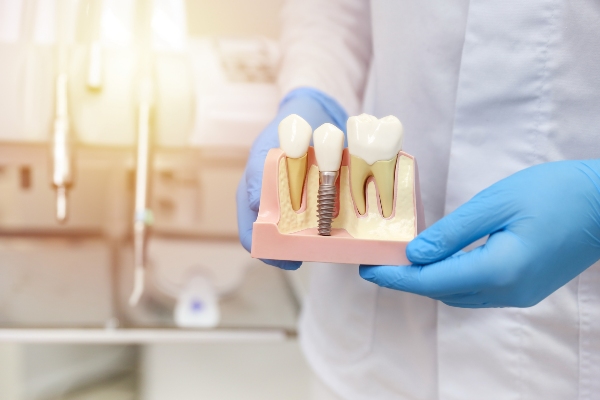
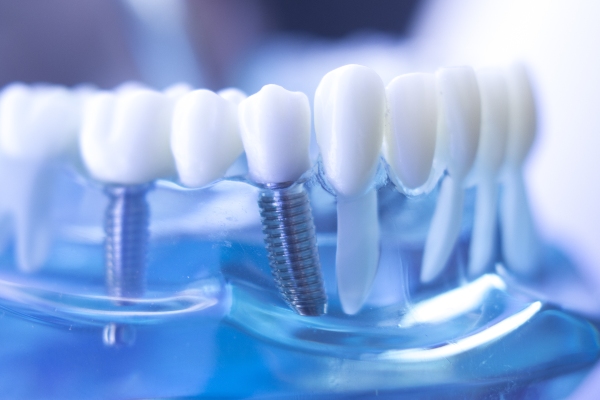
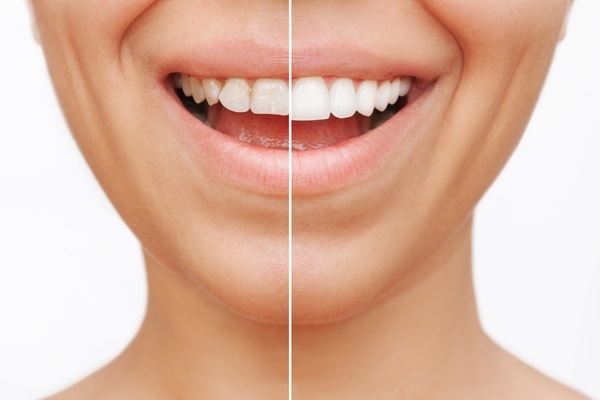
You and your dentist share a common goal: caring for and preserving your natural teeth. Through dental restorations, missing teeth can be replaced, cavities can be prevented, and your bite's function can be maximized.

Over the years, the dental restoration options available have increased and their level of effectiveness has greatly improved. There are numerous alternatives available to address your dental health concerns, ranging from minimally invasive and low-cost to high-tech, complex, and more expensive. When you make an appointment with your dentist to discuss restoration options, you should be armed with the basic information.

Types of dental restoration

Modern technology has greatly improved the options for tooth restorations, leaving you with numerous options for repairing decayed, damaged, worn, or missing teeth in an effort to restore a beautiful smile and healthy bite. Based on the needs of your teeth, your dentist may recommend one of the following types of procedures.

Direct restoration procedures

The most common type of direct tooth restoration is dental fillings. This can be completed in a single office visit and involves preparing the tooth cavity and inserting a filling. The location of the cavity is the biggest factor in choosing the filling material. Glass or resin ionomers provide appropriate color options for the front of the mouth, but they are generally used near the tooth root and in places not used for heavy stress from chewing. Silver amalgam fillings provide a more durable option for the molars.

Indirect restoration procedures

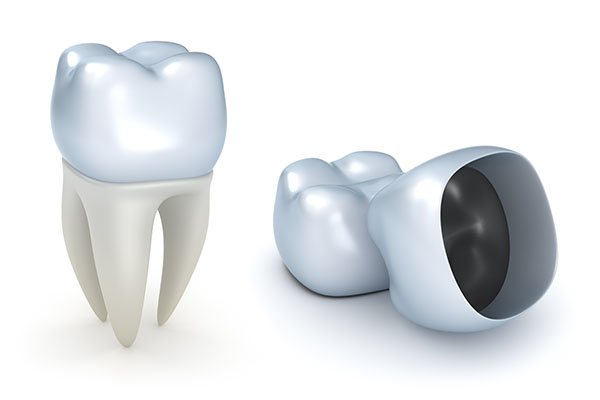
Indirect dental restorations include customized replacement teeth such as crowns, inlays, or onlays. Crowns are tooth-shaped caps that cover the whole chewing surface of the tooth, while inlays are placed within the cusp and onlays cover the tip of the tooth, including a portion of the chewing surface. Indirect restoration procedures include additional office visits to allow time for customized fittings and fabrications. There are several materials that you and your dentist can choose from, based on the location of the problem tooth, your preferences, and your budget needs. Gold is still often used for inlays, but porcelain and composite resins that match the natural tooth color are popular options for those concerned about keeping their teeth looking white.

What to ask the dentist

When you make an appointment for dental restorations, you should expect to undergo an initial exam and consultation. This is the time to ask questions so you can be completely prepared for both the procedure and the results. Here are some suggestions of what to ask your dentist:

  • What are my options? Your options for restoring damaged teeth depend on several factors, so ask your dentist to discuss all of the options and alternatives.
  • How long does the process take? The time required for dental restorations varies depending on the chosen treatment. Bridges and crowns are relatively quick processes that only require two appointments across a couple of weeks. More complex procedures like implants can often require three to six months. A restoration that includes tooth removal sometimes necessitates a waiting period of up to three months for the mouth to completely heal before undergoing more procedures.
  • What are the risks? Any medical or dental treatment is likely to carry some level of risk. Talk with your dentist about your situation and the potential problems that could occur with each procedure.
  • How much will it cost? There are options for dental restoration to fit every budget. Bondings and fillings tend to be on the lower end of the expense continuum; veneers and implants are more involved procedures and therefore cost more.
  • How long do the results last? Depending on the procedure chosen, your dental restoration could last from 10-25 years. Implants can last forever if properly maintained. Veneers have a lifespan of around 25 years, and bondings, crowns, and fillings can be expected to last for up to ten years. 

Conclusion

If your smile is no longer what you want it to be, it is important to know that a healthy smile is never out of reach. Worn, damaged, and missing teeth can be repaired or replaced with proper dental restoration procedures. The possibilities are numerous with options to fit any condition or budget. Talk with your dentist today about the right tooth restoration choices to meet your needs.

Request an appointment here: https://www.integrityfamilydentist.com/blog/ or call Integrity Family Dental at (303) 337-3000 for an appointment in our Denver office.

Check out what others are saying about our services on Yelp: Read our Yelp reviews.

What Is the Process of Getting a Dental Implant?

May 19, 2024

What Is the Process of Getting a Dental Implant? from Integrity Family Dental in Denver, CO

Studies show that dental implants remain the gold standard in dental restorations. These dental replacements are the most stable ones that you can get. It may be invasive, but once it heals well, you will have good dental function again. Here are the details about the process of getting dental implants.

The assessment

The dentist will examine the patient’s mouth first. Doing so can determine the full condition of the jawbone. This can then help the dentist decide which implant procedure will help the patient...

(Read More)

Common Questions About Dental Implants

May 12, 2024

Common Questions About Dental Implants from Integrity Family Dental in Denver, CO

Dental implants are a popular and effective treatment option for missing teeth. However, it can be overwhelming to learn about the details of the entire process. In addition, it is normal to have questions about the procedure. This article will review the most commonly asked questions and help you determine if this procedure may be the most effective solution for you and your oral health needs.

Common Questions About Dental Implants

1. What are dental implants?

Dental implants are small titanium posts that dental professionals surgically implant into...

(Read More)

What a General Dentist Does for a Toothache

May 10, 2024

General Dentist Denver, CO

A general dentist can relieve a toothache after a proper assessment. This type of dental problem is often accompanied by swelling. It may even occur with a migraine, fever, or earache. Tooth pain needs immediate treatment. Here are the details on what a general dentist can do for a toothache.

A thorough dental exam

Each toothache is different. That is why the general dentist will treat each one based on its main cause. Some aches result from minor irritation. Others involve nerve issues.

The dentist will first do a physical dental exam to assess the tooth. Ordering dental X-rays will help determine if there are any hidden causes to consider. Asking the patient about any current medical condition or medication can help form a diagnosis. Only then will the general dentist begin the treatment.

Dental filling

The general dentist will drill away the decayed tooth if there is already some cavity formation. Placing dental fillings in the holes will follow. A curing light will harden the fillings and keep them in place. Shaping and polishing the fillings will follow. This will ensure a comfortable bite. It will also help the fillings blend well with the dental structure.

Fluoride treatment

Holes or cavities develop when tooth decay worsens. Trapped food particles in the holes cause pain. Fluoride treatment from a general dentist can reverse the damage that results from tooth decay in its early stages. This natural element can repair the enamel. It can even protect the teeth by making them more cavity-resistant.

Tooth extraction

Severe tooth decay or damage can reach the deepest parts of the tooth. The general dentist will assess the tooth if the damage or infection has gone beyond the gumline. Repairs may not be enough anymore. Removing the tooth will help stop the spread of infection and the pain. Discussing possible tooth replacement types can help the patient decide which one will suit the individual the most.

Root canal

The goal of this treatment is to keep the dental structure intact. Removing the infected or damaged pulp will follow after making an opening in the tooth. Cleaning, disinfecting, and drying the pulp chamber will come next. The general dentist will fill the chamber with gutta-percha, which will stabilize the tooth. Placing a custom dental crown over the treated tooth will protect and strengthen it.

Preventing a toothache

This condition can happen to anyone at any given time. Dental damage causes pain, which differs in severity. Stopping the pain is a priority. Dismissing it will allow the damage to worsen. The ideal way to prevent dental damage is to care for one’s teeth. Below are some tips on how to keep toothaches at bay:

  • Drink more water to buffer the bacterial acids in the mouth. Take in non-acidic foods as well.
  • Floss every day to get rid of the plaque and food particles between teeth.
  • Seeing the dentist every six months will enable the patient to get professional dental cleaning. The general dentist will floss, scale, and brush using more advanced tools.
  • Brushing for two minutes, two times a day, using a soft-bristled toothbrush and fluoride toothpaste, can remove food particles and plaque.
  • Limit one’s sugar intake. This will prevent bacteria from feasting and releasing acids that destroy the enamel.
  • Reduce one’s intake of acidic drinks and foods. Acidic foods can erode the enamel.

Providing pain relief

The general dentist can prescribe analgesics that can reduce pain. Many formulations can target different levels of tooth pain. Opioid analgesics need a prescription to treat moderate to severe pain. Non-opioid analgesics can treat moderate tooth pain even without a prescription. The difference is that non-opioid pain relievers are not addictive.

Causes of toothaches

Each tooth contains a dental pulp that holds blood vessels and nerves, as well as connective tissues. Pressure and pain can begin when there is irritation in the pulp. The general dentist will determine the main cause of the tooth pain. Below are the common culprits:

  • Sensitive teeth
  • Tooth decay
  • Jaw-clenching and teeth-grinding
  • Gum disease
  • Dental fracture
  • Tooth pulp inflammation
  • Impacted tooth
  • Abscess

Seeing a general dentist

A toothache causes intense discomfort. An individual can lose focus. The pain can even deprive the individual of proper rest. However, a toothache may be a symptom of a much more serious dental condition, such as an infection. This can manifest through gum inflammation, earache, and fever. This is the right time to see the general dentist.

Your general dentist can help get rid of a toothache with the right treatment

Dental pain can cause your entire body to feel bad. That is why resolving it is vital. The treatment for your toothache will depend on its cause. Working with your general dentist will allow you to achieve relief and better dental health.

Request an appointment here: https://www.integrityfamilydentist.com/blog/ or call Integrity Family Dental at (303) 337-3000 for an appointment in our Denver office.

Check out what others are saying about our dental services on Yelp: General Dentist in Denver, CO.

How To Fix Dental Implant Failure

May 3, 2024

How To Fix Dental Implant Failure from Integrity Family Dental in Denver, CO

Dental implants are an effective replacement for missing and damaged teeth. There are, however, some factors that may cause implants to fail. If you have noticed the signs of failing implants — such as severe pain, trouble chewing, and gum inflammation — it is important to consult a dentist to curb the problem. This article covers how to fix dental implant failure and prevent it from happening again.

Find the underlying cause of dental implant failure

Identifying what caused the patient’s implants to fail is the first step...

(Read More)

How a Cosmetic Dentist Can Enhance Your Smile

May 1, 2024

Cosmetic Dentistry Denver, CO

A cosmetic dentist can bring back your radiant smile even after years of damage or decay. Different procedures can make this possible. Understanding which one will fit your dental needs can help you make informed decisions. Here are the different ways your cosmetic dentist can improve your smile.

Teeth whitening

A person’s daily diet and lifestyle choices can discolor and stain their teeth. The darkening or yellowing of the teeth can affect one’s appearance and self-esteem. Professional in-office teeth whitening is a popular choice for correcting dental discoloration and staining. Whiter, brighter teeth are achievable after almost an hour or a single dental appointment.

Individuals who do not have the time to visit the cosmetic dentist can have a home whitening kit. The dentist will create a custom formulation for the patient. The desired results will take longer to show than an in-office treatment. However, it is more effective than over-the-counter teeth whitening products.

Dental implants

Tooth loss can cause a cascade of dental problems. Removable dental replacements can only do so much. That is why a cosmetic dentist will recommend a dental implant to restore the missing tooth. A titanium rod can replace the dental roots that will stimulate the jawbone. It will take about four to six months for the titanium rod to fuse with the jawbone and gum tissue.

An artificial crown can replace the missing natural crown. It will blend well with the remaining natural teeth. Good healing and integration will make it stable. The individual will have a stronger bite as well. Proper care and maintenance will make a dental implant last for decades.

Clear aligners

These are durable plastic dental appliances that fit the upper and lower dental arches. Each aligner moves different target teeth to straighten one’s smile. Clear aligners are a good alternative to traditional braces when it comes to correcting mild to moderate misalignment problems. This dental straightening system can straighten teeth without leaving scratches or punctures. It can also speed up the realignment of the teeth.

The patient will be responsible for changing the aligners. The cosmetic dentist will only perform professional dental cleaning. Checking the progress of the teeth will also be part of each checkup. These aligners are removable. This means that the individual must take them off during eating, drinking, and performing dental care. Taking them off while playing contact sports is also essential to prevent damaging or staining the aligners.

Dental bridges

A cosmetic dentist may recommend dental bridges for replacing at least one tooth on one side of the dental arch. These restorations can be either removable or fixed. The choice will depend on the patient’s case and preference. Dental bridges are durable. Regular refitting is necessary as the teeth shift over time.

Dental veneers

These are also available at a cosmetic dentist’s clinic. These thin shells are often made of porcelain. They are custom-fit and provide comfortable wear. The cosmetic dentist will shave off a thin layer of the front enamel. Doing so will provide enough space for the shells and strengthen the adhesion.

Temporary shells will protect the treated teeth until the permanent ones are ready. The entire procedure will take two appointments. Once the patient receives the permanent shells, there will be an additional layer of protection that also improves the appearance of the teeth. The effects will be lasting and natural-looking.

Dental bonding

For mild to moderate decay, chips, or cracks, the cosmetic dentist may also suggest dental bonding. The bonding material can cover any damage or decay. Preparing the tooth will involve roughening the enamel surface with a gel or solution. This will allow the bonding material to stick better to the tooth.

The cosmetic dentist will then apply the bonding material. Exposing it to a curing light will harden it. Shaping and polishing the material will allow the treated tooth to blend well with the natural neighboring teeth. Take care not to eat hard or crunchy foods to prevent damage to the bonding material. Seeing a cosmetic dentist for regular checkups can help maintain the effects of the treatment.

Gum contouring

A gummy or uneven smile can cause low self-esteem. The cosmetic dentist can use gum contouring to improve the appearance of the teeth. This procedure can result in a more balanced smile. It can also help make daily dental care practices easier to perform.

Your cosmetic dentist can bring back your beautiful smile

Living with dental problems is not pleasant. So, it is important to get the right treatment from your cosmetic dentist. It may take one or more dental appointments to complete one procedure. Working with your cosmetic dentist can speed up your recovery and maintain the results that you want.

Request an appointment here: https://www.integrityfamilydentist.com/blog/ or call Integrity Family Dental at (303) 337-3000 for an appointment in our Denver office.

Check out what others are saying about our dental services on Yelp: Cosmetic Dentist in Denver, CO.

How a Dental Implant Replaces a Missing Tooth

April 24, 2024

How a Dental Implant Replaces a Missing Tooth from Integrity Family Dental in Denver, CO

Replacing missing teeth with dental implants can result in a stable and strong bite. It restores the crown and the root. Knowing how this dental replacement system replaces a missing tooth can convince you to set an appointment with your dentist about it. Here are the details about how dental implants can make this happen.

How dental implants help

Tooth loss removes the dental root from the jawbone. This means that the jawbone does not have a stimulant anymore. The body does not receive signals to...

(Read More)

The Cost of Dental Implants: Is It Worth the Investment?

April 17, 2024

The Cost of Dental Implants: Is It Worth the Investment? from Integrity Family Dental in Denver, CO

Dental implants are permanent solutions to missing teeth. It is a big decision to get these dental restorations because of the implant surgery. It may be an invasive process, but the results can last for a long time. Your dentist can help you go through this procedure and guide you through your recovery. Here are the reasons for considering dental implants as a worthy investment.

Improve one’s oral health

These restorations can improve one’s dental health. Tooth loss removes the dental roots that stimulate...

(Read More)

3 Key Benefits of Dental Implants

April 11, 2024

3 Key Benefits of Dental Implants from Integrity Family Dental in Denver, CO

Those missing teeth and seeking a way to restore their smile should consider dental implants. Dentists and their patients are discovering the many benefits of this tooth replacement over other options. If you are missing one or more teeth like so many adults, dental implants offer a way to restore your smile that feels and looks natural. This article looks closer at dental implants and their three key benefits.

What are dental implants?

Dental implants are tiny screw-like metal posts that a dentist surgically implants in the jaw....

(Read More)

Why Are Dental Implants a Popular Choice?

April 3, 2024

Why Are Dental Implants a Popular Choice? from Integrity Family Dental in Denver, CO

Many patients prefer dental implants to other dental restorations. The stability and aesthetic improvement that the implants provide can enhance one’s bite and speech, as well as one’s chew and smile. Understanding why implants are popular can convince you to speak to your dentist about getting them. Here are the reasons for the popularity of dental implants.

Longest lasting restorations

Dental implants will become part of one’s jawbone. This makes them the strongest, most lasting of all dental restorations. Others need constant repairs or replacements. With proper...

(Read More)