
Integrity Family Dentist Blog

What to Know When Searching for An Implant Dentist

December 8, 2025

What to Know When Searching for An Implant Dentist from Integrity Family Dental in Denver, CO

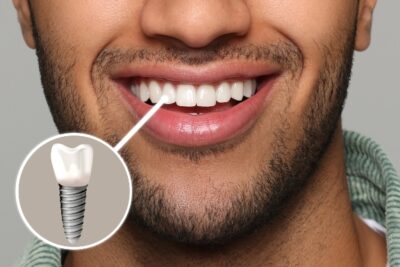
Dental implants are a long-term solution for replacing one or more missing teeth. Choosing an implant dentist to administer treatment is an important decision. An experienced dentist can ensure a successful treatment process and long-lasting results. When trying to find an implant dentist to effectively perform this procedure, you should consider the following factors.

Experience and credentials

One of the most important aspects of choosing an implant dentist is evaluating their experience and credentials. A qualified professional should have specialized training in implant dentistry and...

(Read More)

Cosmetic Reasons for Getting Dental Crowns

December 1, 2025

Cosmetic Reasons for Getting Dental Crowns from Integrity Family Dental in Denver, CO

Dental crowns can restore your smile. These restorations can bring back your normal dental function at the same time. Understanding the reasons to get caps to improve your looks can motivate you to set an appointment. Here are the cosmetic reasons for getting dental crowns.

Keeps teeth intact

Severe decay deteriorates the enamel. This condition weakens the dental structure. With large fillings, the tooth has minimal natural dental structure. Teeth that have gone through root canal therapy become weaker as well.

Placing dental crowns on teeth with large...

(Read More)

Visiting A Cosmetic Dentist: From Beginning to End

December 1, 2025

Cosmetic Dentistry Denver, CO

A visit to a cosmetic dentist is the first step in improving your smile. These dental professionals offer a range of services designed to enhance the appearance of teeth, gums, and bite alignment. Whether you want to remove stains, reshape teeth, or create a more symmetrical smile, the process starts with a thorough consultation and a personalized treatment plan to give you an idea of what to expect.

The initial consultation

The process begins with an initial consultation. During this appointment, the cosmetic dentist conducts a comprehensive examination of the teeth, gums, and facial structure. This may include X-rays, photographs, and digital scans to assess the current condition and plan appropriate treatment. The patient can also use this time to discuss their concerns, such as stained teeth, misalignment, gaps, or chipped enamel. The cosmetic dentist will then evaluate whether the patient is a candidate for cosmetic procedures and explain their available options.

This consultation also provides an opportunity for the cosmetic dentist to review the patient's medical history and understand their oral hygiene habits. They will ask the patient about their lifestyle factors that may affect the long-term results of the treatment. A clear and realistic discussion about patient expectations, treatment timelines, and budget considerations is an essential part of this initial appointment.

Designing the treatment plan

After the consultation, the dentist will develop a personalized treatment plan tailored to your specific needs. This plan outlines each procedure the patient needs to achieve their desired result, including the number of appointments, expected duration, and any preparatory work they need beforehand. Individuals with underlying dental issues, such as cavities or gum disease, may need to address those concerns before receiving cosmetic dental treatment.

Common cosmetic dental procedures

Cosmetic dentists offer a variety of procedures. Each one addresses a specific concern and is selected based on the patient's unique dental needs and treatment goals. Common services include:

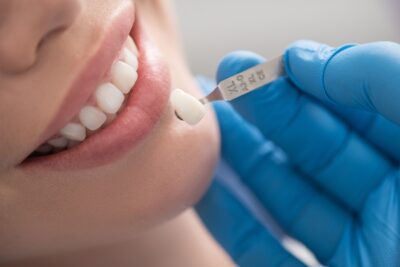
  • Teeth whitening: Professional teeth whitening involves the dentist removing surface stains and brightening the overall shade of the patient's teeth. In-office and take-home treatments deliver quicker and more noticeable results than over-the-counter whitening options.
  • Dental bonding: For issues such as minor cracks or misshapen teeth, bonding uses a tooth-colored resin material to sculpt and improve the appearance.
  • Porcelain veneers: Similar to bonding, veneers are thin shells bonded to the front surface of the teeth to correct chips, gaps, and discoloration. However, they do require permanent alterations to the patient's tooth enamel.
  • Gum contouring: A cosmetic dentist may recommend reshaping the gumline to improve symmetry or reduce a "gummy" smile.
  • Clear aligners: To address mild to moderate misalignment, clear aligners gradually reposition teeth without the visibility of traditional braces.

For patients with several cosmetic concerns, the dentist may recommend a smile makeover. This service combines two or more of the above treatments to transform the patient's smile.

The treatment process

Depending on the complexity of the patient's treatment plan, the cosmetic dentist may complete it in one session or over several visits. For example, simple and non-invasive procedures, such as whitening or bonding, can often be completed in a single appointment. In contrast, treatments such as veneers or full smile makeovers may require multiple steps, including tooth preparation, digital impressions, temporary placements, and final restorations.

Nevertheless, the cosmetic dentist prioritizes the patient's comfort and safety throughout the entire process. Using high-quality materials and advanced dental technology helps ensure that restorations not only look natural but also function properly.

Aftercare and maintenance

Following cosmetic treatment, the patient should follow the dentist's aftercare instructions. These typically include:

  • Adjusted oral hygiene
  • Dietary restrictions
  • Follow-up appointments
  • Avoiding smoking and other tobacco use
  • Grinding teeth or using them as tools

Following these instructions prolongs the appearance and durability of the patient's improved smile.

Some cosmetic procedures may require periodic touch-ups or maintenance to maintain their appearance. For example, the results from teeth whitening can fade over time and may benefit from occasional refresh treatments. In other cases, the patient may need to have their veneers or dental bonding repaired or replaced, depending on their oral hygiene habits and the general wear of their cosmetic treatment.

Schedule a visit with a cosmetic dentist today

Are you looking to improve your smile? The Integrity Family Dental team is here to guide you through the entire process, ensuring a positive experience and achieving the best possible results. Call our Denver to learn more about our services or to schedule a consultation.

Request an appointment here: https://www.integrityfamilydentist.com/blog/ or call Integrity Family Dental at (303) 337-3000 for an appointment in our Denver office.

Check out what others are saying about our dental services on Yelp: Cosmetic Dentist in Denver, CO.

Choosing Between Dental Crowns and Veneers

November 23, 2025

Choosing Between Dental Crowns and Veneers from Integrity Family Dental in Denver, CO

When it comes to enhancing the smile or addressing dental issues, dental crowns and veneers are popular options that offer great results. Both serve different purposes and have unique advantages. It helps to understand the distinctions between the two so you can decide which option is best suited for your specific needs.

Dental crowns vs. dental veneers: Which is the better option?

Dental crowns and veneers have many similarities, and they both improve the appearance of natural teeth. However, there are differences worth considering, which we discuss here.

...

(Read More)

3 Ways to Help Manage Dental Anxiety Before an Appointment

November 17, 2025

Dental Anxiety Denver, CO

For many people, dental anxiety is a significant barrier to getting the care they need, leading to more serious oral health issues. This fear or stress around dental visits can range from mild nervousness to intense apprehension, making it hard to schedule an appointment. However, understanding dental anxiety and learning how to manage it can help ensure you get the dental care you need to maintain your oral health.

About dental anxiety and its causes

Dental anxiety refers to feelings of fear, stress, or unease related to dental appointments or procedures. It affects people of all ages and can result in avoiding dental care altogether. Eventually, this avoidance can create a cycle of fear and delayed treatment, leading to worsening oral health issues.

Causes of dental anxiety can vary by patient and can be related to a combination of factors. Frequent reasons for this anxiety include fear of pain, which may stem from past dental experiences, and a general dislike of needles or dental instruments. Some patients feel nervous about losing control when sitting in the dental chair, as they cannot see or predict what is happening. For others, the sounds and smells of the dental office can be unsettling, and some patients report feeling self-conscious about the dental team seeing the condition of their teeth. Understanding these causes is the first step in addressing dental anxiety and finding ways to overcome it.

The importance of managing dental anxiety

Avoiding dental care can lead to untreated cavities, gum disease, and other serious conditions that may require more complex, expensive, and invasive treatments. Therefore, overcoming dental anxiety helps patients stay on top of regular cleanings and preventive care, reducing the likelihood of these more serious issues.

Addressing dental anxiety can also support overall well-being, as a healthy smile is closely linked to self-esteem and confidence. By managing anxiety and seeking dental care, patients can enjoy improved oral and mental health.

Three helpful ways to manage dental anxiety

1. Open communication with the dentist

Dental professionals are accustomed to working with nervous patients and are committed to creating a comfortable, stress-free environment. Therefore, before the appointment begins, patients should share their concerns and explain any specific triggers that contribute to their anxiety. For example, some individuals may feel nervous about experiencing pain, while others may dislike the sound of dental drills. If the dental team is aware of these triggers, they can adapt their treatment to the patient’s needs. Other solutions dentists can offer include explaining each step of the procedure in advance or providing frequent breaks during treatment. For those who need additional support, options like sedation dentistry or numbing agents can help create a calm and comfortable experience.

2. Practice relaxation techniques

Relaxation techniques are powerful tools for reducing dental anxiety. Deep breathing is one of the simplest and most effective methods. By focusing on slow, controlled breaths, patients can calm their nervous system and reduce feelings of tension.

Progressive muscle relaxation is another helpful technique. This technique involves tensing and relaxing different muscle groups, starting with the toes and gradually moving through the body. Practicing this method at home or in the waiting room can help patients feel more at ease before the appointment.

Guided imagery is also effective for managing dental anxiety. Patients can close their eyes and visualize a peaceful, soothing setting like a beach or quiet forest. Concentrating on positive imagery distracts the mind from anxious thoughts.

3. Bring comfort items or distractions

Comfort items or distractions can make the experience more manageable. For example, children find bringing a favorite blanket or stuffed animal provides a sense of familiarity and reassurance. While adult patients might find comfort in listening to music or a podcast during the procedure. Many dental offices allow patients to bring headphones and listen to their preferred audio. Also, noise-canceling headphones can help block out the sounds of dental instruments, which are a common trigger for anxiety.

Having a trusted friend or family member accompany some patients can provide additional support. Knowing someone familiar is nearby can create a sense of security and calm. Younger patients, especially, benefit from having a parent, guardian, or family member present.

Get the dental care you need

Dental anxiety does not have to prevent patients from receiving the care they need. Patients can take control of their dental care by understanding its causes and adopting these strategies. Call us today if you want to work with a supportive dental team that ensures that every appointment is as stress-free as possible.

Request an appointment here: https://www.integrityfamilydentist.com/blog/ or call Integrity Family Dental at (303) 337-3000 for an appointment in our Denver office.

Check out what others are saying about our dental services on Yelp: Dental Anxiety in Denver, CO.

When Are Dental Crowns Necessary?

November 16, 2025

When Are Dental Crowns Necessary? from Integrity Family Dental in Denver, CO

Curious about when dental crowns are needed? Read on to learn more about this type of dental restoration. Oral health is often indicative of one’s overall well-being. Although teeth are strong, they are susceptible to many problems that can weaken them. Dental crowns are the treatment of choice for such cases. These tooth-shaped caps fit over the teeth and have two purposes: protection and aesthetics.

An overview of dental crowns

Dental crowns are prosthetic devices at their most fundamental level. These crowns completely cover the tooth, and once cemented...

(Read More)

Dental Restoration: Restoring Strength, Function, and Beauty to Your Smile

November 10, 2025

Dental Restorations Denver, CO

Dental restoration refers to treatments focused on repairing or replacing damaged teeth, restoring their strength and appearance. When teeth become damaged, decayed, or lost, it affects daily activities such as eating and speaking while also increasing the risk of further oral health issues. A healthy smile is more than just an aesthetic feature; it is crucial for overall well-being, functionality, and even confidence.

Understanding dental restoration and its importance

Dental restoration encompasses various treatments designed to restore the integrity of teeth compromised from decay, injury, or wear. By addressing these concerns, dental professionals help preserve the natural structure of the teeth while improving function. When damaged teeth are left untreated, the surrounding teeth and gums may also be affected, leading to more extensive issues over time.

Restorative treatments improve tooth strength and contribute to better oral hygiene. A compromised tooth often harbors bacteria in areas that are difficult to clean, increasing the risk of infections or further decay. Restoring the tooth's structure and function protects the surrounding tissues and teeth, ensuring a healthier mouth overall.

Types of dental restoration for strength and function

Various techniques are available to restore damaged teeth, each serving a specific purpose based on the extent of the damage. A suitable dental restoration can enhance durability and function if a tooth has minor decay or is completely missing. For example, dental fillings are reliable for teeth with cavities or minor structural damage. They reinforce the tooth by sealing areas weakened by decay, preventing further damage. Dentists commonly use composite fillings due to their natural appearance and ability to blend seamlessly with surrounding teeth.

For more extensive damage, dental crowns may be necessary to provide full coverage and protection. A crown encapsulates the affected tooth, restoring its original shape and strength. Dentists often recommend these restorations for teeth that have undergone root canal treatment, experienced severe fractures, or been structurally weakened due to decay.

When teeth are lost, dental bridges, dentures, and implants are viable solutions to restore function while maintaining alignment within the dental arch. A bridge is a fixed restoration that replaces missing teeth by anchoring to adjacent teeth, preventing shifting and bite misalignment. Dentures are for those missing most or all their teeth on one or both arches. They require a bonding adhesive that the patient will use daily to secure the appliance in place. On the other hand, dental implants provide a long-term solution by replacing both the root and crown of a missing tooth, preserving jawbone health and maintaining stability.

Benefits of dental restoration

While the primary goal of dental restoration is to restore function and strength, these treatments also provide aesthetic improvements. A healthy smile enhances confidence and allows individuals to interact more comfortably in social and professional settings. Modern restorative materials closely resemble natural tooth enamel, ensuring that restorations blend seamlessly with surrounding teeth.

Discoloration, uneven surfaces, or noticeable gaps resulting from missing teeth can make some people feel self-conscious about their smiles. With advancements in dental technology, restorations such as veneers, bonding, and crowns offer solutions that improve appearance while maintaining a natural look. By restoring the shape, size, and color of teeth, these treatments help achieve a balanced and visually appealing smile.

Beyond aesthetics and the psychological benefits of dental restoration, undergoing a procedure can also impact overall health. Oral health is closely linked to general well-being, as untreated dental issues can contribute to systemic concerns such as infections, cardiovascular disease, and poor nutrition. By restoring teeth to their optimal condition, individuals support their overall health while preventing complications that may arise from untreated dental problems.

Choosing the right dental restoration

Each person's oral health needs are unique, requiring a personalized approach to dental restoration. A thorough examination allows the dentist to assess the condition of teeth and determine the most appropriate treatment options. Factors such as the extent of damage, the location of affected teeth, and long-term goals are considered when developing a comprehensive restoration plan.

Dental materials and technology advancements have made restorative treatments more durable, comfortable, and natural-looking than ever before. Digital imaging, precise fabrication techniques, and biocompatible materials contribute to results that feel and function like natural teeth. With guidance from a dentist, individuals can explore treatment options that align with their needs while ensuring long-term success.

Restore your smile at Integrity Family Dental

Investing in dental restoration offers immediate and lasting benefits, improving a smile's strength, function, and aesthetics. Addressing the aforementioned concerns can enhance your ability to chew, speak, and maintain proper oral hygiene. If you are ready to restore your smile, contact Integrity Family Dental today and schedule a consultation.

Request an appointment here: https://www.integrityfamilydentist.com/blog/ or call Integrity Family Dental at (303) 337-3000 for an appointment in our Denver office.

Check out what others are saying about our dental services on Yelp: Dental Restorations in Denver, CO.

When Is a Dental Crown Needed After Cavity Treatment?

November 7, 2025

When Is a Dental Crown Needed After Cavity Treatment? from Integrity Family Dental in Denver, CO

Dental crowns can treat many dental issues, including cavities. Your dentist will always aim to keep your natural teeth. Placing caps on them can help the dentist do this. Cavities can eat away and weaken teeth. These teeth will need more support after treatments. Here are the details about when dental crowns can help after a cavity treatment.

When there is a need to replace a large damaged or worn-out dental filling

A dentist may recommend dental crowns if the tooth has a filling that...

(Read More)

How to Keep Your Mouth Healthy After a Dental Cleaning

November 3, 2025

Dental Cleaning Denver, CO

Professional dental cleanings are integral for keeping your mouth healthy. They remove plaque and tartar (hardened plaque) that regular brushing and flossing cannot, leaving your teeth and gums refreshed. Maintaining healthy habits that keep your smile bright and strong is essential to make the most of a dental cleaning. Caring for your teeth properly after a professional dental cleaning can extend the benefits and avoid potential threats to your oral health.

The importance of maintaining oral health post-dental cleaning

Professional dental cleaning appointments provide a thorough, deep clean for a patient's teeth and gums, reducing the risk of cavities, gum disease, and other oral health issues. However, the effects of cleaning can diminish if proper care is not taken afterward. Maintaining healthy practices ensures that the teeth and gums stay in top condition between visits. By being proactive, patients can extend the benefits of the cleaning and prevent the need for more extensive treatments in the future.

Commit to a consistent daily oral hygiene routine

After a professional dental cleaning, maintaining a strong oral hygiene routine is critical. Daily brushing and flossing help remove food particles and plaque before they harden into tartar. Dentists recommend a soft—or medium-bristled toothbrush for most patients. These toothbrushes are typically soft enough to avoid damaging the enamel or irritating the gums, but they are strong enough to remove plaque and food debris.

Patients should brush their teeth at least twice daily, preferably with fluoride toothpaste, which strengthens enamel. Flossing once a day is equally important. It removes debris and plaque from between the teeth and along the gumline, areas that are difficult to reach with a toothbrush. Regular flossing reduces the risk of gum disease and makes the mouth feel fresh.

Further, using an antimicrobial mouthwash can provide an additional layer of protection by killing bacteria that cause bad breath and contribute to plaque build-up. After using a toothbrush, this bacteria will likely hide on the tongue. Mouthwash helps to rid the tongue of this bacteria, but dentists also recommend that patients brush their tongues or use a scraper to prevent build-up.

Choose foods that support oral health

Food has a significant impact on oral health. And yes, this goes beyond avoiding sugar. After a dental cleaning, focus on consuming a balanced diet rich in fruits, vegetables, lean proteins, and whole grains. Foods high in calcium, such as dairy products, help strengthen the teeth, while crunchy fruits and vegetables stimulate saliva production, which naturally cleanses the mouth.

Avoiding sugary snacks and beverages is essential, as sugar feeds the bacteria in the mouth, leading to a surplus of plaque build-up and the threat of cavities. Further, patients should also monitor their intake of acidic foods and drinks, such as citrus fruits and carbonated beverages, as they can erode the enamel over time.

Lastly, staying hydrated by drinking plenty of water throughout the day is another effective way to support oral health. Water helps wash away food particles and keeps the mouth moist, reducing the risk of dry mouth and bacterial growth.

Watch for harmful habits

Certain habits can impact the health of teeth and gums. Smoking and using tobacco products, even vaping, can stain the teeth, irritate the gums, and increase the risk of oral cancer. Reducing or quitting these habits can significantly improve patients' overall oral health.

Chewing on hard objects like ice or pens can weaken teeth and make them more susceptible to chipping or cracking. Similarly, using teeth to open packages or perform tasks other than chewing can cause unnecessary damage. Being mindful of these habits can help maintain a healthy smile.

Schedule regular checkups

Although dental cleanings are essential to oral care, they should not replace routine dental checkups. Because dentists often perform them in the same appointment, many incorrectly assume these services are the same. Regular checkups allow the dentist to monitor patients' oral health, catch potential problems early, and provide additional treatments if needed. These appointments also allow patients to ask questions and receive personalized recommendations for maintaining their dental health.

Most dentists follow the American Dental Association's (ADA) recommendation of performing a routine dental checkup every six months or at least twice a year. However, the frequency of visits can vary for each patient, depending on their oral health status. Regardless, keeping up with these visits ensures that patients stay on track with their oral care and maintain the benefits of their cleanings.

Keep your smile bright and healthy

Taking care of your teeth after a dental cleaning is more than just a routine—it is an investment in your long-term oral health. With consistent hygiene habits, a thoughtful diet, and regular dental visits, you can enjoy a healthy smile. If you have questions or concerns about your oral health and wish to schedule an appointment, contact Integrity Family Dental today.

Request an appointment here: https://www.integrityfamilydentist.com/blog/ or call Integrity Family Dental at (303) 337-3000 for an appointment in our Denver office.

Check out what others are saying about our dental services on Yelp: Dental Cleaning and Examinations in Denver, CO.

What Are the Types of Dental Crowns?

October 29, 2025

What Are the Types of Dental Crowns? from Integrity Family Dental in Denver, CO

Dental crowns stand out among dental restorations as versatile and effective solutions for various oral health issues. A dental crown, or “cap,” is designed to cover and encase a damaged or weakened tooth, restoring its strength, function, and appearance.

The 5 most popular types of dental crowns

Over the years, advancements in dental technology have led to the development of various types of dental crowns, each with its unique characteristics and applications. In this guide, we discuss dental crowns, highlighting each of the most common types.

(Read More)