
Integrity Family Dentist Blog

Cavity Treatment: Three Reasons Not to Put it Off

October 7, 2022

General Dentist Denver, CO

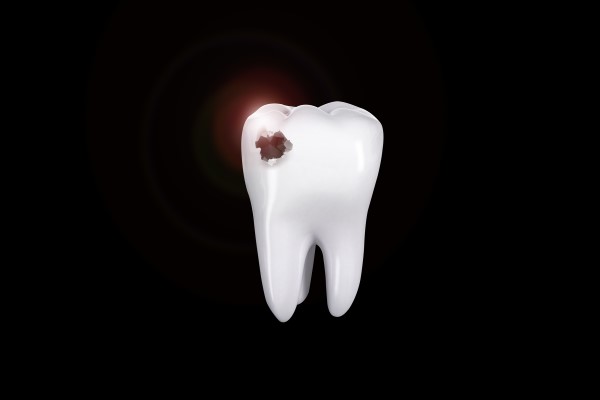
If you suspect you have cavities, you might be wondering how long you can wait before seeking cavity treatment. The simple answer is that the longer you delay restorative dental treatment for tooth decay, the more damage occurs to the teeth. When you notice the toothache or feel a hole in your tooth, you should schedule an appointment immediately. Sometimes, the signs are not so obvious, but the dentist can detect the presence of a cavity and provide treatment before the symptoms become pronounced.

The need for prompt cavity treatment

Patients will hardly notice any pain or sensitivity until the decay spreads from the enamel layer to the dentin. The dentin contains many tiny nerve endings that get irritated and cause sensitivity when consuming sweet, sour, hot, cold or sticky foods. The person may also feel pain when biting or chewing and discover that food particles get stuck around their teeth easily. Here are some of the reasons to get cavity treatment as soon as possible:

Further damage to the tooth’s structure

Once the cavity forms and gets to the dentin layer, it will spread through rapidly because it is softer than the enamel. Root decay will also follow because the cementum shielding the root is not as thick or hard as the enamel. As the decay worsens, the tooth decay will continue and the pain may get more regular and severe. The fact is that a cavity will continue to spread through the tooth until the dentist provides treatment. Delaying treatment for any reason will only allow more damage to occur.

Infection may set in

It is vital to note that infection occurs once decay and bacteria invade the layer of the tooth containing the pulp, which comprises the nerves and blood vessels. Pain from an infected or abscessed tooth can be persistent, debilitating and probably keep the person awake throughout the night.

Other signs of infection include fever, facial swelling and a foul taste in the mouth. Patients may notice pus draining from inflammation around the gums. The consequences can be devastating if the infection spreads into the jawbone and the bloodstream. Once a tooth is infected, a root canal procedure will be necessary to restore it to proper health.

Treatment will be more extensive

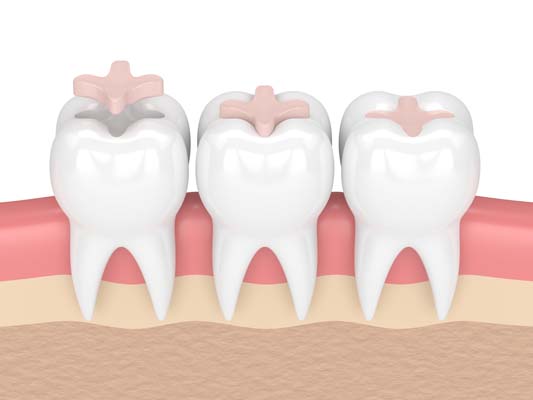
A dental filling is enough for small cavities. This is a minimal option compared to a dental crown because it only replaces the tooth’s structure lost to decay. When tooth decay is severe, a dental crown might be required, which entails modifying the tooth’s structure to make space for the dental crown. Although both options are good for aesthetics and functionality, it is better to preserve the natural tooth structure as much as possible.

In summary

A routine appointment with the dentist can help detect the presence of cavities. The dentist will provide the most appropriate cavity treatment and restore the appearance of your smile. To minimize the potential damage that may result from tooth decay, it is advisable to visit the general dentist as soon as possible.

Request an appointment here: https://www.integrityfamilydentist.com/blog/ or call Integrity Family Dental at 3032428872 for an appointment in our Denver office.

Check out what others are saying about our dental services on Yelp: General Dentist in Denver, CO.
3 Common Dental Restorations After Root Canal Therapy

September 8, 2022

Root Canal Denver, CO

Looking for root canal information? Understanding the root canal process is necessary for those who are in need of root canal therapy to improve their oral health. Part of the process is choosing a restoration option to protect the treated tooth from further damage, as lost teeth need to be replaced. Ready to find out more about three common restoration options?

About root canal therapy

Also known as endodontic treatment, root canals are performed in order to remove an infection in a tooth. The procedure requires a general dentist to remove the infected tissue from the tooth, which also often requires the removal of a portion of the tooth. This removal can make the tooth weaker, which is why it is essential for treated teeth to undergo a dental restoration to make the tooth stronger.

3 Dental restoration options

The list below delineates three common dental restorations that are used to make teeth stronger after one undergoes root canal therapy.

1. Dental crowns

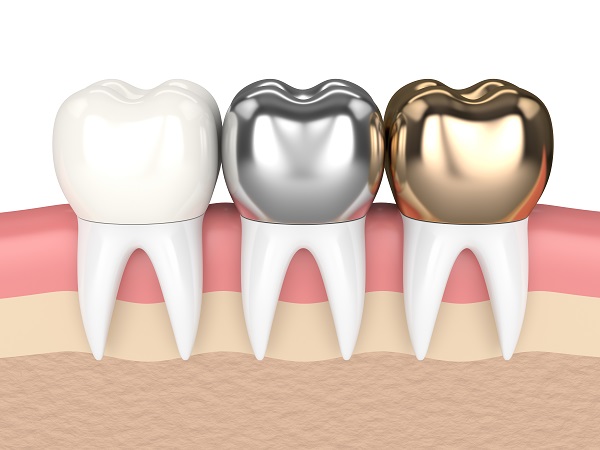
Dental crowns are one of the more frequently used dental restorations for a tooth that has undergone the root canal process. There are a few different types of dental crowns patients can choose from, including metal crowns, all-ceramic crowns and metal-ceramic crowns. Dental crown placement is ideal to both support and protect a treated tooth, as well as helps to ensure that the tooth will not become infected again. With proper oral care, dental crowns tend to last somewhere between 15 and 25 years.

2. Dental inlays

A dental inlay is a type of dental restoration that goes inside of a tooth and helps to strengthen a tooth when a part of the tooth has been hollowed out. Dental inlays are bonded to a tooth and can be made using tooth-colored materials. Since many dental patients are concerned about how any dental restorations will look once placed in their mouth, patients are deciding to choose more natural-looking materials, like ceramic and porcelain.

3. Dental onlays

A dental onlay is a type of dental restoration that is placed over the cusps of a tooth with the goal of rebuilding the structure of the tooth in order to make it stronger. Dental onlays are cemented onto a tooth, allowing this dental restoration to become a large part of the tooth, giving it the durability it needs to stay in the mouth. When it comes to onlay material options, porcelain, gold and resin are three of the more commonly used materials.

In need of a dental restoration?

Is a root canal in your need future? The fact that root canals save teeth makes this dental treatment one that is often necessary. Now that the above information has been read, it is understood that a treated tooth needs to be restored after undergoing a root canal procedure. Since there are different restoration options, patients can discuss their choices with a general dentist, who will guide them in the right direction.

Request an appointment here: https://www.integrityfamilydentist.com/blog/ or call Integrity Family Dental at (303) 337-3000 for an appointment in our Denver office.

Check out what others are saying about our dental services on Yelp: Root Canal in Denver, CO.

What Does a Kid Friendly Dentist do?

August 5, 2022

Kid Friendly Dentist Denver, CO

Kid friendly dentist offer a range of services to improve oral health for children. This includes preventive and restorative care. Many also offer select cosmetic treatments and orthodontic services such as braces and clear aligners. Of course, every kid-friendly dentist has a unique set of services that they offer. 

The purpose of a kid-friendly dentist and the treatments they offer

Kid-friendly dentists offer services for children, whereas many general dentists primarily focus on treating adult patients. The following is a complete review of what a kid-friendly dentist is, the types of treatments that they offer, and when to visit them. 

What is a kid-friendly dentist?

A kid-friendly dentist is a licensed dental professional that chooses to focus their services on helping parents and younger patients. The benefits of visiting a kid-friendly dentist include:

  • Friendly environment
  • Specialized services
  • Effective communication
  • Long-term care
  • Focus on prevention

Of course, kid-friendly dentists may also treat patients as well, and some operate under other titles such as “family dentist” or “general dentist” but have a reputation in their local community for being good working with children. 

Types of treatments kid-friendly dentists offer

Kid-friendly dentists typically offer a range of services. In addition to most general services that are offered to adults, kid-friendly dentists may offer treatments more specific to children such as dental sealants or early orthodontic care. They generally focus on several areas of dentistry, including:

  • Diagnostic services
  • Preventive care
  • Restorative care
  • Orthodontic services

Many also offer cosmetic solutions such as teeth whitening, although they may not offer certain cosmetic treatments to younger children. Some may also offer emergency dentistry services, as well. 

When to visit a kid-friendly dentist

Parents are encouraged to take their child to the dentist once every four to six months. If they are going through certain treatments then they may be asked to visit more often. Regular check-up visits and cleanings are important for preventing oral health concerns. 

How a kid-friendly dentist can keep children calm

One thing that separates kid-friendly dentists from other dental professionals is the ability to work well with children and keep them calm and relaxed during treatment. This is often accomplished by having a staff that is friendly and communicates well with children, offering a fun and friendly environment that consists of fun office colors and play areas, and more. 

The importance of regular visits with a kid-friendly dentist

Check-up visits are important as they provide an opportunity for the dentist to assess the child’s oral health for any notable changes. They can also provide a dental cleaning during regular visits to remove plaque and tartar buildup and keep teeth clean and healthy long-term. 

Talk to a kid-friendly dentist about treatment

Children are encouraged to visit the dentist once every four to six months for a routine check-up visit. If your child is due for their next dental visit or has oral health concerns that need to be addressed, then contact our dental practice today to set up a convenient time for a visit.

Are you considering a kid-friendly dentist in the Denver area? Get more information at https://www.integrityfamilydentist.com/blog/.

Check out what others are saying about our dental services on Yelp: Kid Friendly Dentist in Denver, CO.

Can Dental Sealants Be Used for Adults?

July 12, 2022

Dental Sealants Denver, CO

Dental sealants are an effective preventive treatment against tooth decay that are commonly associated with children and young adults. But what about adults? Continue reading to learn about dental sealants for adults and the purpose the treatment serves.

Dental sealants for adults

Tooth decay and gum disease are the major causes of tooth loss in adults. The two conditions are aided by inadequate oral hygiene. People can reduce the risk of developing oral health issues by adopting a good oral hygiene regimen of brushing, flossing and a good diet. However, a person's genes are also a contributing factor. Some adults are susceptible to decay and will get cavities no matter how well they care for their teeth. Nevertheless, most of the tooth decay occurrences in adults are caused by poor oral hygiene.

Not everyone is the same. Adults who continuously find themselves dealing with decayed teeth can discuss dental sealants with a dentist. Dental sealants shield the teeth with a transparent, thin plastic barrier that covers the entire surface of teeth to keep plaque and bacteria out. The chewing surfaces of the molars and premolars are prime areas for sealants because the grooves (pits and fissures) tend to trap food particles, which become hotspots for bacteria to accumulate.

Applying dental sealants

Dental sealant treatment is easy, painless and fast. First, the dentist will clean the teeth thoroughly and dry the surface. Afterward, they will apply an acidic etching gel that mildly abrades the tooth's surface to improve the sealant's adherence to the tooth. After a few minutes, the dental professional will wash the gel off and dry the tooth again before applying the sealant.

Before applying the sealant, the dentist will use a dental dam of cotton or gauze to barricade the tooth and keep saliva out because the tooth needs to be dry for the process. The resin material is more common among dentists, but another process called "autopolymerization" may also be used. The dentist will use a brush or small syringe to paint the tooth with the sealant. In liquid form, the sealant spreads through every nook and crevice of the tooth. It is important to apply the sealant evenly while leaving no part untouched.

The sealant will harden. For resin sealants, a curing light may be used. The dentist will ensure the sealant does not affect the patient's bite. The entire process takes between five and 10 minutes per tooth.

The benefits

While dental sealants may be used primarily for children, they offer unique benefits to adults too. Getting dental sealants for the teeth costs significantly less than having a cavity filled. A sealant is up to 80 percent effective against tooth decay in molars. That percentage means brushing, flossing and dental checkups are still necessary, but implementing this preventive care makes it less likely for lapses in oral care to result in decay.

Final note

Dental sealants can protect the tooth for up to 10 years. In that time, you will have saved yourself from potential tooth loss or undergoing expensive dental procedures to keep your teeth. If you are an adult and would like to get dental sealants, talk to your dentist for more information.

Request an appointment here: https://www.integrityfamilydentist.com/blog/ or call Integrity Family Dental at (303) 337-3000 for an appointment in our Denver office.

Check out what others are saying about our dental services on Yelp: Dental Sealants in Denver, CO.

How Many Missing Teeth Can a Dental Bridge Replace?

June 3, 2022

Dental Bridges Denver, CO

When it comes to replacing missing teeth, you can choose between options like a dental bridge and dental implants. The last thing you want to do is leave the missing teeth unreplaced as it can have undesirable consequences on oral health. This article explains what a dental bridge is, how it works, and how many teeth can be restored at one time.

Replacing missing teeth with a dental bridge

One of the questions patients often have is related to the number of teeth that can be replaced with a dental bridge. The answer to this is complicated since there are different kinds of scenarios that could play out. The application of a dental bridge depends on the patient’s age, bite, and the condition of the adjacent teeth.

For resin-bonded bridges, only one tooth is ideal for the highest rate of success. For regular bridges, it is possible to have a larger number of missing teeth — the dentist can have six teeth on the bridgework connected to two teeth. To get more information on what is possible, patients will need to discuss with the dentist and undergo a dental evaluation. Any tooth on the jaw can be replaced with a bridge, but it is preferable to use them for front teeth where there is minimal use of chewing force.

Types of dental bridges

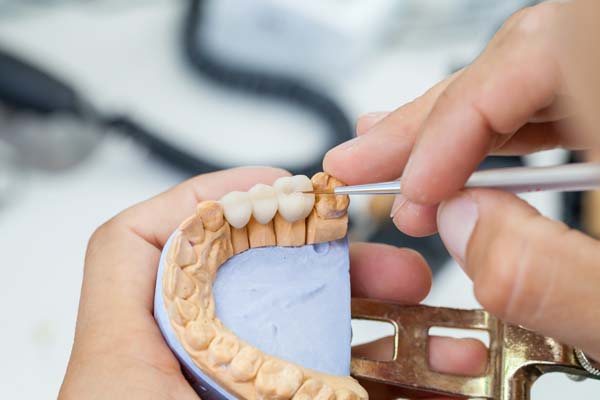
A conventional bridge involves the use of crowns to hold the bridge in place. It requires filing down two adjacent teeth to anchor the bridge. This type of bridge is effective because it has a high success rate, but some tooth preparation will be necessary. If the teeth on either side already have crowns or need it, even better.

Another type of dental bridge is the adhesive bridge. With recent improvements in dental technology, the dental cement used for bonding is stronger. This allows the dentist to bond the false tooth to existing natural teeth without removing part of their structure. This type of bridge, also called resin-retained bridges, is more conservative. However, they can only be used in certain conditions and are not practical for the back teeth.

The process of getting a dental bridge

The dentist will assess the patient’s situation, take scans, and then talk about the different options, as well as their benefits and drawbacks. With the proper information, patients can decide the best option for them.

The dentist will prepare the teeth (if necessary) before taking impressions that will be used to fabricate a custom dental bridge. The final step entails examining the final bridge to verify that the fit, build, bite, and aesthetics are according to specifications. Once the dental bridge is cemented, the dentist will provide instructions on maintenance.

Do you currently have missing teeth?

When constructed properly, a dental bridge can survive several years of use. The type of bridge used typically determines the number of teeth that can be replaced at once by the bridge. The goal of treatment is to ensure that the final restoration has adequate support on the jaw to handle day-to-day dental functions. If you would like to find out more about this tooth replacement option, contact our dental office today to book an appointment.

Request an appointment here: https://www.integrityfamilydentist.com/blog/ or call Integrity Family Dental at (303) 337-3000 for an appointment in our Denver office.

Check out what others are saying about our dental services on Yelp: Dental Bridges in Denver, CO.

How Good Oral Health Can Improve Heart Health

May 6, 2022

How Good Oral Health Can Improve Heart Health from Integrity Family Dental in Denver, CO

A general dentist often focuses on the importance of oral hygiene and how it can help the overall health of patients. There are many patients who are unaware of the impact that oral health can have on the heart’s health. The following explains how poor oral hygiene may be connected to the development of heart issues.

The connection between oral and heart health

Oral health has been shown to have an effect on a patient’s heart health. Poor oral hygiene can result in gum disease. In...

(Read More)

What Are Veneers Made Of?

May 5, 2022

Veneers Denver, CO

There are numerous reasons a dentist may recommend veneers to a patient. For some, it is a cosmetic option that results in a whiter, more even smile. For others, veneers can be used to repair chipped or cracked teeth for durable and natural-looking results. This popular treatment option is usually made from either composite resin or porcelain. Understanding each option can help patients make the right decision for their dental health.

Dental veneer materials

Regardless of the chosen material, all dental veneers are crafted into thin coverings that are permanently attached to the front of the affected teeth. Patients can choose between porcelain and composite based on preferences and needs. The same type of care is required for both to maintain durability and overall dental health. All types of dental veneers require:

  • Careful, consistent brushing and flossing on a daily basis
  • Routine dental checkups and cleanings every six months
  • Avoiding foods that can stain the materials, such as beets, red wine, and coffee
  • Eliminating habits that can damage veneers, such as chewing on foreign objects

Failure to practice proper care can cause porcelain and composite veneers to stain, chip, crack, or come loose.

Porcelain

This type of veneer tends to have the most natural appearance as a finished product, making it a popular choice for both cosmetic and repair treatments. Porcelain, also referred to as ceramic, reflects light naturally and is particularly resistant to staining, making it an excellent long-term solution. In general, porcelain veneers are very strong and can last anywhere from 10 to 20 years with good hygiene and health.

Applying porcelain veneers

First, the dentist will prep the affected teeth by removing the outer enamel layer. Next, impressions are made to create coverings that are customized to fit the patient's unique smile. It can take a few weeks for production so temporary veneers may be placed during this time. Once the veneers are finished, the dentist will permanently bond each covering to each tooth. Finally, the dentist will reshape and polish as needed to achieve the desired results. Due to the nature of the application process, treatment with porcelain veneers is irreversible.

Composite resin

Veneers made of this material can still create a beautiful finished product. However, composite materials are less durable and last only five to seven years. The application process for composite veneers is less invasive and may work well for some patients. In addition, composite resin is much easier to repair than porcelain. With no enamel removal required, a dentist will apply a pliable version of the material to the teeth and then set it with a high-intensity dental light. Then, the veneer is polished and shaped to appear like the natural covering of a healthy tooth.

Conclusion

While there are pros and cons to each option, a dentist can help recommend which material is right for a patient's dental needs. Whether you choose porcelain or composite, you can enjoy a functional and more beautiful smile with dental veneers.

Request an appointment here: https://www.integrityfamilydentist.com/blog/ or call Integrity Family Dental at (303) 337-3000 for an appointment in our Denver office.

Check out what others are saying about our dental services on Yelp: Dental Veneers and Dental Laminates in Denver, CO.

How Does One Become a General Dentist

April 27, 2022

How Does One Become a General Dentist from Integrity Family Dental in Denver, CO

A general dentist is a professional in a position of enormous trust. A dentist’s duties include diagnosing and sometimes treating conditions of the mouth to relieve oral pain, as well as performing prophylactic treatment to prevent dental conditions. Becoming a dentist involves meeting requirements set by the state to obtain a dental license. To get to that point, a person wishing to become a dentist must undergo extensive education and training to receive an advanced degree.

General dentist requirements

It is illegal to practice dentistry without a...

(Read More)

What if a General Dentist Does Not Treat an Abscessed Tooth

April 20, 2022

What if a General Dentist Does Not Treat an Abscessed Tooth from Integrity Family Dental in Denver, CO

A general dentist is frequently called upon to diagnose and treat dental abscesses. Failure to get treatment for this infection can have serious health consequences.

When to seek treatment for an abscess

A tooth is said to be abscessed when a pocket of pus forms due to a bacterial infection. Patients who exhibit symptoms of an abscess should see a dental professional.

Abscess symptoms

People experiencing swelling of the face and fever or difficulty breathing or swallowing should seek immediate medical treatment...

(Read More)

Ask a General Dentist: Is a Tooth Dead After a Root Canal

April 14, 2022

Ask a General Dentist: Is a Tooth Dead After a Root Canal from Integrity Family Dental in Denver, CO

There is no need to fear if your general dentist has recommended root canal treatment. This dental procedure is performed on millions of patients every year and is similar to a routine filling. It is a beneficial procedure that saves a tooth that has become infected or damaged. Many patients wonder if the tooth is dead after the treatment is completed. The answer to this question lies in understanding the anatomy of a tooth and the root canal process.

Anatomy of a tooth

...

(Read More)