
Integrity Family Dentist Blog

Implant Dentist: The First Steps to Take After Damaging a Dental Implant

April 15, 2026

Implant Dentist: The First Steps to Take After Damaging a Dental Implant from Integrity Family Dental in Denver, CO

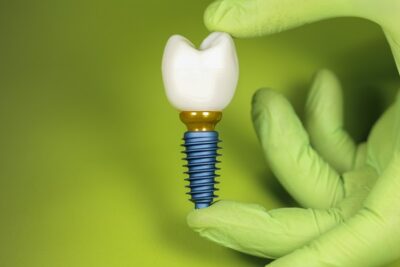
An implant dentist often provides crucial support when a dental implant sustains damage that could lead to infections, misalignment, or even jawbone deterioration. An immediate response can preserve oral health and maintain the long-term stability of a restoration. Delaying care can lead to more involved procedures and potentially compromise oral function. Below are the critical first steps you should take if you suspect implant damage.

Examine the damage and maintain a clean environment

Inspecting the injured area closely is essential...

(Read More)

Dental Fillings vs. Crowns: How to Determine Which One You Need

April 15, 2026

Dental Filling Denver, CO

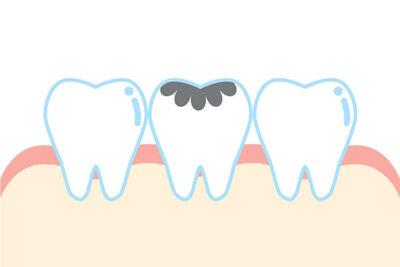
When treating a damaged or decayed tooth, a dentist may recommend either a dental filling or a crown, depending on the extent of the damage. A dental filling is often used to repair small cavities or areas of minor tooth decay, while a crown is typically needed for more significant structural restoration. Understanding the differences between the two can help patients make informed decisions about their treatment.

What is a dental filling?

A dental filling involves removing decayed material from the tooth and replacing it with a durable material such as composite resin, amalgam, gold, or porcelain. This procedure helps restore the tooth’s shape and function while preventing further decay. Fillings are most effective when the damage is minimal, and the remaining tooth structure is strong enough to support the restoration.

Fillings are commonly used in cases such as small to moderate cavities, slight chips or cracks, and minor wear from grinding or acidic erosion.

Since the procedure is less invasive, it often requires minimal tooth preparation and can usually be completed in a single visit.

When is a crown necessary?

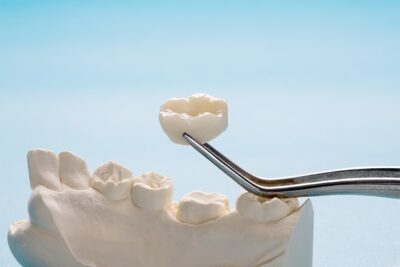
A dental crown, also known as a cap, is a full-coverage restoration that fits over the entire visible portion of a tooth. Crowns are recommended when a tooth is too damaged or weakened to hold a dental filling securely. This includes situations where decay is extensive, the tooth has undergone a root canal, or a large portion of the tooth structure is missing.

Crowns offer added strength and protection for:

  • Severely decayed or broken teeth
  • Teeth with large, worn-down fillings
  • Cracked or fractured teeth at risk of splitting
  • Teeth restored with implants or bridges

Crowns are custom-made to match the color, shape, and size of surrounding teeth, helping restore both appearance and function.

How dentists determine the right option

Both options aim to restore health and function, but choosing the right one can prevent future complications and preserve long-term oral stability. The choice between a dental filling and a crown depends on the size and location of the damage, the strength of the remaining tooth, and the long-term prognosis of the restoration. Dentists use X-rays and visual examinations to assess the condition and recommend the most conservative yet effective solution.

Preserving as much natural tooth structure as possible is ideal in many cases. A filling is typically chosen if the decay has not compromised the overall stability of the tooth. However, if there is a fracture risk or failure with a filling, a crown may be the more appropriate option to ensure durability and longevity.

Protecting your restored tooth

Proper care is essential to maintain oral health, whether a tooth is treated with a dental filling or a crown. Regular brushing, flossing, and professional checkups help prevent future problems and extend the life of the restoration. For more information or to schedule a consultation, call Integrity Family Dental at (303) 337-3000.

To schedule a consultation, request an appointment on our website at https://www.integrityfamilydentist.com/blog/ or call Integrity Family Dental at (303) 337-3000 for an appointment in our Denver office.

Check out what others are saying about our dental services on Yelp: Composite Fillings in Denver, CO.

3 Ways an Implant Dentist Will Help You Take Care of Your Smile

April 8, 2026

3 Ways an Implant Dentist Will Help You Take Care of Your Smile from Integrity Family Dental in Denver, CO

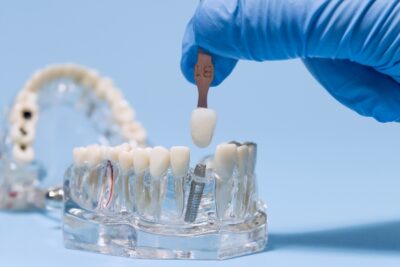
A healthy and complete smile contributes to confidence, oral function, and overall well-being. When missing teeth affect daily life, an implant dentist offers solutions that restore both the appearance and functionality of the smile. Unlike traditional tooth replacement options, dental implants provide long-term stability by fusing with the jawbone. Seeking the expertise of an implant dentist ensures that gaps in the smile are properly addressed while promoting optimal oral health.

When to see an implant dentist

Dental implants mimic tooth roots...

(Read More)

Dental Crown Solutions: Strengthening and Protecting Damaged Teeth

April 1, 2026

Dental Crown Denver, CO

A dental crown restores the strength, shape, and comfort of a tooth that is cracked, worn, or heavily filled. This custom cap covers the entire visible surface to protect what remains. With modern materials and careful planning, a crown blends with nearby teeth and supports confident chewing. Understanding options and steps makes the decision clearer and less stressful.

Understanding dental crowns

A dental crown works like a protective helmet for a tooth. It surrounds weakened structures to prevent further chips, fractures, or painful sensitivity. The crown also restores natural contours so the bite meets evenly, which reduces strain on the jaw and neighboring teeth. For many people, this single solution brings function, comfort, and a smooth, natural look.

Dental crown materials and aesthetics

Today's dental crowns comprise strong, lifelike materials. Porcelain and high-strength ceramics reflect light like enamel and resist stains from coffee or tea. For back teeth that carry heavy forces, zirconia, or porcelain-fused-to-metal (PFM) can add extra durability. Shade matching and careful contouring help the new surface blend in so the restored tooth looks like it belongs.

When a crown makes sense

Dental crowns support both health and appearance. A provider may recommend this option if a tooth shows one or more of the following:

  • Large cracks, deep wear, or wide fillings that weaken the walls
  • Sensitivity from enamel loss or root canal treatment
  • Misshapen or severely stained enamel that does not respond to whitening

By stabilizing the tooth early, a dental crown can help prevent emergency breaks and more complex procedures.

Treatment planning

Before the dentist schedules the dental crown appointment, patients must approve the treatment plan with an office team member. Fees vary depending on the materials, location in the mouth, and any supporting procedures, such as build-up for deep cavities. A written estimate and sequence of visits make planning easier. Insurance often contributes to the cost of medically necessary crowns, but this is on a per-case basis, and the dental team helps verify final cost information.

The dental crown treatment process

Care begins with a comprehensive exam and imaging to confirm that a dental crown is the most suitable choice. The dentist shapes the tooth to create room for the material, then a precise scan or impression records every detail. A temporary crown protects the tooth while a dental lab crafts the final restoration.

At delivery, which is approximately two weeks later, the dentist will remove the temporary crown and test the fit and bite of the permanent one. Once both the patient and dentist are happy, the dentist bonds the permanent one in place.

Dental crowns offer comfort

Modern techniques focus on comfort from start to finish. Local anesthesia keeps the tooth numb, and gentle isolation keeps the area dry, ensuring accurate placement. Dentists carefully inspect bite marks to prevent high spots that could cause soreness. If sensitivity occurs while the tooth is adapting, it usually improves as the bite becomes more even and the tissues calm.

Caring for dental crowns

Daily habits protect both the crown and the gumline that seals it. Simple, steady care extends longevity and keeps the edge clean:

  • Brush twice daily
  • Floss nightly
  • Avoid chewing ice, biting inanimate objects, and opening packages or bottles with teeth
  • Wear a sports or nightguard when appropriate if grinding or clenching is an issue

With routine checkups and professional polishing, a dental crown can stay smooth, comfortable, and bright for many years.

Long-term value

A crown does more than improve appearance. It helps control future costs by preventing cracks that lead to fractures or repeat repairs. Balanced chewing helps protect the jaw and reduces stress on neighboring teeth. Regular maintenance visits enable early adjustments, keeping the restoration comfortable and extending its lifespan.

How dental crowns compare to other options

Everyone's mouth is different, so it helps to understand alternatives. Bonding or onlays may work for smaller defects when strong enamel remains. Veneers focus on front-tooth appearance and do not cover the entire surface. When a tooth is missing, a dental implant with a crown or a bridge fills the space. The dentist weighs the remaining structure, bite forces, and aesthetic goals to choose the most conservative option that remains safe and durable.

Schedule an appointment

A dental crown provides dependable protection and a natural appearance when a tooth requires full coverage support. By reinforcing weakened structure, balancing the bite, and matching nearby teeth, it restores everyday comfort, function, and aesthetics. If you are interested in learning more about dental crowns or want to determine if they are the best restoration for your condition, contact Integrity Family Dental to schedule an appointment.

Request an appointment here: https://www.integrityfamilydentist.com/blog/ or call Integrity Family Dental at (303) 337-3000 for an appointment in our Denver office.

Check out what others are saying about our dental services on Yelp: Dental Crowns and Dental Bridges in Denver, CO.

The Dental Implant Process from an Implant Dentist

March 31, 2026

The Dental Implant Process from an Implant Dentist from Integrity Family Dental in Denver, CO

An implant dentist provides a reliable and long-lasting solution for missing teeth through dental implants. This process involves multiple steps to ensure the implant integrates successfully with the jawbone, providing a stable foundation for a natural-looking restoration. Understanding each stage of the dental implant process helps patients feel confident in their treatment plan and long-term oral health.

Initial consultation and treatment planning

The first step in the dental implant process is a thorough evaluation by an implant dentist. This includes a comprehensive examination, dental imaging, and...

(Read More)

The Differences Between a General Dentist and an Implant Dentist

March 24, 2026

The Differences Between a General Dentist and an Implant Dentist from Integrity Family Dental in Denver, CO

Finding the right implant dentist is the first step for those considering dental implants to replace missing teeth. Many people assume that only specialists can handle implant placement, but general dentists frequently offer implant services as part of their practice. Understanding the differences between these dental providers and what makes an implant dentist can help you in your search.

The role of a general dentist

A general dentist provides services aimed at maintaining and improving oral health. These dental providers serve as the primary...

(Read More)

Why Choosing a Kid Friendly Dentist Makes Dental Visits Easier

March 20, 2026

Kid Friendly Dentist Denver, CO

A kid-friendly dentist helps children feel calm, safe, and understood from the very first hello, setting the stage for easier appointments and healthier habits. This approach blends gentle communication, comfortable spaces, and age-appropriate education to turn uncertainty or even fear into confidence. The result is smoother visits, fewer behavioral hurdles, and a brighter outlook on oral health that lasts through the teen years and beyond.

Benefits your child can expect

A kid-friendly dentist focuses on the whole child, not just the teeth. They weave positive language and predictable routines into every step of the dental appointment. Clear explanations replace fear with curiosity, and small wins build momentum for long-term success. Consistent, encouraging experiences also reduce anxiousness and help children view the dental office as a supportive place rather than a source of stress. 

Here are three key benefits of choosing a kid-friendly dentist for children:

Confidence

Confidence grows when children know what will happen during a dental appointment and why each step matters. A kid-friendly dentist uses simple language, demonstrates the use of instruments, and offers choices tailored to the child’s age, such as selecting a toothpaste flavor or choosing a sticker after the visit. Success at one appointment carries forward to the next, fostering pride in healthy habits. Over time, this approach helps shy or hesitant children become engaged, capable partners in their own care.

Comfort

Comfort begins the moment a child enters the lobby. Calming decor, child-sized seating, and friendly team greetings signal that the space was designed with young patients in mind. A kid-friendly dentist uses gentle techniques, topical anesthetics when indicated, and short, well-structured visits to prevent overwhelm. Practical comforts — like sunglasses for bright lights, comfort items, or short breaks — reduce sensory stress and help children relax.

Cooperation

Cooperation is more likely when expectations are clear and achievable. The tell-show-do method allows children to see and feel small steps before treatment begins, making each action predictable. A kid-friendly dentist sets age-appropriate goals, praises calm behavior, and uses distraction or guided breathing to navigate tougher moments. As trust grows, children anticipate a manageable experience, which minimizes resistance and keeps appointments on schedule.

How a kid-friendly dentist makes it easier on the parents

When visits run smoothly, parents and caregivers benefit from less stress, fewer scheduling disruptions, and clearer guidance for home care. Take a closer look at these facets of care from a kid-friendly dentist:

Convenience

A kid-focused approach streamlines logistics for busy families. Online forms, reminder systems, and flexible scheduling make routine care easier to manage around school, activities, and work. A kid-friendly dentist aims for efficient visits that respect time constraints while still providing thorough care. When coordination with orthodontics is needed, records and images can be shared seamlessly to limit duplicate appointments. (Many even provide basic orthodontic care themselves.) The result is fewer missed days and a more predictable calendar.

Clarity

Clarity empowers parents and caregivers to foster healthy dental habits at home. A kid-friendly dentist explains findings in plain language, outlines any risks, and connects each recommendation to the child’s stage of dental development. Written summaries and visual aids also make instructions easy to follow.

The first visit: What to expect

The first visit to a kid-friendly dentist centers on relationship building and a gentle introduction to dental care. The dental team will review the child’s medical history and set a pace that matches the child’s comfort level. A brief office tour, a chair test drive, and a simple dental cleaning or exam may be completed if the child feels ready. The team explains what each instrument does before using it, encouraging nods or thumbs-up to keep communication simple and reassuring.

What happens during a kids’ dental exam and teeth cleaning?

The exam checks teeth, gums, bite, jaw joints, and oral habits such as thumb sucking or mouth breathing. Cavity risk is assessed by looking at diet, brushing technique, and other factors. A dental hygienist will scale any plaque and tartar from the teeth, then polish them. 

Next comes the educational part of the appointment. This step is personalized to the patient’s age and learning style. Younger children may learn with oversized models and songs that make brushing fun. Older children and teens receive practical advice on brushing and flossing techniques, including the correct angle and pressure to use. A kid-friendly dentist offers small, achievable goals, such as brushing a specific area better, and celebrates progress at the next visit.

Contact us for an appointment

Choosing a kid-friendly dentist streamlines every step of care by combining calm communication, gentle techniques, and practical guidance for families. This thoughtful approach minimizes stress, keeps schedules on track, and builds healthy habits that last. To learn more or schedule an appointment for your child, contact our Denver office today.

Request an appointment here: https://www.integrityfamilydentist.com/blog/ or call Integrity Family Dental at (303) 337-3000 for an appointment in our Denver office.

Check out what others are saying about our dental services on Yelp: Kid Friendly Dentist in Denver, CO.

10 Questions to Ask Your Implant Dentist Before Getting Dental Implants

March 16, 2026

10 Questions to Ask Your Implant Dentist Before Getting Dental Implants from Integrity Family Dental in Denver, CO

Getting dental implants is a big step, and finding the right implant dentist is an important part of the process. Understanding what to expect before, during, and after the procedure can make the journey easier. Therefore, asking the right questions can help ensure the best outcome and a smooth experience.

1. Am I a good candidate for dental implants?

Not everyone is a good candidate for dental implants. A dentist will check the gums’ and jawbone’s health to ensure they can support the...

(Read More)

Emergency Dentist Care: What to Do When Dental Pain Strikes

March 16, 2026

Emergency Dental Care Denver, CO

When sudden dental pain occurs, an emergency dentist can provide critical relief and timely treatment. A toothache often appears unexpectedly, disrupting daily activities or restful sleep at night, signaling that you need urgent dental care. Understanding what steps to take when this type of pain occurs can help prevent further complications to your teeth and effectively restore your oral health.

Why emergency dental care matters

Delaying treatment for severe dental pain can lead to worsening conditions and more complex procedures later. For example, an untreated cavity that causes severe dental pain may progress to an abscess, spreading infection to other areas of the mouth or even the bloodstream, reaching other parts of the body. Immediate evaluation by an emergency dentist addresses the patient's oral health issues before they escalate and begin to affect their overall health. Early treatment typically means less invasive procedures, reduced costs, and a faster recovery.

Common causes of sudden dental pain

Dental emergencies can stem from a variety of conditions. These include:

  • Severe tooth decay that reaches the inner pulp
  • Gum infections (abscesses)
  • Dental trauma
  • Poorly fitting crowns
  • Damaged fillings

The emergency dentist can determine the root cause of the dental pain and administer the appropriate treatment.

Immediate steps to take before reaching out to the dentist

When dental pain strikes, patients can take several preventive measures to help manage discomfort until professional care is available. Rinsing their mouth with warm salt water can reduce bacteria and inflammation. Over-the-counter pain relievers may offer temporary relief, although they do not address the root cause of the problem. Additionally, applying a cold compress to the outside of the cheek can help minimize swelling, especially after a dental trauma. If the patient loses a tooth, placing it in milk or a saline solution while traveling to an emergency dentist can improve the chances of successful reattachment.

When to seek professional help

It is important to recognize that not all dental pain is minor. Patients should not dismiss persistent or worsening dental pain as something that will improve on its own. Waiting too long can compromise their comfort and long-term oral health.

Patients experiencing dental pain should seek professional dental care if they experience the following symptoms:

  • Severe swelling in the face or jaw
  • A fever above 101°F
  • Pus or discharge
  • Uncontrolled bleeding
  • Difficulty breathing or swallowing

When in doubt, contacting an emergency dentist provides clarity and ensures that necessary steps are taken to address the issue. A professional evaluation is the safest way to determine whether immediate treatment is necessary.

Treatments offered by an emergency dentist

An emergency dentist can handle a wide range of urgent situations. Common conditions include:

Severe decay

For intense toothaches caused by advanced tooth decay, the dentist may recommend root canal therapy and a dental crown. During this procedure, the dentist will remove the damaged part of the inner pulp of the tooth and clean the area. If they cannot save the tooth, they may need to extract it. However, this is considered a last resort.

Inflammation and infection

In cases of inflammation and swelling, the dentist will likely drain the affected area and treat it with antibiotics. They may also prescribe antibiotics for the patient to take at home to fight off the remaining harmful bacteria, reducing the risk of further complications.

Damaged restorations

The emergency dentist will repair decayed fillings by removing any remaining decay or damage with a dental drill or laser. After thoroughly cleaning the area, the dentist will place and shape the new filling material, such as composite resin or amalgam, to match the tooth's natural structure. In cases of a damaged or dislodged crown, they will recement it to the prepared tooth or repair chips with a loose crown. However, if the crown is severely damaged, they will likely recommend that it be replaced.

Dislodged permanent teeth

If the patient has experienced a dental trauma like a knocked-out tooth, emergency care can stabilize the patient's mouth. The dentist can reattach the tooth or provide temporary restorations until a permanent solution is available. That said, it is important for the patient to get the tooth reinserted as soon as possible — within the first hour — to improve the chances of reattachment.

How to prevent future dental emergencies

Not every dental pain is avoidable. However, individuals can prevent many dental emergencies through consistent care and protective habits. Preventive measures may reduce the likelihood of sudden pain and the need for urgent dental visits. For example, regular checkups allow early detection of cavities, gum disease, and other issues before they become painful. Additionally, wearing a mouthguard during contact sports reduces the risk of broken or dislodged teeth. Maintaining strong oral hygiene practices, such as daily brushing and flossing, can also help protect against decay and infection.

Get the relief you need for dental pain

Sudden dental pain can be overwhelming. However, immediate intervention from an emergency dentist can make a significant difference, providing the pain relief you need while preserving your teeth and overall oral health. Call our Denver office to learn more about our emergency dentistry services or to schedule an appointment.

Request an appointment here: https://www.integrityfamilydentist.com/blog/ or call Integrity Family Dental at (303) 337-3000 for an appointment in our Denver office.

Check out what others are saying about our dental services on Yelp: Emergency Dentist in Denver, CO.

5 Questions to Ask Your Implant Dentist

March 9, 2026

5 Questions to Ask Your Implant Dentist from Integrity Family Dental in Denver, CO

Dental implants are a reliable way to replace missing teeth. They can improve how you eat and speak, as well as enhance the appearance of your smile. Choosing the right implant dentist ensures a successful treatment outcome. Here are five essential questions for an implant dentist during your initial consultation.

1. What are your qualifications and experience with implant dentistry?

Choosing the right dentist for implants is important. Look for a dentist with special training in implant procedures and a lot of hands-on experience. Many dentists take...

(Read More)